



 Hotline: 0855.911.911
  RSS
RSS 





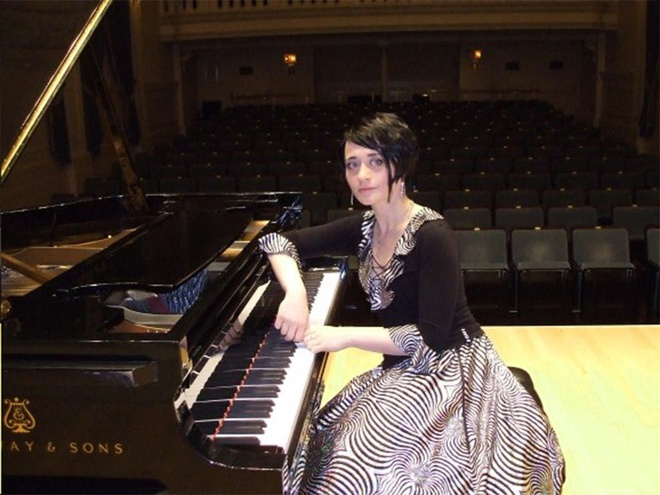
Natalia Strelchenko (Norway) suffered a tragic fate due to her abusive and jealous husband. A piano prodigy, Strelchenko debuted at the age of 12 and quickly rose to international fame. In 2007, Strelchenko met John Martin while performing together. After Strelchenko divorced and Martin left his second wife, they married and lived in Manchester, England. Their marriage was not happy. Martin became violent, wanting his wife to give up her career and focus on housework. Two years after their marriage, he murdered her. (Photo: Nataliastrelchenko)

Walter Pitts was born in 1923 into a poor family in Detroit, Michigan, USA. As a child, Pitts was frequently beaten. His parents also forced him to drop out of school to work and earn money. Pitts often hid in the nearby library. By the age of 12, the prodigy had taught himself Greek, Latin, mathematics, and logic. Although he did not graduate from high school, in 1943, Walter Pitts received his doctorate from MIT. His ideas on cybernetics and artificial intelligence ushered in the computer age. However, his ideas about the human brain and thinking that could be explained by pure logic were largely rejected. Pitts became an alcoholic and died of cirrhosis in 1969. (Image: Science Photo Library)

Sergey Reznichenko began learning to read at the age of two. At 13, the prodigy became famous when he appeared on the Russian version of the reality show Brainiest Kid. It seemed Reznichenko was talented in every field. The child prodigy wrote poetry, excelled in mathematics and science, and studied economics at Zaporizhzhya National University (Ukraine) at the young age of 15. But things weren't so perfect. Reznichenko's mother was reportedly a member of an extremist cult, separating him from his peers. After escaping his mother at university, Reznichenko began using stimulants and immersing himself in the virtual world. In 2011, the prodigy became depressed, increasingly delusional, believing himself to be a god, before jumping from a window and committing suicide. (Image: Listverse)
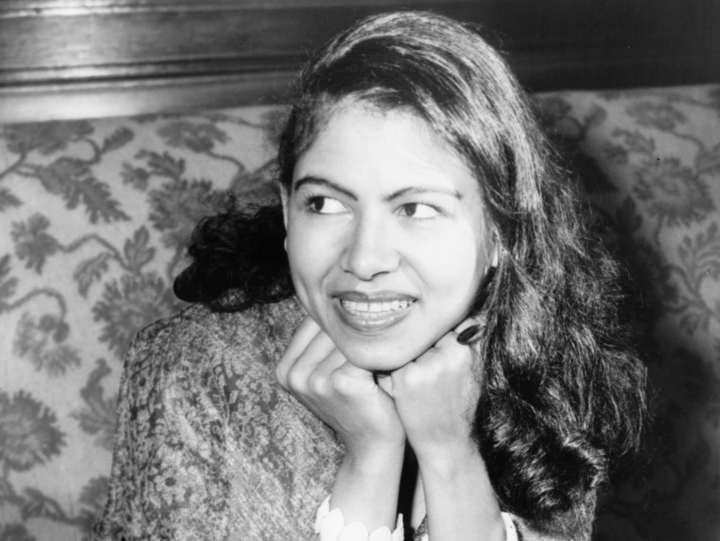
Philippa Schuyler (USA), born in 1931, was a child prodigy at age four who could play Mozart and had an IQ of 180. However, her talent quickly led to tragedy. Her mother frequently beat her and prevented her from playing with others to focus on her training. She was highly regarded by critics worldwide. However, being born into a family with a white mother and a black father hampered Schuyler's musical career. Racial prejudice prevented her from revealing her true identity. Later, Schuyler gave up piano, became a journalist, and died in a helicopter accident. (Image: Wikimedia)
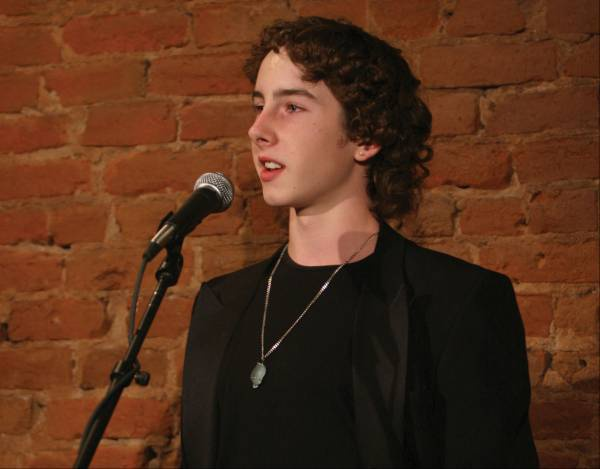
Brandenn Bremmer could read at just 18 months old. At 3, he could play the piano. At 10, Bremmer graduated from high school and entered college at 11. The intelligence and musical talent of this American prodigy impressed many. But in 2005, while studying to become an anesthesiologist, Brandenn Bremmer died in his room from a self-inflicted gunshot wound. Many believed he committed suicide. But his family said Bremmer had always been cheerful. “We always believed he could listen to the wishes of others. He left to save them,” the prodigy’s mother said about her son’s wish to donate his organs. Bremmer’s organs were subsequently transplanted to those in need. (Image: Gcpawards)
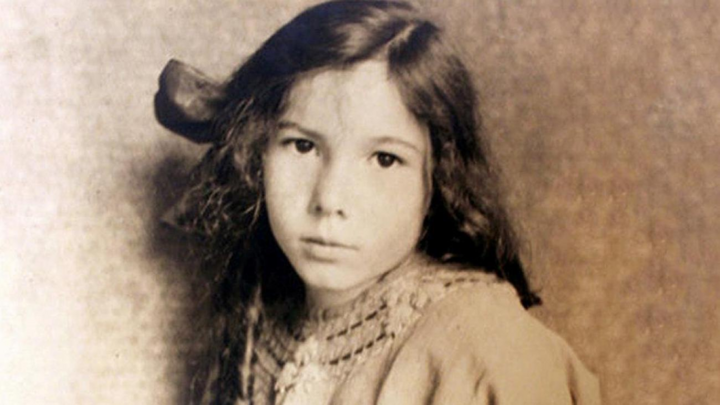
Barbara Newhall Follett (USA) developed a passion for writing at the age of 3. At 12, Follett completed *The House Without Windows*. The book was published and immediately became a bestseller. After her parents divorced, the prodigy lived in poverty. She continued writing and then married. At 25, she argued with her husband and left in the middle of the night. Since then, no one has seen or heard from her. (Photo: Welt)
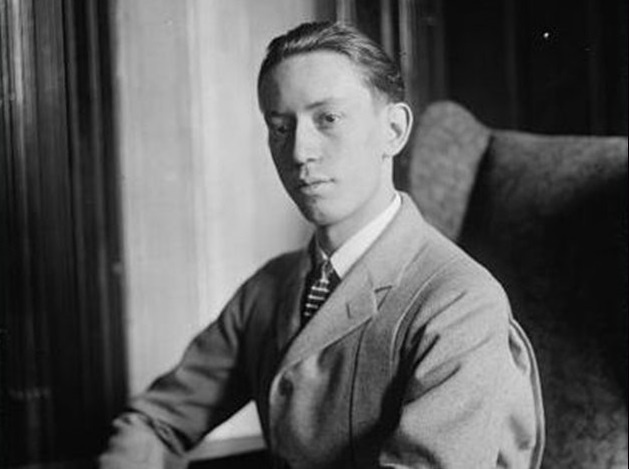
Ervin Nyiregyhazi was born in 1903 in Budapest, Hungary, into a family with a philandering father who died young and an overbearing mother who only knew how to exploit her son's talent. At the age of three, Nyiregyhazi performed at Buckingham Palace and other royal residences. At 17, he moved to the United States, beginning a series of tragic events marked by repeated failures and stage fright. He married ten times before his death in 1987. (Photo: Virtuosobefore1950)

At the age of 11, the mother of British prodigy Peaches Geldof died from a drug overdose. This foreshadowed the tragedy of Geldof's life. She achieved early success, beginning writing for Elle magazine at 15. By 16, the prodigy was a writer for The Guardian and The Telegraph, working for television, modeling, and launching her own fashion line. However, Geldof also became addicted to drugs early on and underwent rehabilitation. At 25, Geldof relapsed and died from a drug overdose. (Photo: AP)
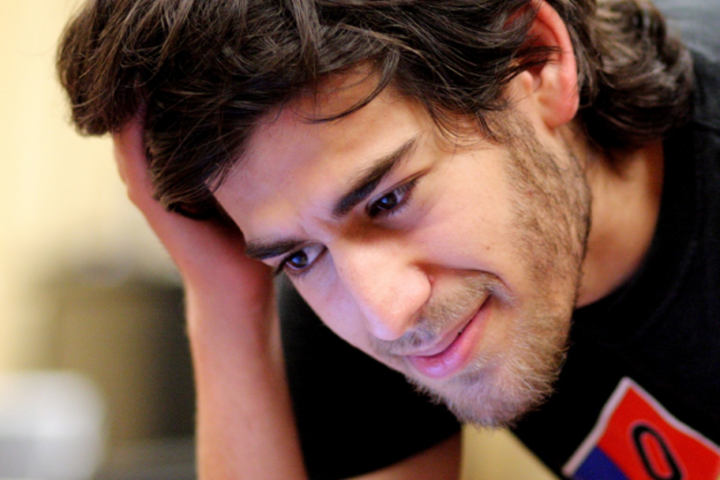
At age 14, Aaron Swartz created the basic RSS tool, allowing users to register information online. The American computer prodigy, born in 1986, was considered a key figure in the early days of the internet. However, this prodigy also enjoyed hacking into systems, stealing information, and posting it publicly. Swartz once hacked JSTOR, releasing 4,8 million documents, and was prosecuted by federal authorities in 2011. His family believes depression was the cause of his actions. (Image: Rollingstone)

 Comment