


 Hotline: 0855.911.911
  RSS
RSS 





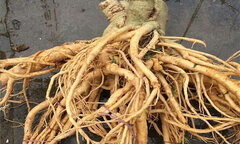
According to information shared by traditional medicine practitioner Bui Dac Sang (Vietnam Academy of Science and Technology, Hanoi Traditional Medicine Association) on... VietnamnetGinseng is considered the "ginseng of the poor" because of its health benefits.
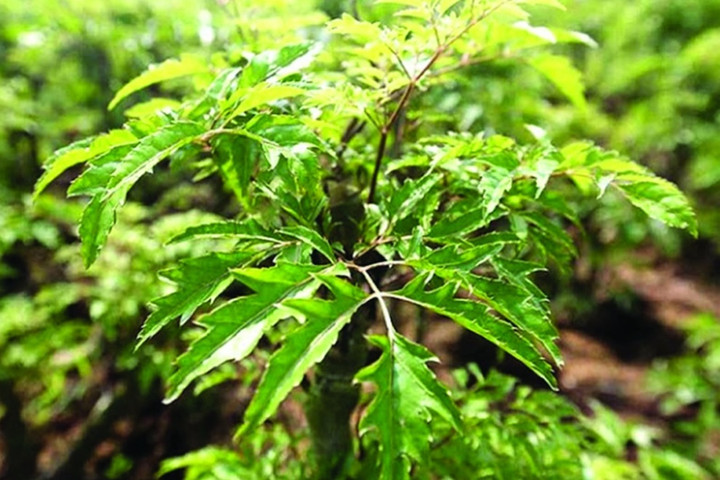
Is the Gynura procumbens plant easy to grow?
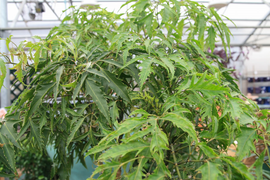
The leaves of the Aralia plant can be used as a spice in many dishes, adding a distinctive flavor and nutritional value. Other parts of the plant, such as the roots, stems, and leaves, can also be used medicinally to help treat various ailments. Knowing these benefits, many people wonder if Aralia is easy to grow in their home gardens so they can have it readily available when needed.
Is the Gynura procumbens plant easy to grow?
In fact, the Gynura procumbens plant is quite easy to grow and care for. As long as the basic conditions of soil, light, and water are ensured, the plant will thrive.
The Aralia plant is not picky about soil and can grow well in many different types of soil, as long as the soil is loose, has sufficient nutrients, and drains well. This makes choosing soil for Aralia simpler than for many other plant species.
The Aralia plant thrives in a variety of light conditions, from strong sunlight to partial shade. However, for optimal growth, it should be placed in a location with moderate light, not too intense.
Regular watering to maintain soil moisture also helps plants grow better, but it's important to avoid overwatering. Adjust the amount of water according to weather conditions and the growing environment to help plants thrive.
Regular pruning to remove dry and damaged branches and leaves also helps keep the plant in optimal condition. In addition, protecting the plant from pests and insects is an important part of caring for the plant, helping it to grow more easily.
How to grow ginseng
Growing the Gynura procumbens plant isn't too complicated; you'll need to prepare the following:
- Seedling: Select branches of the *Tinospora cordifolia* plant from trees that are at least two years old and free from pests and diseases. Choose healthy branches that look normal and show no signs of overgrowth or damage.
- Soil for cultivation: The Gynura procumbens plant prefers loose, nutrient-rich soil with good drainage. You can use organic-rich potting soil or mix soil with manure to provide nutrients for the plant.
- Planting pot: Choose a pot that is the right size for your plant and has drainage holes at the bottom to prevent waterlogging.
- Fertilizer: Before planting, it is necessary to fertilize the soil with manure or NPK fertilizer to provide nutrients for the plants during the initial stage.
After preparing all the necessary conditions, you can proceed to plant the Gynura procumbens plant following these steps:
- Propagation by cuttings: Place the cuttings in the prepared, loose soil in the pot. Ensure that the roots and main branches of the plant are positioned straight and evenly covered with soil.
- Fertilizing and watering: Add another layer of fertilizer and water lightly to keep the soil moist. Then, you can cover it with a layer of straw or water hyacinth to retain moisture for the plant.
- Post-planting care: Monitor the plant and ensure the soil maintains moderate moisture levels; avoid overwatering to prevent damage to the plant's root structure.
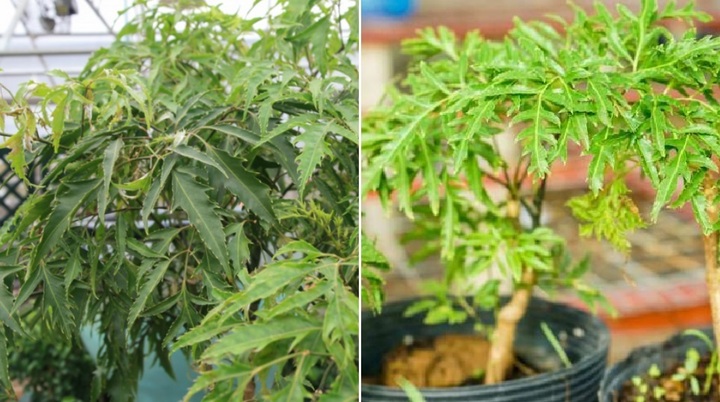
The Gynura procumbens plant is easy to grow and care for.
Once the plant has grown, you need to care for it properly to ensure its health and growth; pay attention to soil moisture and nutrients. The plant prefers moist but not waterlogged soil. Water regularly and avoid letting the soil dry out for extended periods; fertilize regularly with organic fertilizer or NPK fertilizer; avoid using pesticides.
You need to regularly check and care for your plants to ensure they grow strong and are not attacked by pests or diseases.
The harvesting time for the Gynura procumbens plant is usually 2 to 3 years after planting. When the young leaves have grown evenly and the plant looks healthy, you can harvest the leaves for medicinal or spice purposes.
Uses of the Gynura procumbens plant in daily life
Here are some common uses of the Gynura procumbens plant:
- As a spice and raw vegetable: The leaves of the Aralia plant have a distinctive aroma and a sweet, slightly spicy taste. They are often used as a spice in many dishes, as a raw vegetable in salads and other dishes, or as a side dish in fermented pork rolls (nem chua). This is a creative way to add nutrition to daily meals.
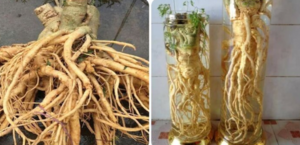
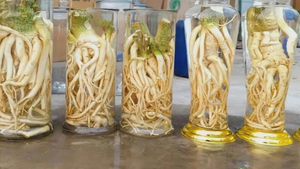
- Medicinal uses: The Aralia plant is considered a valuable medicinal herb in folk medicine. It possesses valuable properties similar to ginseng but is easy to grow and find; anyone can cultivate it to harvest its roots for medicinal purposes. The leaves and roots of Aralia are used to treat many ailments such as skin diseases, bone and joint diseases, or simply as a tonic for the body.
- Decoration and Feng Shui: The Aralia plant is also used to decorate home gardens, bringing a cool and fresh green space. According to Feng Shui beliefs, the Aralia plant also has the ability to ward off evil spirits, bringing good luck and wealth to the homeowner.
 Comment