


 Hotline: 0855.911.911
  RSS
RSS 





Hiện tại, hầu hết các mẫu xe ô tô trên thế giới đều sử dụng cột lái tự đổ thay vì cột lái thông thường. Cột lái tự đổ được tạo ra nhằm làm giảm nguy cơ chấn thương cho người lái trong trường hợp xảy ra va chạm trực diện.
Collapsible steering columns are one of the 10 most important safety technologies in cars, alongside familiar features such as disc brakes, safety glass, ABS braking system, airbags, seat belts, etc.
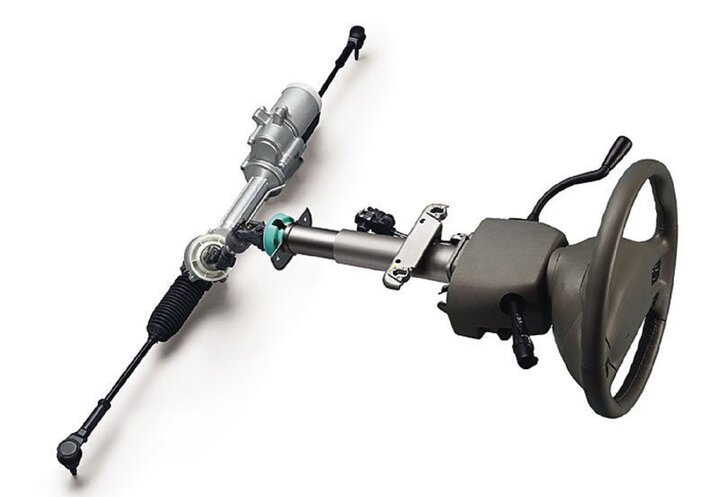
Cột lái tự đổ. (Ảnh minh họa).
The function of the steering column is to transmit the movement of the steering wheel to the wheels. Older cars used solid, cylindrical steering columns. Although these columns function well, they pose a danger to the driver. In the event of a serious head-on collision, a solid steering column can cause head and rib injuries, increasing the severity of the injury. To avoid this situation, engineers created collapsible steering columns to eliminate the limitations of the old steering column.
Since 1968, the US government has required all automakers to use collapsible steering columns in their vehicles. In 1994, collapsible steering columns were also used in Formula 1 racing cars. Currently, almost all car models utilize collapsible steering column safety technology.

The collapsible steering column was designed to ensure driver safety. (Illustrative image).
Essentially, the collapsible steering column has a tube-in-tube structure instead of the solid cylinder shape of the old steering column. Two hollow cylinders are nested together and connected by a special joint. In the event of a collision, this joint is activated to retract the steering column, preventing it from striking the occupants. Additionally, another joint is fitted to separate the retraction movement of the steering column from the steering wheel. This helps the steering wheel maintain its position so that the airbag located on the steering wheel can deploy.




 Comment