


 Hotline: 0855.911.911
  RSS
RSS 





Lotus is a valuable plant with almost all its parts useful. Besides the lotus root, lotus stem, lotus seeds, and lotus leaves, all are precious medicinal ingredients with many health benefits. Lotus leaves, in particular, are not only used in traditional medicine as a valuable remedy for various ailments and to improve overall health, but also play a unique role in culinary culture. So, what are the benefits of lotus leaves?
The uses of lotus leaves in Vietnamese cuisine
With its refreshing green color and delicate, subtle fragrance, lotus leaves are present in Vietnamese cuisine in both a rustic and sophisticated way, used to wrap dishes made from glutinous rice such as sticky rice, young rice flakes, and many other prepared dishes.
While Vietnamese people typically use banana or coconut leaves to wrap food, using lotus leaves demonstrates meticulousness, reflecting the chef's desire to enhance the culinary experience for diners. Dishes embraced by lotus leaves always possess a uniquely delicate flavor, making each bite precious.
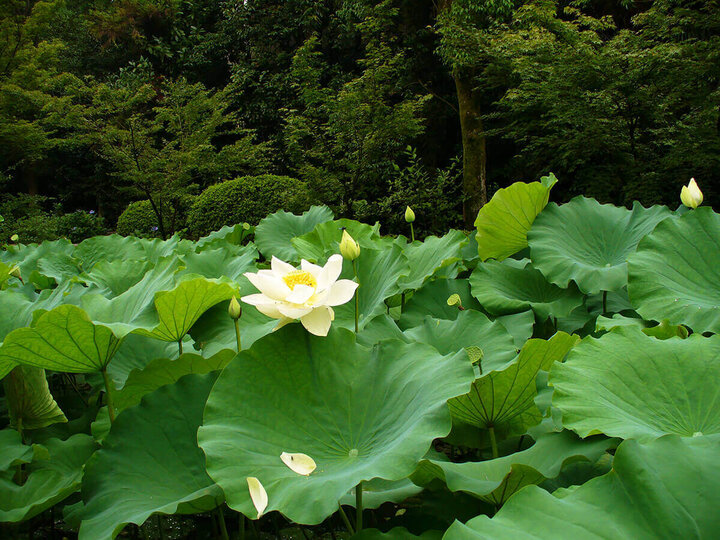
What are the benefits of lotus leaves? (Photo: Frontiers)
Some dishes that use lotus leaves include:
- Sticky rice with young rice flakes wrapped in lotus leaves: This signature dish of Hanoi's autumn is made from young rice flakes, lotus seeds or mung beans, and a few strands of shredded coconut, with a mild, sweet, and fragrant flavor. Authentic sticky rice with young rice flakes should be wrapped in lotus leaves; the delicate aroma of the young rice flakes and lotus leaves blends and complements each other, creating an unforgettable experience for those who enjoy it.
Besides sticky rice with young rice flakes, lotus leaves are also indispensable for wrapping sticky rice flakes when selling them to consumers. Many people also use lotus leaves to wrap other types of sticky rice to enhance the flavor of the dish.
- Lotus leaf rice: This is a famous Hue royal cuisine dish known for its sophistication and elegance. Lotus rice is cooked with the finest fragrant sticky rice and aromatic lotus seeds, placed inside a lotus flower, and then wrapped in lotus leaves.
- Lotus tea: Tea is placed inside a lotus flower, absorbing the pure fragrance from the pistil. After being wrapped in petals, it is further encased in lotus leaves. This is a precious gift of summer.
What are the health benefits of lotus leaves?
As a valuable herb, lotus leaves offer the following health benefits. Please note that this information is for reference only; consult a doctor before applying any of these benefits. Incorrect use or use that is unsuitable for your body condition may cause adverse reactions.
Supports weight loss and regulates blood lipid levels.
Lotus leaves contain many compounds that can inhibit the absorption of fat and carbohydrates in the body, including flavonoids, quercetin, and isoquercetin. These help reduce fat accumulation, especially in the abdominal area.
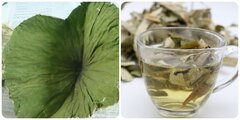
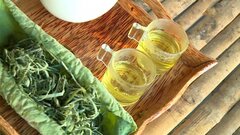
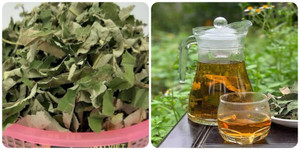
Regularly drinking lotus leaf tea not only helps with weight loss but also helps lower bad cholesterol (LDL) in the blood, thereby preventing the risk of cardiovascular diseases such as atherosclerosis, stroke, and heart attack. To use, steep dried lotus leaves in water and drink daily, or combine with other herbs such as licorice and Sophora japonica to enhance its effects.
Supports treatment of insomnia.
Lotus leaves have a calming effect, helping to reduce stress and anxiety and supporting the treatment of insomnia. In traditional medicine, lotus leaves are used as a natural method to balance mood, soothe the nervous system, and improve sleep quality. The alkaloid compounds in lotus leaves, especially nuciferin, have a mild sedative effect.
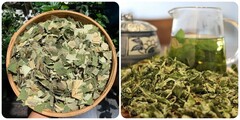
How to use lotus leaves to treat insomnia: Steep 20-30 grams of dried lotus leaves in boiling water for 10-15 minutes, then drink it in the evening. Lotus leaf tea not only helps you fall asleep more easily but also improves sleep quality, leaving you feeling more alert and clear-minded the next day.
Cools the body and detoxifies.
Lotus leaves have a cooling nature and a bitter taste, and are commonly used in traditional medicine to clear heat and detoxify the body. The compounds in lotus leaves can stimulate the digestive system, enhance liver and kidney function, and help the body effectively eliminate toxins.
During hot summer days, drinking lotus leaf tea can help cool the body, reducing feelings of heat and fatigue.
Support for diabetes treatment
Supporting the treatment of diabetes is also one of the benefits of lotus leaves. The compounds in lotus leaves have the ability to lower blood sugar, improve insulin sensitivity, and prevent complications related to diabetes.
Regular consumption of lotus leaf tea may help control blood sugar levels in people with diabetes, especially type 2 diabetes.
Improve digestion
Lotus leaves have a noticeable effect on the digestive system. Thanks to their cooling properties, lotus leaves help soothe symptoms of indigestion, bloating, and abdominal distension. In addition, lotus leaves can stimulate digestion, helping the digestive system function more efficiently, thereby improving nutrient absorption and reducing constipation.
Some people use lotus leaves in combination with other herbs such as grapefruit peel and licorice to create a very effective remedy to aid digestion.
Support for treating menorrhagia
The cooling and hemostatic properties of lotus leaves help reduce prolonged bleeding and regulate the menstrual cycle. In traditional medicine, lotus leaves are often used in combination with other herbs such as Eclipta prostrata and Imperata cylindrica roots to treat menstrual-related ailments.
Cancer prevention
Several studies indicate that lotus leaves contain many antioxidants, which help protect the body from harmful free radicals, thereby reducing the risk of cancer. Compounds such as flavonoids and quercetin in lotus leaves have been shown to inhibit the growth of cancer cells, especially lung and liver cancer.
 Comment