


 Hotline: 0855.911.911
  RSS
RSS 





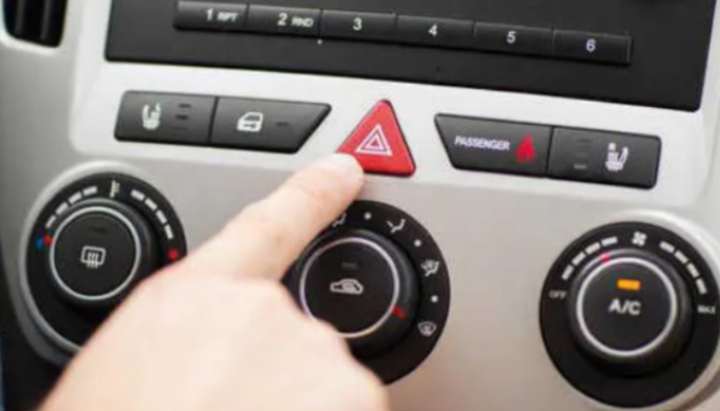
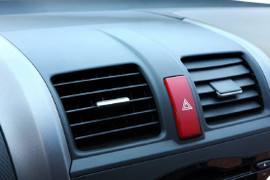
Emergency lights, also known as hazard warning lights, are used in situations where it is necessary to warn other vehicles of danger.
Emergency lights are an important type of lighting on a car, used to warn of emergency situations. The design includes four amber-yellow bulbs, installed at the two front and two rear corners of the vehicle. The lights are designed to flash continuously, aiming to attract the attention of other vehicles and pedestrians.
Emergency lights are extremely important for ensuring traffic safety when a vehicle breaks down and has to stop or park on the road. Turning on the emergency lights signals to other drivers that the vehicle is experiencing a problem and needs attention.
Illustration
Should you turn on your hazard lights when reversing?
Article 16 of the 2008 Road Traffic Law stipulates as follows:
Article 16. Reversing a vehicle:
When reversing, the driver must observe the rear, give the necessary signals, and only reverse when it is safe to do so.
"Reversing is prohibited in areas where stopping is prohibited, on pedestrian crossings, at intersections, at level crossings with railways, where visibility is obstructed, in road tunnels, and on highways."
According to this regulation, when reversing, the driver must give the necessary signal to indicate reversing. However, Decree 100/2019 stipulates that when reversing, the driver must give a warning signal beforehand.
Thus, the regulations are consistent in that when reversing, the driver must give a warning signal to alert those around them, thus avoiding potential collisions.
However, currently, neither the Road Traffic Law nor Decree 100/2019 and related legal documents define what constitutes a warning signal or a necessary signal. The use of emergency lights is entirely based on the instructions of the vehicle manufacturers.
Specifically, hazard lights should only be used when the vehicle breaks down while moving or parked on the road. Drivers need to turn on hazard lights so that other drivers notice and proactively avoid the vehicle to prevent collisions.
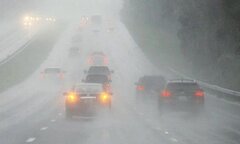
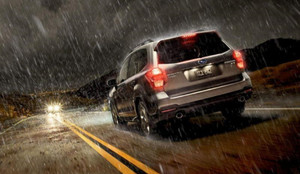
In addition, emergency lights also help attract the attention and assistance of other drivers or pedestrians when the vehicle malfunctions while in motion. This is especially important when driving in bad weather such as heavy rain or dense fog, which can severely limit the driver's visibility.
Another situation where hazard lights should be used is when driving slowly through an accident area or transporting someone to the hospital for emergency treatment.
With the above information, drivers should consider using the emergency warning lights correctly according to the circumstances. Drivers can also turn on emergency lights when reversing to signal for help and ensure traffic safety, especially in difficult reversing situations with a high risk of collision. Turning on emergency lights can alert other drivers and encourage them to yield the right of way.
 Comment