



 Hotline: 0855.911.911
  RSS
RSS 





Khi nói đến tháng 12, chúng ta thường phải ghi rõ là tháng 12 Âm lịch hay Dương lịch nhưng nếu nói đến tháng Chạp thì điều này không cần thiết. Tháng Chạp tuy là cách gọi khác của tháng 12 nhưng chỉ áp dụng cho năm Âm lịch mà thôi.
What is the twelfth lunar month?
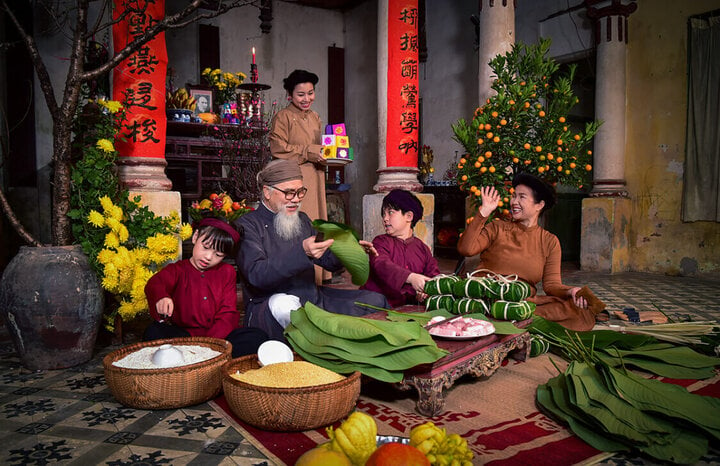
Tháng Chạp là một cách gọi tháng 12 Âm lịch, khoảng thời gian mọi người tất bật để chuẩn bị tiễn năm cũ và đón năm mới. Vậy tháng Chạp là gì? (Ảnh: Homemy)
The word "chạp" is a phonetic variation of the Chinese word "lạp". The end-of-year rituals of the ancient Chinese were called Lạp, hence the last month of the year was called Lạp month. This was the time when families visited and cleaned their ancestors' graves in preparation for the Lunar New Year.
"Lạp" in Chinese also means the year-end ceremony, which is also related to the custom mentioned above.
The term "Lạp nguyệt" (literally "December Month") is derived from the Vietnamese phonetic structure and phonetic changes to become "Tháng Chạp," another way of referring to the last month of the lunar year. This is also a month with many rituals and ceremonies, hence the term "Giỗ Chạp" (ancestor worship).
Regarding the question "What is the twelfth lunar month?", there is another explanation: The word "lạp" in Chinese also means meat. In the last month of the year, people tend to stockpile food to cope with the cold weather and prepare for the Lunar New Year, with meat being the most prized item.
The twelfth lunar month is very important to Vietnamese people, as it is a time when people pay respects to their ancestors, visiting and caring for family graves. In terms of work, it is also the deadline for completing annual plans, preparing to bid farewell to the old year, and resolving troubles, misfortunes, and annoyances in the hope of welcoming a prosperous new year.
3 lễ cúng quan trọng trong tháng Chạp
Tháng 12 Âm lịch là tháng có nhiều lễ cúng nhất trong năm, bao gồm: Lễ cúng mùng 1, ngày rằm, cúng tiễn ông Táo chầu trời (23 tháng Chạp), cúng tất niên (thường vào chiều 30 Tết hoặc các ngày trước đó). Trong đó, 3 lễ cúng quan trọng nhất là:
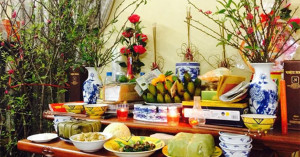
The offering ceremony on the 15th day of the 12th lunar month.
Lễ cúng rằm tháng Chạp có thể bao gồm cả mâm cỗ chay và mâm cỗ mặn, hoặc chỉ một trong 2 loại cỗ này, tùy theo tập tục của mỗi địa phương hay truyền thống của mỗi gia đình.
A vegetarian offering tray includes: candles or lamps, incense, clean water, betel nuts and leaves, fruit, and fresh flowers.
A savory feast typically includes: boiled chicken (preferably a rooster), sticky rice with beans or gac fruit, vermicelli soup, pork sausage or meatballs, stir-fried dishes (such as stir-fried beef or stir-fried chicken offal with bean sprouts), and rice wine. Other dishes may also be included.
The ceremony of worshiping the Kitchen God and the Stove God.
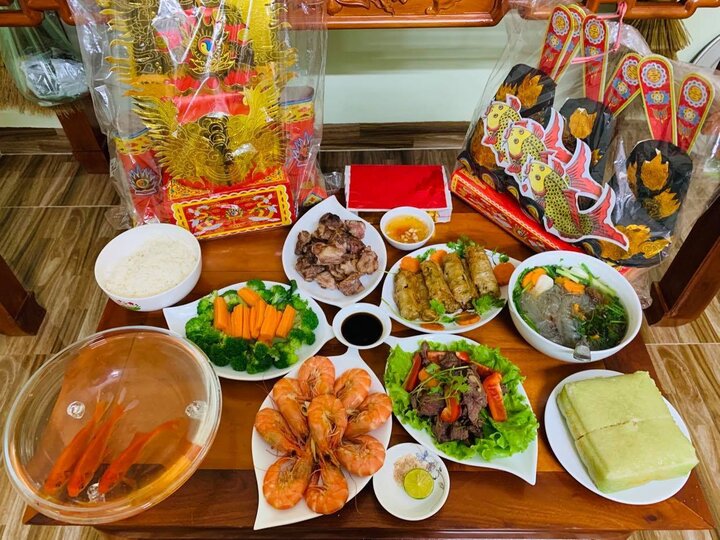
Lễ cúng ông Táo cần phải được tiến hành trước 12h ngày 23 tháng Chạp. (Ảnh: infonet.vn)
Lễ cúng ông Táo cần phải được tiến hành trước khi Táo quân bay về trời, tức là trước 12h ngày 23 tháng Chạp.
The offerings include three carp and a set of hats and robes; the Kitchen God's hats consist of two hats for the male deity and one for the female deity. The hat for the female deity does not need dragonfly wings, but the hat for the male deity needs two dragonfly wings. The votive offerings will be burned after the ceremony on the 23rd day of the 12th lunar month.
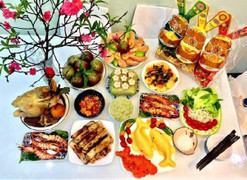
The offering tray for the Kitchen God and Stove God usually includes: 1 plate of rice, 1 plate of salt, 5 grams of boiled pork shoulder, 1 bowl of meatball soup, 1 plate of mixed stir-fry, 1 plate of pork sausage, 1 plate of gac fruit sticky rice, 1 plate of sweet soup, 1 plate of fruit, 1 pot of lotus tea, 3 cups of wine, betel nuts and leaves, and flowers.
Year-End Ceremony
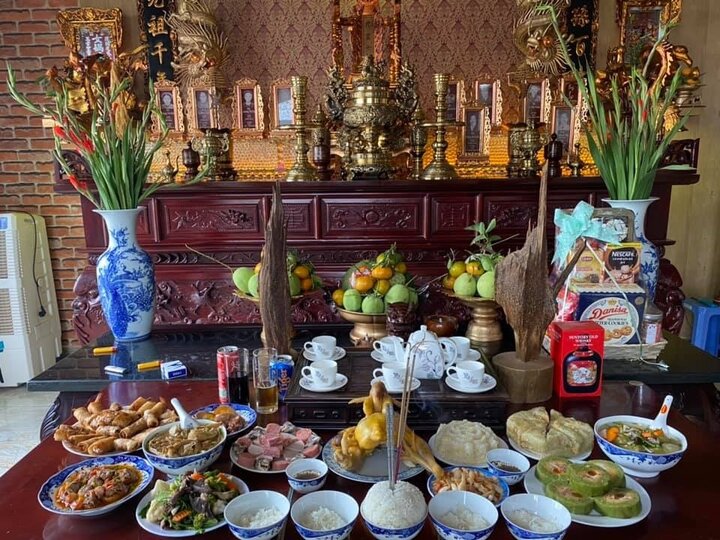
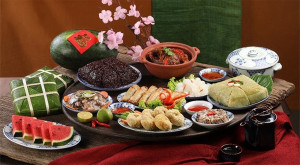
Lễ cúng tất niên thường là để mời ông bà, tổ tiên và những người đã khuất trong gia tộc về ăn tết. (Ảnh: VnFinance)
Lễ cúng Tất niên nhằm mời ông bà, tổ tiên và những người đã khuất trong gia tộc cùng về ăn Tết. Đây cũng là dịp để các thành viên trong gia đình đoàn tụ. Do đó, mâm cúng Tất niên thường được các gia đình làm rất thịnh soạn, có nhiều món đặc trưng của vùng miền, địa phương.
For example, in the North, there are often banh chung (sticky rice cake), gio (pork sausage), pork knuckle soup with bamboo shoots, chicken offal vermicelli, stir-fried gio... In the Central region, there are often banh tet (cylindrical sticky rice cake), gio lua (pork sausage), chicken salad with perilla leaves... In the South, there are often bamboo shoot soup, shrimp and pork salad, braised pork... In addition, the offering ceremony also includes a tray of five fruits, incense, flowers, votive paper money, betel nuts, wine, tea, candles...
Ngoài các lễ trên, lễ cúng Giao thừa vào khoảnh khắc tiếp nối của năm cũ và năm mới nên có thể tính vào tháng Chạp hoặc tháng Giêng, tuy nhiên việc chuẩn bị cũng phải hoàn tất trong tháng Chạp.
 Comment