



 Hotline: 0855.911.911
  RSS
RSS 





You should pay attention to adding these foods to your diet because they are very good for your eyes:
Red bell peppers
Bell peppers provide the most vitamin C per calorie. This is good for the blood vessels in the eyes. Science shows that vitamin C may reduce the risk of cataracts. It is found in many vegetables and fruits, including bok choy, cauliflower, papaya, and strawberries. Because high temperatures break down vitamin C, eat them raw whenever possible. Brightly colored peppers also contain plenty of vitamins A and E.
Sunflower seeds and other hard-shelled nuts
One ounce (about 28 grams) of sunflower seeds or almonds can provide half the daily recommended amount of vitamin E for adults according to the USDA (United States Department of Agriculture). A new study suggests that vitamin E, along with other nutrients, may help slow age-related macular degeneration (AMD). It may also help prevent cataracts. Peanuts (or other legumes) and peanut butter are also good sources of vitamin E.
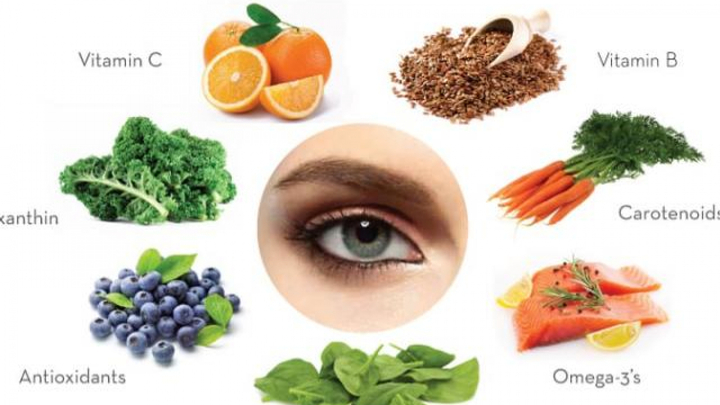
Foods that are good for your eyes. (Illustrative image)
dark green vegetables
Kale and spinach are rich in vitamins C and E. They also contain the carotenoids lutein and zeaxanthin. These plant-based forms of vitamin A help reduce the risk of long-term eye diseases, including macular degeneration and cataracts. Most people on restrictive diets don't get enough of these nutrients, so it's important to note that.
Salmon
The retina needs two types of omega-3 fatty acids, DHA and EPA, to function properly. You can find them in fatty fish such as salmon, tuna, and trout, and other seafood. Omega-3s also appear to protect the eyes from AMD and glaucoma. Low levels of these fatty acids are associated with dry eyes.
Sweet potato
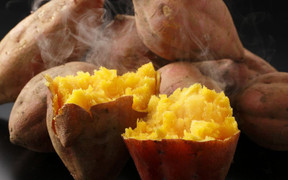
Orange-colored vegetables and fruits—such as sweet potatoes, carrots, cantaloupe, mangoes, and apricots—are rich in beta-carotene, a form of vitamin A that helps regulate night vision. A sweet potato also contains more than half of a day's recommended amount of vitamin C and a small amount of vitamin E.
Lean meat and poultry
Zinc carries vitamin A from the liver to the retina, where it is used to create the protective pigment melanin. Beef, pork, and chicken (both thigh and breast) are all good sources.
Beans and legumes
These beans are suitable for vegetarians, being low in fat and high in fiber. They help keep your eyesight sharp at night and slow down the progression of AMD. Green beans and black beans are also rich in zinc.
Egg
The zinc in eggs helps the body utilize lutein and zeaxanthin, which are beneficial for the eyes. The orange-yellow color of these compounds blocks harmful blue light from damaging your retina. They help boost the amount of protective pigment in the macula, the central vision control center of your eye.
Squash
Your body can't produce enough lutein and zeaxanthin, so you need to get them from squash. Summer squash also contains vitamin C and zinc. Winter squash will provide you with vitamins A and C, as well as omega-3 fatty acids.
Broccoli
These vegetables are often packed with nutrients like vitamin A (such as lutein, zeaxanthin, and beta-carotene), vitamin C, and vitamin E. All of these are antioxidants that protect the cells in the eye from free radicals, a type of unstable molecule that breaks down healthy tissue.
 Comment