


 Hotline: 0855.911.911
  RSS
RSS 





Black beans have long been known as a healthy grain. However, not everyone can eat black beans. Below are the benefits of black beans and who should not eat them.
Nutritional composition and benefits of black beans
An article on the Vinmec General Hospital website indicates that the nutritional content of half a cup (86g) of cooked black beans contains approximately:
- Energy: 114 kilocalories
- Protein: 7,62g
- Fat: 0,46g
- Carbohydrate: 20,39 g
- Fibre: 7,5g
- Sugar: 0,28 g
- Calcium: 23 mg
- Iron: 1,81 mg
- Magnesium: 60 mg
- Phosphorus: 120 mg
- Potassium: 305 mg
- Sodium: 1 mg
- Zinc: 0,96 mg
- Thiamin: 0,21 mg
- Niacin: 0,434 mg
- Folate: 128 mg
- Vitamin K: 2,8 mg
Black beans also provide a variety of phytonutrients such as saponins, anthocyanins, kaempferol, and quercetin, all of which have antioxidant properties.
Like many other legumes, black beans contain starch, a complex carbohydrate. Starch acts as a slow-burning energy reserve, so it is digested slowly by the body, preventing sudden spikes in blood sugar levels.
Here are some of the health benefits of black beans:
Maintain healthy bones
Black beans are a nutritious food rich in protein and fiber. In addition, the phosphorus, iron, calcium, magnesium, manganese, copper, and zinc compounds in black beans all contribute to building and maintaining bone structure and strength.
Calcium and phosphorus are crucial components in bone structure, while iron and zinc play vital roles in maintaining bone strength as well as the elasticity of bones and joints.
Recommended nutritional requirements: Approximately 99% of the body's calcium, 60% of magnesium, and 80% of phosphorus reserves are stored in the bones. Therefore, to prevent certain bone and joint diseases, it is advisable to regularly drink plenty of roasted black bean water.
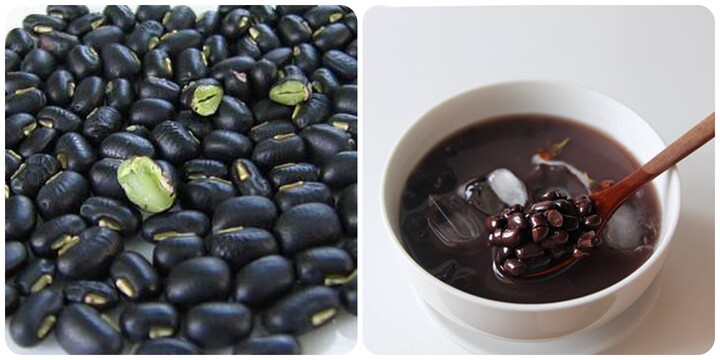
Black beans are good for your health, but not everyone can eat them.
Lowering blood pressure
Maintaining low sodium levels in the blood is essential for keeping blood pressure at a normal level. Black beans are naturally low in sodium and contain potassium, calcium, and magnesium, all of which help lower blood pressure naturally.
Diabetes management
Some studies have found that people with type 1 diabetes who eat a high-fiber diet have lower blood sugar levels. Additionally, people with type 2 diabetes may see improvements in blood sugar, lipid, and insulin levels. One cup, or 172 grams, of cooked black beans contributes 15 grams of fiber.
The U.S. Food and Drug Administration (FDA) recommends 25 grams of fiber per day based on a 2.000-calorie diet. This can vary depending on total calorie intake.
Preventing cancer
Selenium is a mineral absent from most fruits and vegetables, but it can also be found in black beans. Selenium plays a role in liver enzyme function and helps detoxify certain carcinogenic compounds in the body. Additionally, selenium may have anti-inflammatory effects and reduce tumor growth rates.
Saponin compounds help prevent cancer cells from multiplying and spreading throughout the body. Furthermore, consuming fiber from fruits and vegetables such as black beans has been linked to a reduced risk of colorectal cancer.
Black beans are rich in folate. This compound plays a role in DNA synthesis and repair, thus preventing the formation of cancer cells caused by DNA mutations.
Healthy digestion
Due to their fiber content, black beans help prevent constipation and promote a healthy digestive system. The fiber from black beans also fuels healthy bacteria in the colon.
Who should avoid eating black beans?
Although black beans offer many health benefits, not everyone can eat them. According to Vietnamnet, Dr. Huynh Tan Vu, a specialist in Traditional Medicine and lecturer at the Ho Chi Minh City University of Medicine and Pharmacy, listed the groups of people who are advised not to consume black beans, or who should consult a doctor if they wish to use them:
First,People with kidney disease: Black bean water has a diuretic effect, therefore people with kidney disease should use it with caution.
Monday,For people taking mineral supplements: Black bean water contains phytates, which affect the body's ability to absorb these substances. Phytates hinder the absorption of minerals such as iron, zinc, copper, and phosphorus.
Therefore, you should not use black bean water to take medications containing iron, zinc, calcium, copper, or calcium, or consume foods containing these substances… as this can lead to anemia and osteoporosis. Ideally, there should be a 4-hour gap between consuming black beans and other foods.
Tuesday,People with colitis, loose stools, diarrhea, or poor digestion should not consume black beans. If you want to drink black bean tea, you should roast them and use them in small quantities.
Wednesday,For young children and the elderly, due to the high protein content in black beans, it can be difficult for them to fully digest the protein, easily leading to digestive problems, bloating, and stomach pain.
The above are the groups of people who are advised not to consume black beans. If you belong to any of these groups, please stay away from this grain.


 Comment