


 Hotline: 0855.911.911
  RSS
RSS 





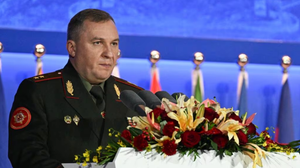
Belarusian Defense Minister Viktor Khrenin said that a unit of Iskander short-range missiles and a squadron of Su-25 fighter jets would participate in the exercise.
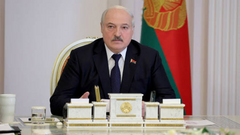
Belarusian President Alexander Lukashenko called the exercises "purely defensive," arguing that the presence of Russian nuclear weapons in the country is intended to deter any potential aggression against Belarus.This is a deterrent weapon, a defensive weapon." Lukashenko said.
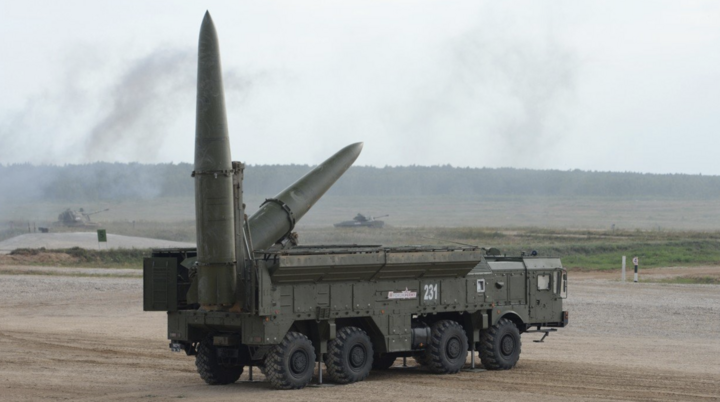
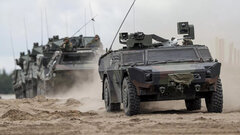
Belarus began nuclear exercises after Russia announced plans to hold similar drills. (Photo: RIA Novosti)
The Belarusian leader said the exercises would include transporting tactical nuclear weapons from storage to military units, where they would be mounted on missiles and fighter jets. He said the missile units would simulate a response to an attack on Belarus.
Belarus's drills began a day after Russia announced plans to hold similar exercises, simulating the use of nuclear weapons on the battlefield, in response to statements from Western officials about the possibility of deeper involvement in the war in Ukraine.
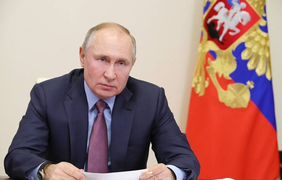
Belarus's nuclear drills took place as Russian President Vladimir Putin was inaugurated for his fifth term on May 7, pledging to guarantee Russia's robust security.
Last year, Russia transferred some tactical nuclear weapons to Belarus – a country bordering Ukraine and NATO members Poland, Latvia, and Lithuania. Moscow insists that the tactical nuclear weapons deployed to Belarus remain under the control of the Russian military.
Unlike intercontinental ballistic missiles carrying nuclear warheads that can destroy entire cities, tactical nuclear weapons are used on the battlefield. Such weapons include airdrop bombs, warheads for short-range missiles, and artillery shells.
The deployment of tactical nuclear weapons to Belarus – a country with a 1.084km border with Ukraine – would allow Russian aircraft and missiles to reach potential targets in Ukraine more easily and quickly.
 Comment