


 Hotline: 0855.911.911
  RSS
RSS 


A fire at a laundry facility nearly destroyed the world's most expensive warship.
The fire on the USS Gerald R. Ford left more than 600 sailors homeless and highlighted the pressures the U.S. Navy faces when deploying aircraft carriers.





The fire on the USS Gerald R. Ford left more than 600 sailors homeless and highlighted the pressures the U.S. Navy faces when deploying aircraft carriers.

 1
1For the first time, Beijing has publicly released images of the launch of the DF-17 missile, a weapon considered one of the country's most advanced combat systems.

Many multi-billion dollar military programs remain shrouded in secrecy, prompting constant monitoring by intelligence agencies and defense experts.
 2
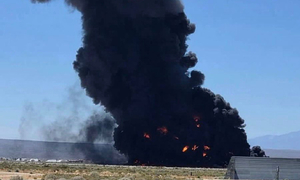
2 The crashed B-52 is believed to have been participating in the largest upgrade program in the history of this legendary bomber.
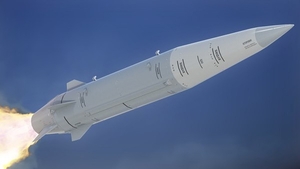
With speeds exceeding Mach 5, unpredictable maneuverability, and near impenetrability, hypersonic weapons are at the heart of the military competition between major powers.
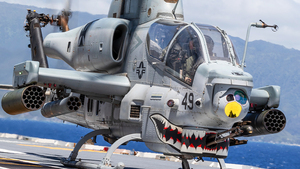
The top spot goes to a helicopter model that originated during the Cold War but is still present in dozens of countries and continues to be produced today.
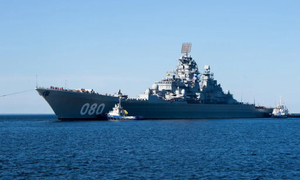
From Russia's massive nuclear-powered cruisers to the stealth destroyers of the US and China, the competition at sea is entering a critical phase.
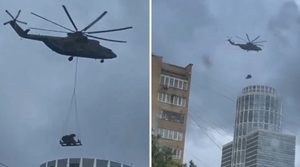 1
1 New images from Moscow show Mi-26 helicopters continuously lifting Pantsir-SMD-E air defense systems onto the rooftops of high-rise buildings.
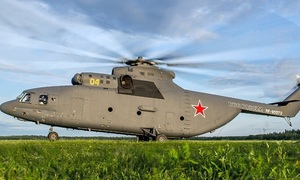 0
0 Capable of lifting armored vehicles, self-propelled artillery, and even towing downed aircraft, these "monsters of the sky" are the backbone of modern military operations.
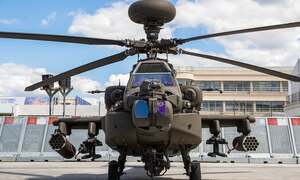 0
0 The race between "sky killers" is entering a new phase with advanced sensors, long-range missiles, and centralized network warfare capabilities.
 0
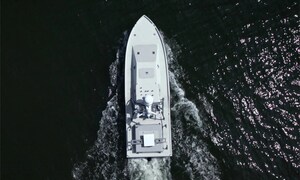
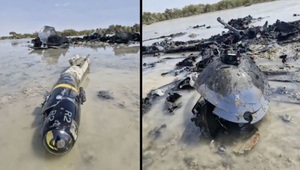
0 A U.S. Navy unmanned boat undertook an unprecedented mission, rescuing the crew of an Apache helicopter shot down over the Gulf of Oman.
 0
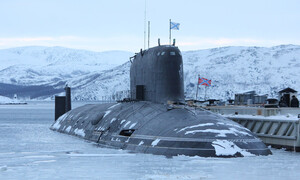
0 The US and Russia still hold the leading position in the submarine field, but the rapid expansion of China's fleet is shifting the balance of power beneath the ocean.
 0
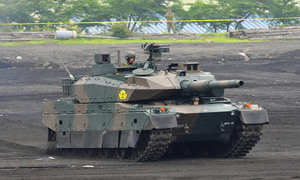
0 Tanks were once considered obsolete in the face of UAVs and anti-tank missiles, but new-generation tank models are proving otherwise with modern protection and firepower technology.
 0
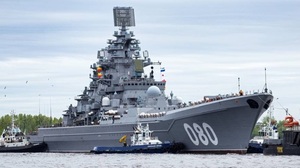
0 After nearly 30 years of delays and upgrades, the Russian Navy's most powerful surface warship is nearing its return, carrying firepower that will make many adversaries wary.
 0
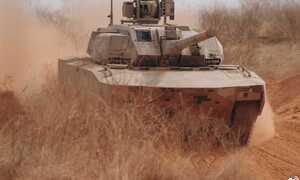
0 A mysterious prototype has recently emerged, attracting military attention due to its massive armor and numerous features that surpass current main battle tank designs.
 0
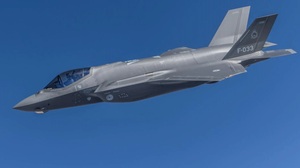
0 Washington is reportedly being forced to modify the F-35's core security system due to the risk of Chinese quantum technology changing the military game.
 0
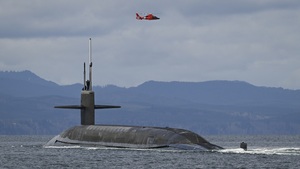
0 The unusual move by the US Navy immediately sparked speculation about a strong message being sent to Iran and NATO.
 0
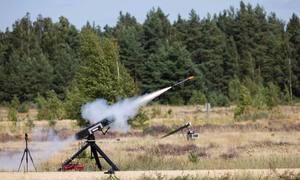
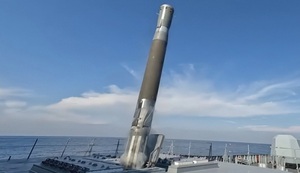
0 After years of UAVs dominating the Ukrainian battlefield, some experts believe the era of "propeller drones" may be reaching its limit.
 0
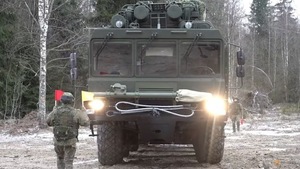
0 Moscow's rare move has drawn attention from observers, as a series of missiles carrying nuclear warheads appeared simultaneously in a large-scale exercise.
 0
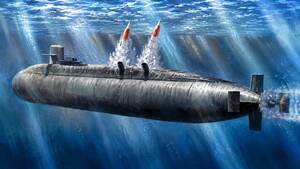
0 The U.S. Navy faces an unprecedented firepower gap as its most powerful missile-carrying submarines are about to be decommissioned en masse.
 0
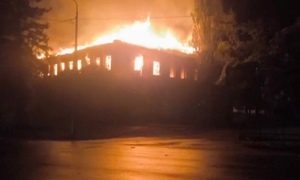
0 Russian Oreshnik missiles, which President Vladimir Putin claims have destructive power equivalent to a nuclear strike despite carrying conventional warheads, are a prime example of this.
 0
0 Kyiv claims the operation has significantly disrupted the UAV training and logistics of Russian frontline units, while Moscow has not commented.
 0
0 The Strait of Hormuz is becoming a focal point of strategic bargaining between Tehran and Washington, but analysts say Iran also faces enormous risks.
 0
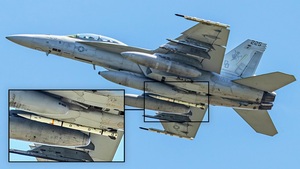
0 After years of secrecy, the air-to-air missile expected to surpass the AIM-120 has finally appeared on U.S. Navy fighter jets.
 0
0 A series of unusual vehicles, never before seen in China, unexpectedly escorted the US President, sparking speculation about anti-UAV and electronic warfare technology.
 0
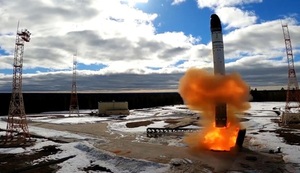
0 Moscow claims the RS-28 Sarmat intercontinental ballistic missile has a range of over 35.000 km, capable of striking targets along an unprecedentedly difficult-to-intercept trajectory.
 0
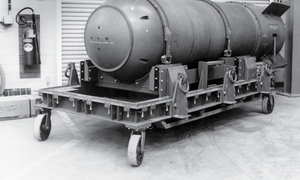
0 One of the most powerful nuclear weapons of the Cold War era disappeared off the coast of the United States nearly 70 years ago and has never been found.
 0
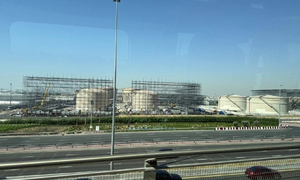
0 Following thousands of attacks from Iran, the UAE is deploying defensive measures that were widely seen during the Russia-Ukraine conflict.
 0
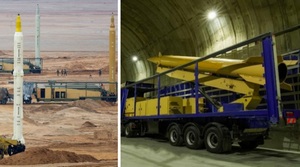
0 US intelligence acknowledges that Iran has rapidly restored much of its missile capability, despite months of intense airstrikes.
 0
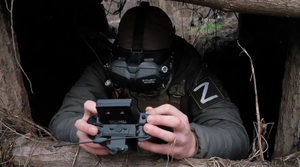
0 Inexpensive weapons are flooding the battlefield, but behind those precise hits lie a host of rarely mentioned limitations.
 0
0 Without tanks and heavy missiles, this year's Victory Day parade in Russia will have a very different look.
 0
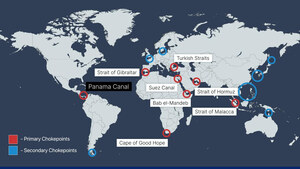
0 A dangerous precedent is emerging, threatening to disrupt the maritime order and have global economic repercussions.
 0
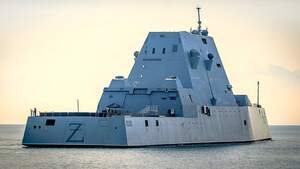
0 The project, once expected to transform the U.S. Navy, has become a costly lesson, and new efforts risk repeating the same mistakes.
 0
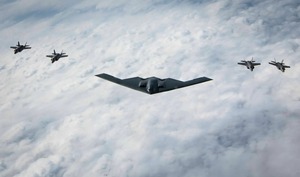
0 Errors in battlefield identification have shown that even modern systems have vulnerabilities, forcing the US to seek ways to integrate battlefield data.
 0
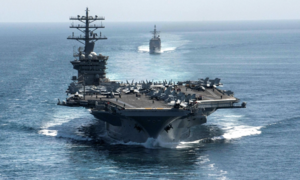
0 The supercarrier Nimitz is often known as America's oldest aircraft carrier, having been commissioned in 1975.
 0
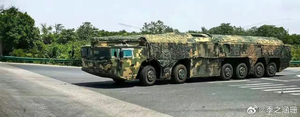
0 A new system appearing on the streets of Hebei is raising serious questions about Beijing's long-range strike capabilities.
 0
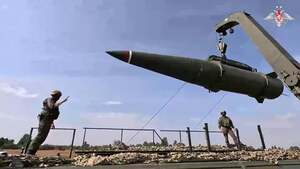
0 The relentless air raids have revealed weaknesses in Ukraine's air defenses, while Moscow's quiet restoration of its missile capabilities is making the situation even more unpredictable.
 0
0 Once the dominant force in the skies, the MQ-9 now faces a completely different combat environment, where the enemy has the capability for a powerful response.