


 Hotline: 0855.911.911
  RSS
RSS 





In Vietnamese cuisine, tapioca starch and cassava starch are two familiar types of flour, commonly used in many dishes and drinks; they share some similar characteristics in terms of shape and color. Things you should know... how to distinguish Knowing the correct way to distinguish between tapioca starch and cassava starch is crucial to avoid confusing the two, ensuring the right ingredients are used for each dish and preserving its flavor and nutritional value.
Uses of kudzu starch and tapioca starch
Cassava starch is made from the cassava root, a climbing plant with tubers that grow underground. After harvesting, the cassava roots are washed, ground into a paste, and then filtered through water several times to remove fiber and impurities. The starch that settles is then dried to create cassava starch. This powder is popular because of its cooling properties and its ability to clear heat and detoxify the body. It is often used to make drinks, desserts, or dishes that help cool the body.
Key benefits: Cools and refreshes the body, reduces symptoms of heatstroke and internal heat; supports digestion, and beautifies the skin.
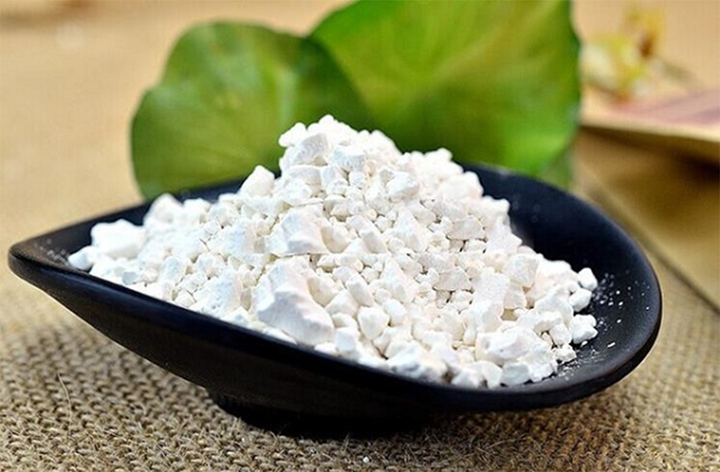
Do you know how to distinguish between tapioca starch and cassava starch? (Photo: Kingfoodmart)
Tapioca starch, also known as cassava starch or tapioca flour, is not actually made from water chestnuts but is primarily processed from cassava tubers. After being cleaned and ground, the cassava is filtered to extract the starch, which is then dried or dehydrated to create tapioca starch. This type of starch is commonly used as a thickening agent in dishes such as tapioca dumplings, pork skin dumplings, sweet rice balls in syrup, soups, or as a binding agent in sauces.
Key uses: Creates a thick, viscous consistency in dishes, used in traditional baking, and as a binding agent in food processing.
How to distinguish between tapioca starch and cassava starch
You can identify the differences between tapioca starch and cassava starch through the following table:
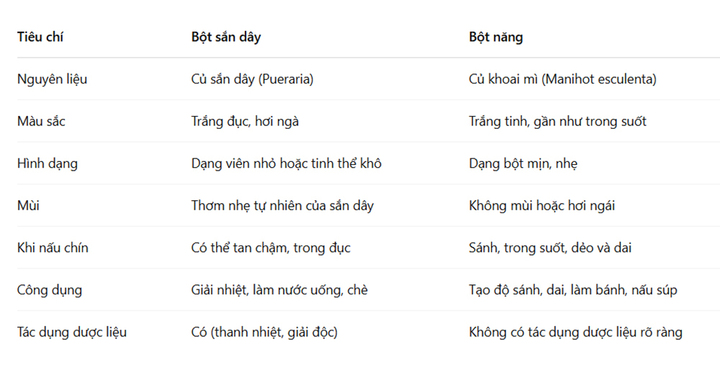
How to distinguish between tapioca starch and cassava starch.
How to distinguish between uncooked tapioca starch and cassava starch:
- Cassava starch comes in the form of irregular pellets or crystals, with an opaque white appearance. In contrast, tapioca starch is fine like wheat flour, pure white, and does not have a pellet-like shape.
- Cassava starch is hard and dry; it doesn't crumble when squeezed. Tapioca starch is fine and easily clumps together when moist.
- Cassava starch has a naturally mild and pleasant aroma. Tapioca starch is almost odorless or has a slightly earthy smell due to the manufacturing process.
How to distinguish between tapioca starch and cassava starch after processing:
- When mixed with cold water, cassava flour It will be difficult to dissolve completely; stirring is necessary. Tapioca starch dissolves faster, creating a thick mixture.
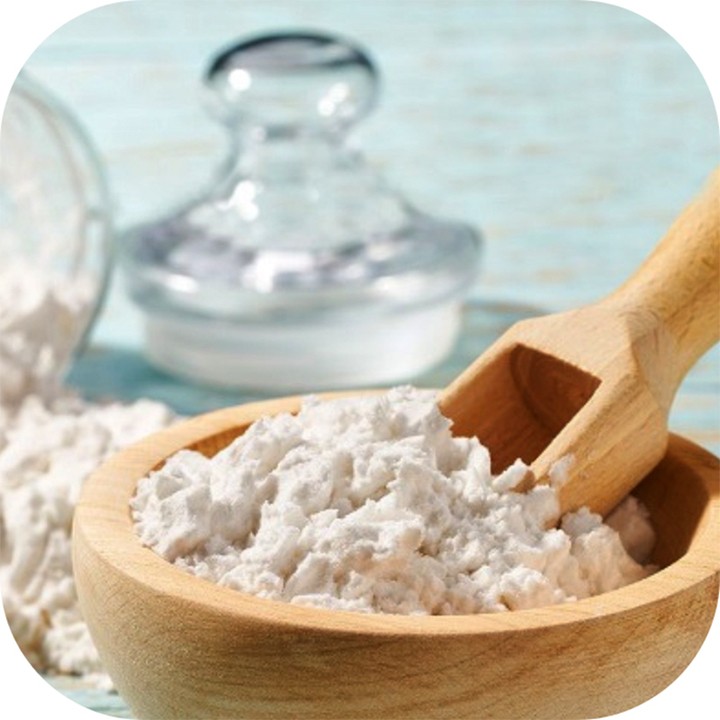
Tapioca starch does not come in pellet form like cassava starch.
- When cooked, tapioca starch becomes translucent, slightly viscous, but not chewy. Cornstarch, on the other hand, forms a clear, viscous substance with a distinct elasticity, making it excellent for creating texture in dishes.
Notes on usage:
- Pure kudzu starch powder is usually more expensive.
- Avoid using too much tapioca starch in one serving because it can be difficult to digest if consumed in excessive amounts.
- If using kudzu powder to make a drink, do not add boiling water directly. Instead, use cool or warm water to dissolve it first, then stir until cooked with hot water.
Although tapioca starch and cassava starch look similar, they are completely different in origin, properties, and uses. Accurately distinguishing between these two types of starch not only helps you choose the right ingredient for each dish but also ensures health and effectiveness.

 Comment