


 Hotline: 0855.911.911
  RSS
RSS 





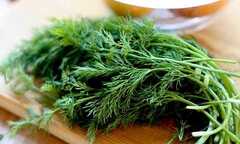
Dill is both an herb and a spice used to enhance the flavor of dishes. It's a common ingredient in Vietnamese family meals. So, what are the benefits of dill?
Nutritional value of dill
According to information on the Vinmec General Hospital website, fresh dill is very low in calories but is a rich source of vitamins and minerals such as vitamin C, manganese, and vitamin A.
One cup (about 9 grams) of fresh dill provides approximately:
Vitamin C: 8% of the daily value
Manganese: 5% of daily value
Vitamin A: 4% of the daily value
Folate: 3% of the daily value
Iron: 3% of the daily value.
Vitamin A is an essential nutrient crucial for maintaining vision and supporting a healthy immune system. It also plays a vital role in reproductive health in both men and women.
Similarly, vitamin C is crucial for your immune system, helping with wound healing and metabolism. Additionally, vitamin C has been shown to be a powerful antioxidant that helps protect cells against the effects of free radicals.
Dill is also a good source of manganese, which supports the normal functioning of the brain and nervous system, and helps in the metabolism of sugar and fat.
What are the uses of dill?
Below are the health benefits of dill, as published in the Health & Life newspaper:
Stimulating milk production in mothers
Fennel contains estrogen-like compounds. These compounds function in the body similarly to estrogen. They stimulate milk production in goats and researchers believe they may have a similar effect on women.
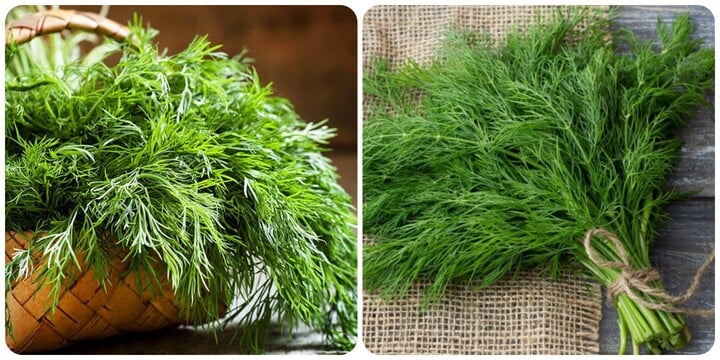
Many people wonder what the benefits of dill are.
The use of fennel to increase milk production has been practiced for centuries, and even today, many mothers still use herbal teas based on fennel to boost their milk supply.
Fennel oil reduces fussiness in infants.
Infant colic is a condition where newborns cry incessantly for hours at a time. The cause of this syndrome is not yet fully understood, but it can be incredibly stressful for parents and caregivers.
A study conducted in Russia indicated that oil made from fennel seeds can reduce the intensity of crying in infants, measured by a reduction in crying time of up to one-quarter.
Respiratory system
Rinsing your mouth with fennel seed oil may help loosen phlegm in the lungs and reduce coughing or sore throat, according to a study in Italy. You should consult your doctor if rinsing with about 1-1,5 teaspoons of fennel seed oil daily can alleviate your symptoms.
Increased libido
According to folklore, dill can be used as an aphrodisiac. However, there is not much research to prove this.
Treatment of cholera
Recent scientific studies indicate that common spices, including dill and red chili peppers, have disease-fighting properties and can slow the growth of certain bacteria associated with cholera.
Adverse effects
Fennel is generally safe. However, in a few cases, it can cause allergic reactions such as vomiting, diarrhea, itchy mouth, redness and swelling of the tongue, and throat swelling. Pregnant and breastfeeding women should not use fennel essential oil, as studies on its safety are limited.
With the information above, you probably already have the answer to the question "What are the uses of dill?"

 Comment