


 Hotline: 0855.911.911
  RSS
RSS 





Beetroot is an ingredient that can be used to prepare many dishes and drinks such as beetroot juice, beetroot soup, beetroot blood pudding… or it can also be used to color some dishes such as cakes or jams.
Beetroots typically come in two colors: dark red or charcoal purple. The outer skin is black and rough. When you cut a beetroot crosswise, you'll see many concentric circles of varying shades. So, what are the benefits of red beetroot?
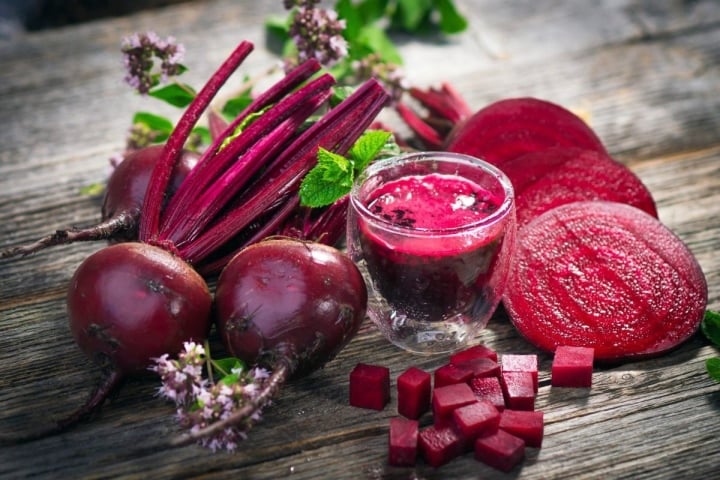
What are the benefits of beetroot?
What are the benefits of red beets?
Maintaining the liver's detoxification function.
Red beets contain the pigment betacyanin, an active compound that helps the liver detoxify more effectively by creating a chain effect on the bloodstream and helping to remove toxins from the liver. This feature is extremely effective in treating liver toxicity or liver and biliary diseases such as jaundice, hepatitis, food poisoning, diarrhea, or vomiting.
At the same time, red beets have the ability to prevent the formation of fat layers in the body. Using red beets as juice or adding them to your daily diet will help you limit the accumulation of excess fat and help you lose weight effectively.
Preventing stroke and cardiovascular problems.
Red beets have the function of lowering blood cholesterol levels and acting as antioxidants. Therefore, red beets are considered a superfood that helps protect cardiovascular health.
Helps regulate blood pressure
The reason red beets can regulate blood pressure is due to their high nitrate content. Consuming 500ml of red beet juice daily can be very effective in regulating blood pressure.
Helps to enrich the blood
The high iron content in red beets helps regenerate and stimulate blood cells, supplying oxygen to the body. At the same time, the copper content in beets also helps the body produce more iron.
Beetroot is a food that is very effective in preventing and treating anemia.
Helps boost the immune system.
Red beets are very high in vitamins and minerals. This is why consuming them helps boost the body's immunity, preventing infections and other diseases. In addition, the nutrients in red beets promote the body's production of new blood cells and stimulate cellular oxygenation.
In particular, betaine in red beets plays an important role in the body's production of serotonin, a mood-enhancing substance. Therefore, eating or drinking red beet juice regularly is a way to improve mood and promote a healthier, happier state of mind.
Prevent constipation
Constipation occurs when the body is not adequately hydrated or lacks fiber, and beets contain a relatively high amount of fiber. Therefore, eating beets or drinking beet juice regularly can help improve constipation.
In addition, the fiber and nutrients that this root vegetable provides also contribute to better detoxification of the body.
Preventing cancer
Beetroot possesses anti-cancer properties due to its antioxidant compounds such as vitamins E and C, iron, magnesium, phosphorus, and lysine. These antioxidants help fight harmful free radicals and prevent the formation of malignant cells that cause cancer.
Beetroot contains a high amount of betalain, which may help reduce the growth of prostate and breast cancer cells.
Improve brain function
Nitric oxide, found in red beets, helps dilate blood vessels, thereby increasing blood flow to the brain and helping the brain function better.
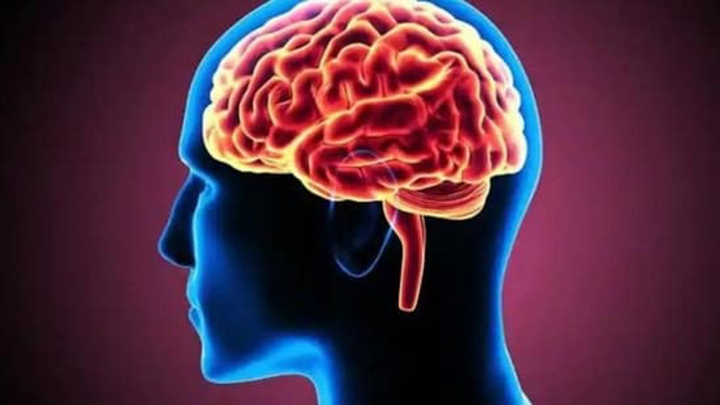
Nitric oxide, found in red beets, is incredibly effective in improving brain function.
Notes on using red beets
Restrictions apply to people with kidney stones.
The oxalate in red beets has anti-nutritional properties, contributing to the formation of kidney stones. Therefore, eating red beets or drinking beet juice in large quantities may cause recurrence or worsen kidney stone conditions.
Do not mix beetroot juice with milk.
Many people add milk to beetroot juice to make it sweeter and creamier, but this combination can be harmful to health.
Not suitable for infants under 6 months old.
Many parents believe that beetroot juice is good for young children because it helps to enrich the blood; however, it is not suitable for children under 6 months old. In particular, combining beetroot with milk can cause dangerous poisoning in infants.


 Comment