


 Hotline: 0855.911.911
  RSS
RSS 





Speaking after a meeting with Nordic leaders in Oslo on August 15, German Chancellor Olaf Scholz argued that "This is not a conflict of the Russian people." Describe what is happening as follows: "Putin's war", while also calling on leaders of European Union (EU) countries to distinguish between the Russian population in general and the country's leadership.
According to Prime Minister Olaf Scholz, "There are many people fleeing Russia." He stressed that the EU should not make life more difficult for these people by closing its borders to them.
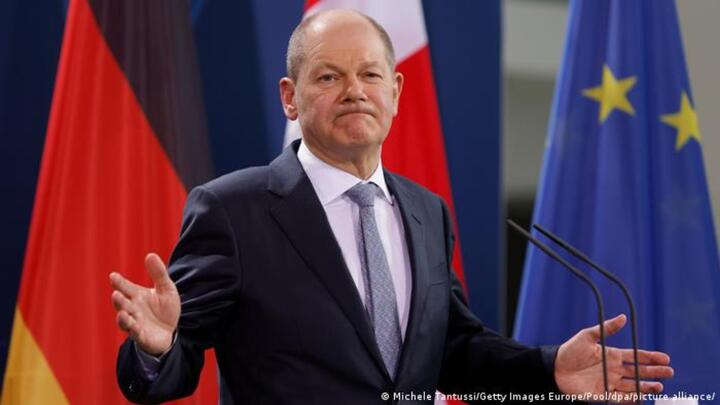
German Chancellor Olaf Scholz. (Photo: Getty)
Nhà lãnh đạo Đức trước đó cũng cảnh báo rằng lệnh cấm thị thực của EU đối với công dân Nga sẽ ảnh hưởng đến "innocent people" in Russia.
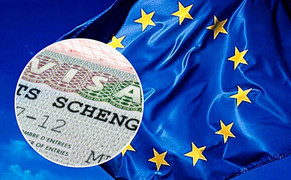
Finland and Denmark have stated that they want the EU to make a joint decision and restrict the issuance of Schengen visas to Russian tourists.
The EU suspended air travel with Russia after Moscow launched a special military operation in Ukraine in late February, but Schengen countries continued to issue visas to Russians.
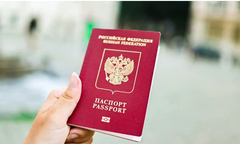
Countries supporting a comprehensive ban argue that Russians should not be allowed to enjoy holidays in Europe while fighting continues in Ukraine. The three Baltic states – Estonia, Latvia, and Lithuania – have stopped issuing visas to Russian citizens and are among the strongest supporters of a nationwide EU ban.
Ngoại trưởng Litva Gabrielius Landsbergis cho biết, theo ông không người Nga nào được phép vào khu vực Schengen.
However, quite a few voices within the EU have spoken out against the proposed visa ban for Russians. Recently, a spokesperson for the European Commission stated that such drastic restrictions would be unreasonable and that visa applications should be considered on a case-by-case basis.
Discussions on this issue are expected to take place at an informal meeting of EU foreign ministers on August 31st in Gymnich, Germany.
 Comment