


 Hotline: 0855.911.911
  RSS
RSS 





In the summer, after a tiring day of work, sitting down to drink a bowl of vối leaf tea will quench your thirst and relieve fatigue. According to experts, vối leaf tea, when consumed correctly, is very good for your health. So, what are the benefits of vối leaves?
Overview of the Vối tree
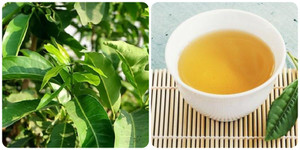
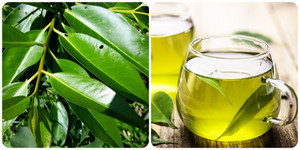
The Vối tree is a medium-sized tree, 5-6m tall, sometimes taller. The branches are round or slightly four-sided and smooth. The leaf stalks are 1-1,5cm long. The leaf blades are tough, stiff, oval or obovate, broadly egg-shaped, tapering at the base with a short pointed tip, both sides the same light color with brown spots, 8-9cm long and 4-5cm wide.
The flowers are almost sessile, pale green or white. The inflorescence is pyramidal, spreading out in the axils of fallen leaves. The fruit is spherical or egg-shaped, 7-12 mm in diameter, rough, and juicy. The entire leaves, young branches, and buds have a pleasant aroma. The plant grows wild and is cultivated everywhere.
It's important to distinguish this plant from the wild Syzygium jambos, which grows in mountainous areas. It also belongs to the Myrtaceae family and its bark is used in traditional Chinese medicine, known as Magnolia officinalis. Magnolia officinalis is used to treat abdominal pain, bloating, indigestion, vomiting, etc.
In the summer, after hours of tiring work, sitting down to rest and drink a bowl of vối tea will quench your thirst and relieve fatigue because, in addition to water, the body is also supplied with some essential minerals and vitamins lost through sweat.
Studies show that if you only drink plain water (like boiled and cooled water), the body will eliminate it completely after 30-40 minutes. However, if you drink water infused with the leaves of the *Vối* plant or fresh tea, after the same amount of time, the body will only eliminate about 1/5 of the water consumed, with the rest being eliminated gradually afterward.
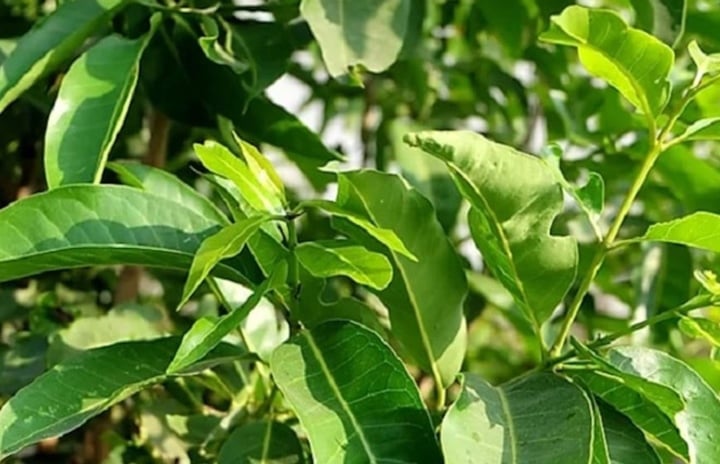
Voi leaf tea is a popular drink, but not everyone knows about the benefits of voi leaves.
What are the uses of Vối leaves?
The leaves and flower buds of the Vối plant are used to make tea, brewed into a drink to treat certain ailments.
The leaves and flower buds of the Vối plant can be used fresh or fermented before use.
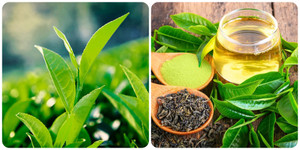
How to ferment vối leaves and buds: After harvesting, wash the vối leaves and buds to remove the sap and let them dry completely. Place them in a bamboo basket or sieve, then cover with straw until the leaves or buds turn black. Then remove them, dry them, store them, and use them gradually. The purpose of fermenting vối leaves is to destroy the chlorophyll inside the leaves and remove the resinous smell, thereby improving the quality of the vối tea.
Additionally, people also harvest fresh leaves and buds of the Vối plant to dry and use as medicine.
The leaves of the Vối plant have a bitter, slightly astringent taste and contain a small amount of mild toxins. They have cooling, antiseptic, and liver, lung, and bladder-regulating effects. Vối leaf tea has antibacterial, analgesic, anti-inflammatory, expectorant, and blood pressure-regulating properties, especially for those with liver heat. Daily consumption of the brewed tea can aid digestion, reduce blood fat, treat heatstroke, and regulate body temperature.
How to use:
The leaves are used to make tea, steeped in boiling water and drunk hot. The small flowers, harvested later, are also used to make tea. Additionally, the leaves, buds, and flowers of the Vối plant can be steeped with eucalyptus leaves and patchouli to aid digestion.
A strong decoction of vối leaves can have antibiotic and antiseptic properties, used for washing and cleaning boils, ulcers, scabies, and impetigo.
A remedy using the leaves of the Vối plant.
1. Treating itchy sores and scalp infections.
Use a sufficient amount of boiled water for bathing, shampooing, and thoroughly cleaning areas with sores and rashes.
2. Treating burns
Take the bark of the Vối tree, scrape off the rough outer layer, wash it thoroughly, let it dry, then crush it. Mix it with cooled boiled water, then filter and apply the resulting liquid to the burn.
This remedy can increase fluid secretion, reduce swelling, soothe pain, and inhibit bacterial growth.
3. Itchy dermatitis
Boil the leaves of the Vối plant in water until concentrated, then apply the resulting liquid to areas of skin inflammation, sores, and itching for treatment.
4. Treating chronic colitis
Patients with chronic colitis, who frequently experience loose stools and dull abdominal pain, can use about 200g of fresh Vối leaves, crushed and steeped in 2 liters of boiling water for 1 hour, then drink it instead of water.
5. Treating bloating and indigestion
Use 6-12 grams of the stem of the Vối plant, boil it to make a concentrated decoction, and drink it twice a day.
Alternatively, you can boil 10-15g of Syzygium aromaticum flower buds to make a concentrated decoction and drink it three times a day.
6. Lower blood fat levels
Use 15-20g of dried clove buds, steep them in water and drink like tea, or you can boil them to make a concentrated decoction, divided into 3 doses to drink throughout the day. Use regularly to see the therapeutic effect.
7. Treating abdominal pain and diarrhea
Three leaves of the Vối tree, 8g of guava peel, and 10g of banana flower bud. All ingredients are finely chopped, dried, and boiled in 400ml of water until only 100ml remains. This decoction is divided into two doses and drunk twice daily. Use for 2-3 consecutive days. The bark of the Vối tree can also be boiled to treat stomach pain and indigestion, with a dosage of 6-12g per day.

 Comment