


 Hotline: 0855.911.911
  RSS
RSS 





What are the uses of dried vối leaves?
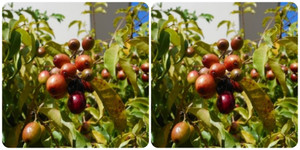
Cây vối (tên khoa học là Cleistocalyx Operculatus) là loài thân gỗ. Với chiều cao trung bình khoảng 5-6m, cây vối có đường kính lên đến 50cm. Cuống lá vối dài từ 1-1,5cm, phiến lá vối dai và cứng. Hoa vối màu lục nhạt, trắng gần như không cuống. Quả vối hình cầu hoặc hình trứng, đường kính từ 7-12mm khi chín có màu tím sẫm, có dịch.
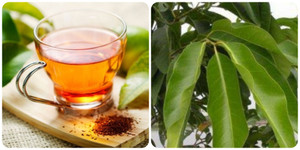
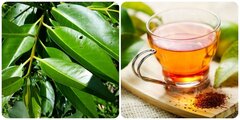
Lá, cành non và nụ vối thường mùi thơm dễ chịu đặc trưng. Do vậy, người dân thường đun nước vối hay trà vối để uống giải khát hàng ngày, tương tự như nước chè xanh.
According to Dr. Bui Dac Sang, a general practitioner at the Vietnam Academy of Science and Technology and the Hanoi Traditional Medicine Association, the leaves of the Vối plant contain saponins, very little tannin, traces of alkaloids (belonging to the indolic group) similar to caffeine, and 4% volatile essential oil with a pleasant aroma. Other parts of the plant also contain sterols, fats, catechic and gallic tannins. The leaves and buds contain triterpenic acids.
Numerous studies have shown that both the leaves and buds of the Vối plant possess antibiotic properties against several gram-positive and gram-negative bacteria at all stages of development. The antibiotic (antibacterial) substances are typically most concentrated in the leaves during the winter months.
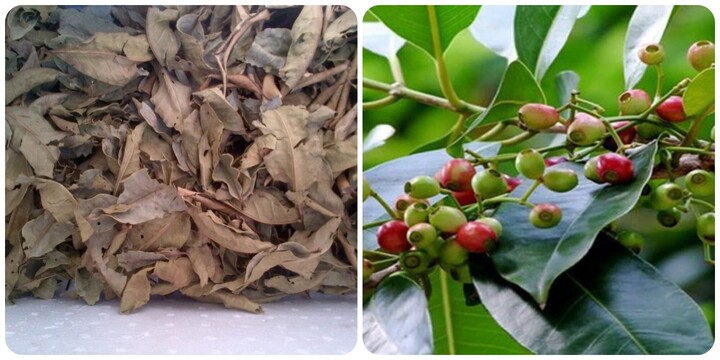
Vối tươi hay vối khô đều có tác dụng như nhau
These antibiotics are water-soluble and soluble in organic solvents, stable at high temperatures, and in environments with a pH of 2-9. They are most effective against Streptococcus (hemolytic and staman), followed by diphtheria bacteria, Staphylococcus, and Prieumococcus. They are completely non-toxic to the human body.
Furthermore, the leaves and buds of the Vối plant have long been used by the Vietnamese people to make a fragrant tea that aids digestion, stimulates appetite, reduces swelling, stops bleeding, and promotes tissue regeneration. A strong decoction of fresh or dried Vối leaves is considered to have antiseptic properties for washing boils, ulcers, scabies, and itching. Generally, dried buds and leaves are used for internal consumption, while fresh leaves are used for external application.
A remedy using the leaves of the Vối plant.
Dưới đây là những bài thuốc sử dụng lá vối được đăng trên website Bệnh viện Nguyễn Tri Phương:
1. Treating itchy sores and scalp infections.
Use a sufficient amount of boiled water for bathing, shampooing, and thoroughly cleaning areas with sores and rashes.
2. Treating burns
Take the bark of the Vối tree, scrape off the rough outer layer, wash it thoroughly, let it dry, then crush it. Mix it with cooled boiled water, then filter and apply the resulting liquid to the burn.
This remedy can increase fluid secretion, reduce swelling, soothe pain, and inhibit bacterial growth.
3. Itchy dermatitis
Boil the leaves of the Vối plant in water until concentrated, then apply the resulting liquid to areas of skin inflammation, sores, and itching for treatment.
4. Treating chronic colitis
Patients with chronic colitis, who frequently experience loose stools and dull abdominal pain, can use about 200g of fresh Vối leaves, crushed and steeped in 2 liters of boiling water for 1 hour, then drink it instead of water.
5. Treating bloating and indigestion
Dùng 6 – 12 g thân cây vối, sắc lấy nước đặc dùng uống 2 lần trong ngày.
Hoặc có thể dùng 10 – 15g nụ vối sắc lấy nước đặc, uống 3 lần trong ngày.
6. Lower blood fat levels
Sử dụng 15 – 20g nụ vối, hãm lấy nước, dùng uống như nước trà hoặc có thể nấu thành nước đặc, chia thành 3 lần uống trong ngày. Thường xuyên sử dụng để thấy hiệu quả điều trị.
7. Chữa bệnh tiêu chảy
Bài thuốc thứ nhất:
Dùng 100g vỏ thân cây vối, vỏ thân cây sung 100g, lá phèn đen 100g, 100 g lá ơi tươi, 50 g hạt vải, 50g vỏ cây đại và 30 g quế mang đi sấy khô, tán thành bột mịn. Mang bột này luyện thành hồ rồi làm thành hoàn, đường kính bằng hạt đỗ đen. Mỗi lần dùng 12g, chia làm 2 lần uống trong ngày.
Bài thuốc thứ hai:
Sử dụng 3 chiếc lá vối, vỏ ổi rộp 8g, núm của quả chuối tiêu 10g mang đi thái nhỏ, phơi khô. Sau đó sắc cùng với 400ml nước, đến khi cạn còn 100ml là được.
Khi dùng chia làm 2 lần, uống trong ngày. Sử dụng liên tục trong 2 – 3 ngày để thấy hiệu quả sử dụng.
8. Chữa tiểu đường
Dùng 15 – 20g nụ vối sắc lấy nước, chia thành 3 lần uống trong ngày. Hoặc sử một lượng nụ vối vừa đủ hãm với nước sôi uống thay trà.
9. Chữa viêm gan vàng da
Sử dụng 200g rễ hoặc thân cây lá vối hãm với nước sôi dùng uống hàng ngày.
10. Chữa lạnh bụng, cơ thể mệt mỏi
Dùng 16g lá vối khô, trần bì 16g, cam thảo 8g mang đi tán thành bột mịn. Cho thêm 3 lát gừng tươi sắc thành nước uống hoặc pha 25 – 30g với nước dùng uống hàng ngày.
11. Hỗ trợ điều trị Gout
Nụ vối hoặc lá vối sắc lấy nước uống hàng ngày có thể hỗ trợ tiêu tích, làm tan khoáng chất Uric, từ đó góp phần hỗ trợ điều trị bệnh Gout.
Lưu ý: Bài thuốc chỉ có tác dụng hỗ trợ điều trị, không thể thay thế tư vấn, hỗ trợ và phương pháp điều trị của bác sĩ.

 Comment