


 Hotline: 0855.911.911
  RSS
RSS 





Buddha's Birthday in 2022 will fall on Sunday, May 15th, which is the 5th day of the 4th lunar month of the Year of the Tiger.
The origin of Buddha's birthday
Since ancient times, Vesak – the Buddha's birthday or Triple Celebration – has been a holiday commemorating three important events in the life of Siddhartha Gautama Buddha (his birth, enlightenment, and death). The celebration is held in Buddhist countries following the Theravada tradition, starting in Sri Lanka, then spreading to Myanmar, Thailand, Laos, and other countries. Tibetan Buddhism also considers this day the Triple Celebration.
According to the traditions of Mahayana Buddhism and Chinese Buddhism, Buddha's Birthday is simply the commemoration of the birth of Siddhartha Gautama, the Buddha. Buddha's Birthday, or Vesak, is celebrated on different dates depending on the country. Some countries with a majority Mahayana Buddhist population (such as China, Korea, and Japan) usually celebrate Buddha's Birthday on the 8th day of the 4th lunar month. Countries following Theravada Buddhism usually celebrate it on the full moon day of the 4th lunar month or the full moon day of May in the Gregorian calendar.
On October 28, 1999, representatives from 34 countries around the world submitted a draft resolution to the United Nations General Assembly recognizing... Vesak Festival Commemorating the birth, enlightenment, and death of the Buddha.
On November 12, 1999, the United Nations General Assembly adopted a resolution recognizing the full moon day of May as Vesak Day, commemorating the birth, enlightenment, and death of the Buddha.
The resolution reads: "The teachings of the Buddha, and his message of compassion, peace, and kindness, have transformed millions of people... Recognizing the full moon of May each year as the most sacred day for Buddhists, commemorating the birth, enlightenment, and passing into Nirvana of the Buddha."
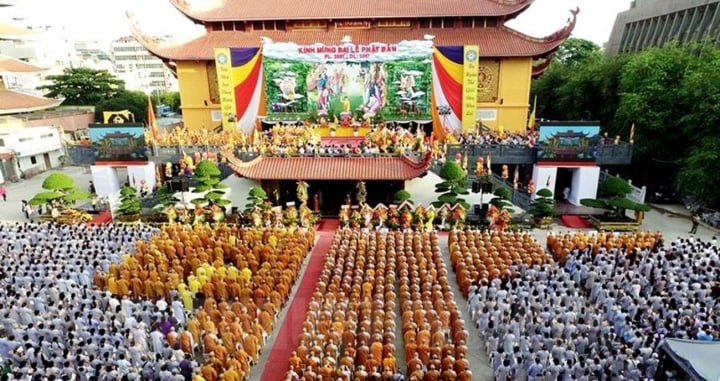
What is Buddha's Birthday? Many countries consider it the Triple Anniversary, commemorating the Buddha's birth, enlightenment, and passing into Nirvana.
Since 1999, the United Nations has celebrated Vesak Day annually at its headquarters in New York and in many other locations around the world. In particular, countries with long-standing Buddhist traditions in Asia, in accordance with the spirit of the UN resolution, solemnly celebrate Vesak Day each year, including Vietnam in 2008 and 2014.
This grand celebration includes many activities, in addition to religious events, there are seminars on Buddhist themes related to social life, exhibitions, performances of folk art and culture from the host countries, and tours to Buddhist landmarks and historical sites.
Former UN Secretary-General Ban Ki-moon once said on the occasion of Vesak Day 2007: "For over 2.500 years, the teachings of the Enlightened Master, Buddha Shakyamuni, have continued to be a guiding principle and have given meaning to the lives of millions of people around the world."
The annual celebration of this grand ceremony is an opportunity for Buddhists to reaffirm their faith in his teachings, while also fostering the spirit of compassion, wisdom, and peace that the Buddha imparted.
The significance of Buddha's birthday
Buddha's Birthday is a national holiday in many Asian countries such as Thailand, Nepal, Sri Lanka, Malaysia, Myanmar, Singapore, Indonesia, South Korea, Cambodia, etc.
On holidays, Buddhists often honor the Triple Gem: Buddha, Dharma, and Sangha (through acts such as offerings, giving flowers, and attending lectures), and practice vegetarianism, observe the five precepts, the four immeasurable minds (compassion, loving-kindness, joy, equanimity), practice giving and charity, and donate gifts and money to the underprivileged in the community.
Celebrating Vesak also means making special efforts to bring happiness and joy to the less fortunate, such as the elderly, the disabled, and the sick, sharing joy and peace with everyone.
In some countries, particularly Sri Lanka, two days are dedicated to celebrating Vesak, during which the sale of alcohol and meat is often prohibited and all liquor stores, beer shops, and slaughterhouses must close by government decree.
Birds, insects, and animals are released as a "symbolic act of liberation," of freeing those who are imprisoned, detained, or tortured against their will.
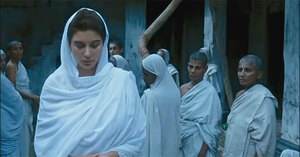
In India and Nepal, people often wear white when visiting temples and observe vegetarianism. Most Asian countries have flower float parades and chanting ceremonies; South Korea has the large Yeon Deung Hoe lotus lantern festival.

 Comment