



 Hotline: 0855.911.911
  RSS
RSS 

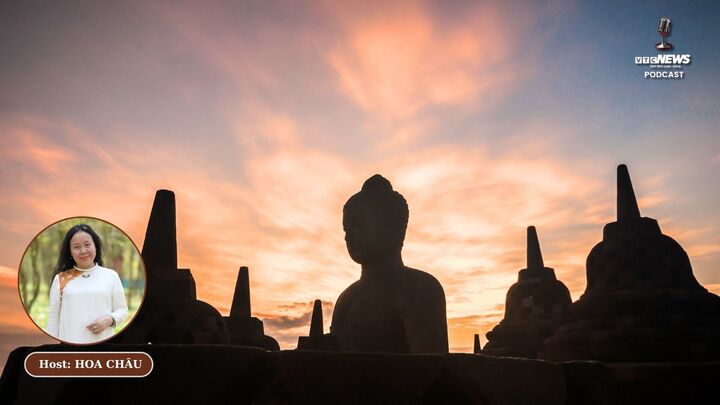
Vesak: A journey to find peace amidst an uncertain world.
The true meaning of Vesak (Buddha's Birthday) lies not in the outward rituals, but in the journey of spiritual awakening and rediscovering inner peace amidst the world.





The true meaning of Vesak (Buddha's Birthday) lies not in the outward rituals, but in the journey of spiritual awakening and rediscovering inner peace amidst the world.
Discover the profound meaning of Prince Siddhartha's declaration, awakening the noble nature and potential for enlightenment within each person.
No one could afford it, so the female billionaire spent 90 million Vietnamese dong (approximately 18,000 USD) on antique gold-embellished robes made of thousands of precious gems, using the money to build a monastery for the Buddha and the Sangha.
The garden that the billionaire Anathapindika used as a monastery to welcome the Buddha and his disciples was purchased at an exorbitant price: the entire garden was paved with gold.
The journey of letting go of worldly attachments, as exemplified by the golden wedding robe, led to the creation of the Pubbārāma monastery and is an inspiring story of compassion.
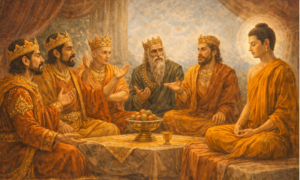
Five kings argued about which pleasure was ultimate, and since none would yield to the others, they unanimously went to see the Buddha to ask him to reveal the correct answer.
The story is about a wealthy merchant who spared no expense, using his gold and silver to cover the land, just to create a place where the Buddha could stop and preach.
The Buddhist perspective on making offerings and then demanding them back is a controversial issue in public opinion.
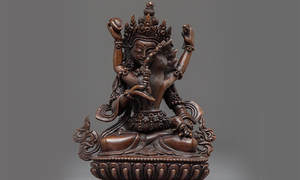
Mistaken for centuries as obscene, the Buddha embracing a goddess is actually one of the most sublime and profound spiritual symbols of Vajrayana Buddhism.
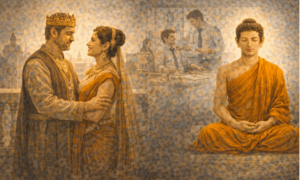
King Pasenadi asked the queen who she loved most, and the seemingly ordinary answer, upon hearing it, transformed it into a moral standard for how people should treat each other.
This is the story of the life of Mrs. Kieu Dam Di - a symbol of love, perseverance, and noble aspirations in Buddhism.
Explore the reasons why temples hold star worship ceremonies, from the perspective of Buddhist doctrine to psychological needs and social mechanisms.
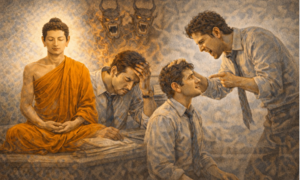
Many people go to work without being forced to, yet they become increasingly exhausted; the Buddha directly called this situation by its name: Treating yourself as your enemy.
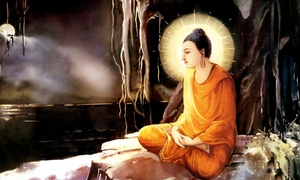
Low income, outstanding debts, a modest Lunar New Year celebration, the dilemma of whether to return home or stay… these end-of-year worries are very real, and Buddhism offers a perspective that can help lighten the burden on people's hearts.
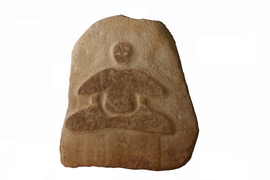
Dubbed the "Mona Lisa of Oc Eo art," this more than 1.500-year-old bas-relief reveals the golden age of Buddhism in Southern Vietnam.
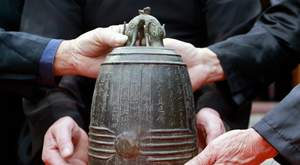
This is the only remaining national treasure from the 10th century, located in Hanoi, and is not only a Buddhist artifact but also a symbol of the sacred spirit of national independence.
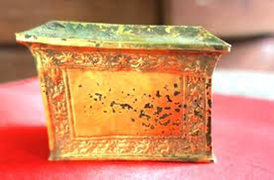
After 13 centuries hidden within an ancient pagoda, the golden box containing sacred treasures was discovered, revealing clues about the spread of Buddhism to Dai Viet from the 7th century.
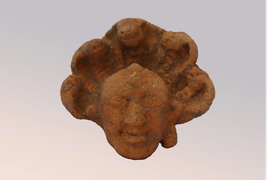
After two millennia buried deep beneath the Oc Eo soil, the head of the Linh Son Bac Buddha statue reveals a mysterious smile, illuminating the history of Buddhism and the spiritual journey across Asia.

The people of Vesālī resented the famine, believing it was caused by the Buddha and his monastic community angering the gods; yet, the Buddha still entered the city with his alms bowl to beg for food.
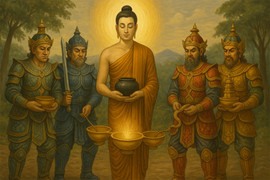
When the Buddha left the royal palace to seek enlightenment, he took nothing with him, not even a rice bowl; where did the Buddha's first alms bowl come from?
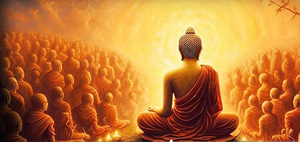
Upon hearing the words "Venerable Buddha," people will understand that it refers to Shakyamuni Buddha. They will then ask why he is called that and what the term "Venerable Buddha" means.
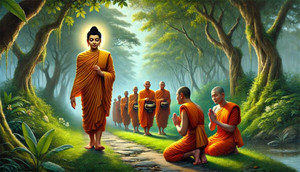
Tathagata is one of the titles that disciples used to respectfully address the Buddha Shakyamuni, and it is also a common self-referential term he used. So, what does Tathagata mean?
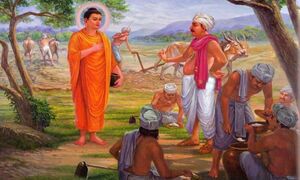
Seeing the Buddha carrying his alms bowl while begging for food, the Brahmin asked, "I have to toil in the fields to grow rice to feed myself; yet you don't sow or cultivate, and yet you still have rice to eat?"
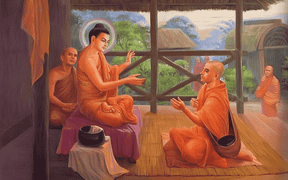
Today, mealtimes are often seen as a break between meetings or a time to browse on your phone, making the way the Buddha ate over 2.500 years ago a profound lesson.
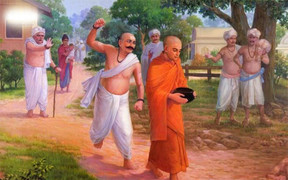
Once in the city of Sravasti, the Buddha went into a wealthy neighborhood to beg for alms, but no one offered him anything all morning; the monks who accompanied him were disappointed.
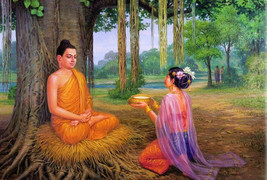
Some of us are addicted to iced milk coffee, others are loyal to a bowl of rare beef pho, and some are so obsessed with sweets that they can't live without them. So, did the Buddha ever "like" any particular food?
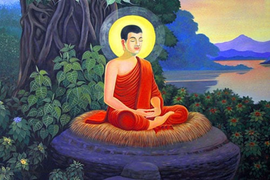
People usually picture the Buddha sitting motionless in meditation on a lotus pedestal, with a compassionate gaze and a serene smile, but few imagine him... clutching his stomach in pain.
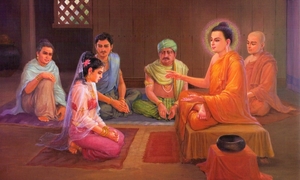
That day, many wealthy merchants and nobles invited the Buddha to their homes for a meal, but he accepted the invitation of Padmasambhava, a famous courtesan in the city of Vesali.
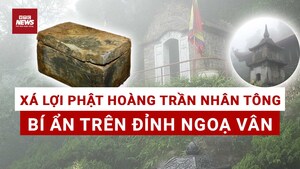
In 2017, scientists discovered a box containing a portion of the relics of Emperor Tran Nhan Tong at Ngoa Van peak (Quang Ninh).
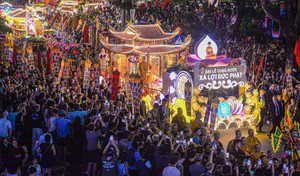
When venerating relics, people do not ask for anything mystical, but rather express their reverence, reminding themselves to live better, more virtuous lives, as the Buddha taught.