


 Hotline: 0855.911.911
  RSS
RSS 





Last weekend, Dang Tuan Anh (28 years old - a manager at a movie theater in Hanoi) developed symptoms of sore throat, cough, a fever of 39 degrees Celsius, and loss of appetite. He thought he had a common cold due to the change in weather, so he bought some fever-reducing medicine to take.
I'm fed up with getting COVID-19 so many times.
Tuan Anh's symptoms did not improve; in fact, they worsened. He had a sore throat, difficulty swallowing, constant chills, and fatigue. He bought a SARS-CoV-2 test kit to try it out.
"I was shocked when the test showed two dark lines. This was the third time I had contracted COVID-19."Tuan Anh said with a sigh of frustration, asserting that he always wears a mask when interacting with customers at the movie theater and is unsure of the source of his infection."
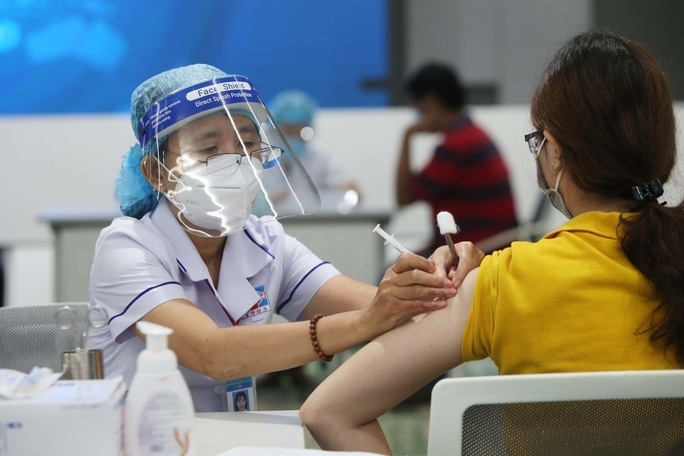
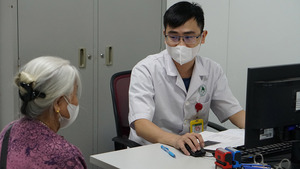
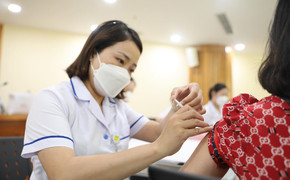
Many people are fed up with testing positive for SARS-CoV-2 two or three times. (Illustrative image: nld.com.vn)
Having learned from previous infections, he proactively requested time off from work, self-isolated at home, and informed his workplace to prevent the spread of the disease. This third COVID-19 infection did not have symptoms as severe as the previous two, but Tuan Anh was fed up with having to stay home in isolation, causing work disruptions and affecting many people.
"I also regularly follow information about COVID-19 on online groups. Most people who get infected 3 or 4 times have mild symptoms like a common flu or fever, which are not a cause for concern. I hope to get a negative result soon so I can go back to work." he said.
Like Tuan Anh, Nguyen Thi Lien (29 years old, Hanoi) also experienced a second COVID-19 reinfection after a high fever and body aches.
Her job involves frequent travel and contact with many people. However, she had long since stopped paying attention to COVID-19, so she neglected the habit of wearing masks and sanitizing her hands. She was complacent because the vast majority of customers and people around her had received 3 to 4 doses of the vaccine.
"Right now there's an outbreak of influenza A and B, and also dengue fever. I've had four doses of the vaccine, so I think I probably have the flu." Ms. Lien said she continued going to work and interacting with people as usual. It was only when a colleague mentioned their child contracting COVID-19 and the number of cases rising again that she bought a test kit.
Despite knowing she had COVID-19, Ms. Lien only stayed home until her fever subsided and continued to go to work as usual.
Prioritize vaccination to protect high-risk groups.
Mr. Tran Dac Phu, senior advisor at the Vietnam Center for Emergency Response to Public Health Events, explained that the increase in COVID-19 cases may be due to a decrease in immunity among people who have been vaccinated or previously infected. In addition, the changing weather conditions create favorable conditions for the virus to thrive, while many people are neglecting to wear masks.
"The virus hasn't disappeared; it still exists and is spreading within the community.""Mr. Phu said, asserting that the actual number of infections is higher than the information released by the Ministry of Health. The reason is that many people have COVID-19 symptoms but do not get tested, or test positive but self-treat at home."
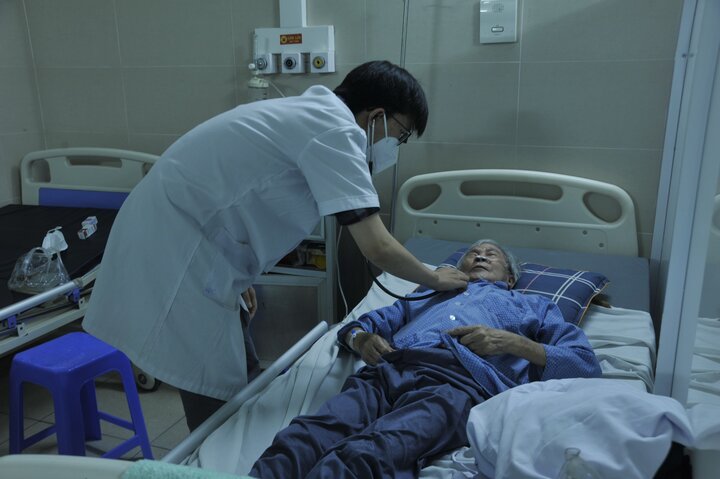
Experts recommend that older adults (65 years and older) and those with underlying health conditions should receive annual booster shots of the COVID-19 vaccine to strengthen their immunity.
According to statistics from the Ministry of Health, the number of people infected with COVID-19 has increased since the beginning of April 2023. From April 1st to April 7th, there were 278 cases per week, with a severe/infectious rate of 1,4%. From April 8th to April 14th, this increased to 2.000 cases, with some patients showing signs of becoming seriously ill.
The Department of Preventive Medicine recommends that provinces and cities strengthen the review of epidemic levels and clearly announce them so that people are aware and can take preventive measures. To prevent COVID-19 from affecting people's lives, it is necessary to focus on protecting high-risk groups such as the elderly, pregnant women, people with underlying diseases, those with weakened immune systems, and frontline healthcare workers. This will help avoid overwhelming the healthcare system.
The World Health Organization assesses that most people who have been vaccinated or have previously been infected have immunity—either from the vaccine or from the infection itself. This is what makes cases of the disease milder, with few or no symptoms.
According to the new recommendations, priority should be given to vaccinating high-risk groups (the elderly, people with underlying diseases, immunocompromised individuals, and pregnant women) because if the immunity of these groups is weakened, it can easily lead to worsening conditions, hospitalization, and death.
According to the Ministry of Health, on April 18th, Vietnam recorded 1.522 new COVID-19 cases, an increase of 491 cases compared to the previous day. This is also the highest number of cases recorded in a single day since the beginning of the year. 102 patients are currently receiving oxygen, including 79 receiving oxygen via masks, 9 receiving high-flow non-invasive ventilation (HFNC), and 14 receiving invasive mechanical ventilation. Vietnam did not record any additional COVID-19 deaths.
According to the Ministry of Health's assessment, the number of COVID-19 cases may increase in the coming period. However, Vietnam is currently at level 1 of the epidemic (green), corresponding to a low risk. Nevertheless, localities still need to remain vigilant and not be complacent in order to take timely measures to respond to COVID-19.


 Comment