

 Hotline: 0855.911.911
  RSS
RSS 





According to Clause 1, Article 3 of Circular 22/2015/TT-NHNN, a check is a valuable document issued by the drawer, ordering the drawee to withdraw a certain amount of money from their payment account to pay the beneficiary.
A check can be understood as a means of payment issued by a checkmaker using a pre-printed form, instructing a bank or payment institution to pay a certain amount of money to the beneficiary named on the check.
Characteristics of checks
The Czech Republic has several notable characteristics, as follows:
- It has a time limit: A check is only valid for monetary gain or payment if its validity period has not expired. The validity period of a check, as indicated on the check itself, depends on the geographical area in which the check is circulated and the laws of the respective countries.
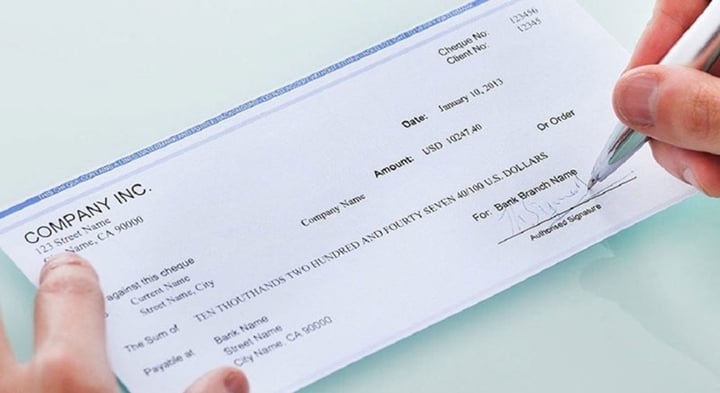
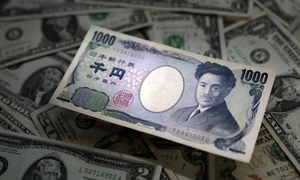
Checks are a widely used payment method. (Illustrative image)
- A check can be transferred to multiple people consecutively by endorsement within its validity period.
- It is a form of cashless payment.A check is a non-cash payment method that allows the check writer to transfer money to the recipient without paying in cash. Instead of paying in cash or making a transfer, the check writer sends a financial document to the recipient, who can then take the check to the bank to collect the money.
- Mandatory: The bank receiving the check must accept the order unless the account issuing the check has no funds or the check is not legally valid.
- Completeness: A check must contain complete and legally valid information to be accepted. This information includes: the location, date of issue, information of the issuer, and information of the beneficiary. If it is a business or organization, it must have the signature of the account holder, the chief accountant, and the company seal.
- Consistency: Checks are printed on both sides; the front contains the required information, and the back contains the transfer information.
Check classification
Checks are classified in several ways, but the most common ones today include the following three:
Based on transferability
- Anonymous Czech: This type of check does not specify the name of the beneficiary, so whoever holds the check is considered the beneficiary.
- Czech Republic specifically namedThe check must clearly state the name and address of the beneficiary.
- Order check: This type of check states that it is to be paid to the order of the beneficiary.
Classification by payment method
- Cash checkThis type of check is used to withdraw cash at the bank.
- Bank transfer checkA check is used in bank transfer payments by debiting the payer's account and transferring the money to the beneficiary's account.
Based on the requirements to ensure security in check payments.
- Plain glassWith the back completely blank, this check can be cashed by the bank.
- Crossed check: The back is marked with two parallel diagonal lines. The purpose of the diagonal lines is to prevent cash withdrawals and to allow bank transfers instead.
- Special crossed check: The front or back of the check must have two parallel diagonal lines drawn across it, with the name of the bank or its branch between the lines. This check can only be deposited at the bank or branch indicated on it.



 Comment