


 Hotline: 0855.911.911
  RSS
RSS 


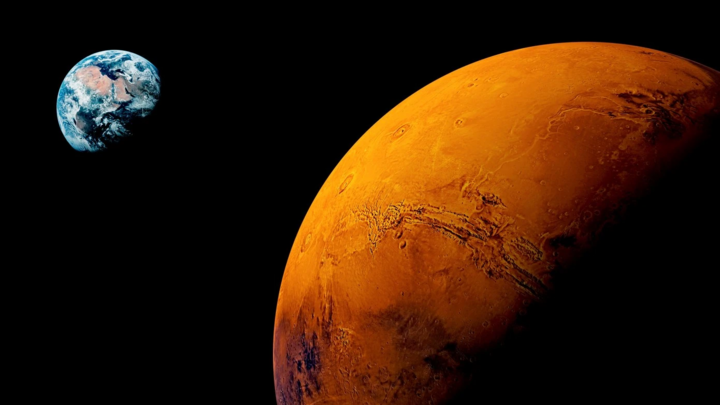
The race to Mars: Will humans or humanoid robots make it to Mars first?
The rapid development of artificial intelligence is sparking a competition for who will be the first to set foot on the Red Planet.





The rapid development of artificial intelligence is sparking a competition for who will be the first to set foot on the Red Planet.
 1
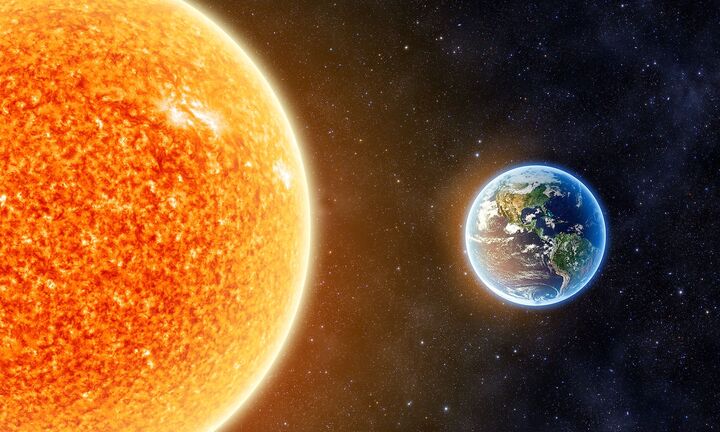
1Contrary to science fiction scenarios, Earth will remain warm for millions of years thanks to its vast remaining heat reservoir.
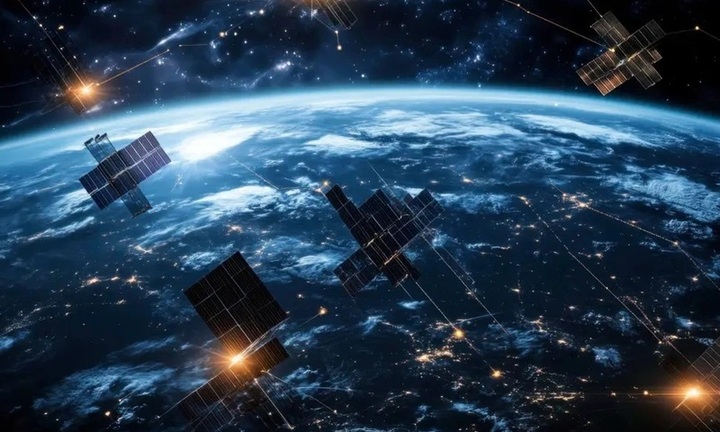
A Chinese research team has proposed a system for controlling high-speed trains using low-orbit satellites, hoping to improve safety and operational capabilities in the face of natural disasters.
 4
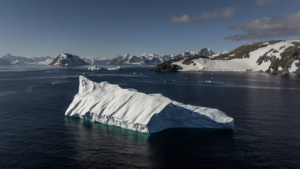
4 A massive sea ice mass in West Antarctica has failed to refreeze, triggering a global climate disaster red alert.
 1
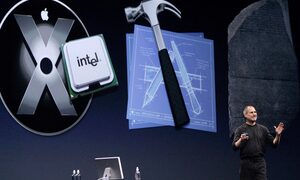
1 Few people know that, before Apple officially partnered with Intel, an engineer quietly paved the way for this historic shift simply because he wanted to work from home.
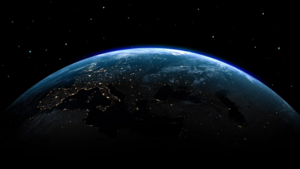
Based on statistical models and probability laws, mathematicians have made a startling prediction about when human civilization will end.
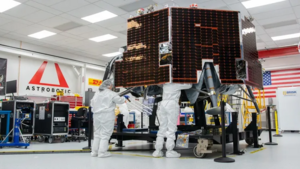
The Griffin lunar lander was chosen as the vehicle to pave the way for NASA's plan to build a permanent base on the Moon.
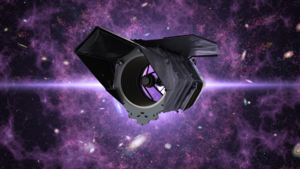
NASA has launched a program allowing users to send their names to the Nancy Grace Roman telescope, scheduled for launch on August 30th, to explore the mysteries of the universe.
 0
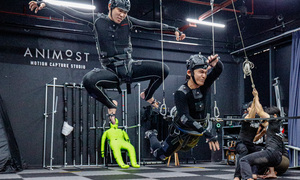
0 Although not directly visible, the motion capture team works tirelessly on their mission to transform real movements into "life" for 3D characters.
 0
0 Once considered a risky startup, SpaceX is now poised to deliver multi-million dollar fortunes to thousands of loyal employees.
 0
0 Elon Musk is predicted to become the first person in the world to possess a net worth exceeding $1.000 trillion following SpaceX's initial public offering (IPO).
 0
0 Google replaced its homepage Doodle with an image of an artistic volley, celebrating the biggest football event on the planet, the FIFA World Cup 2026.
 0
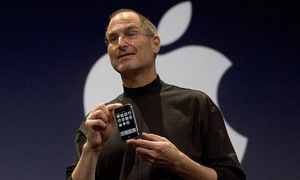
0 Steve Jobs is considered one of the most influential figures in the history of modern technology.
 0
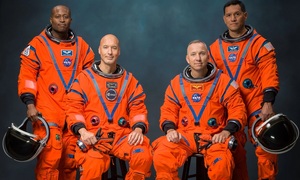
0 NASA announced the Artemis III crew, a mission scheduled for 2027 to test technology for future lunar landings.
 0
0 Despite being a fundamental force of nature, gravity remains difficult to measure precisely, challenging scientists for centuries.
 0
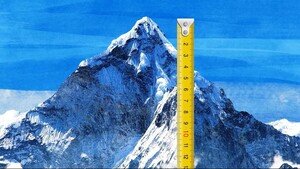
0 Despite holding the title of the highest mountain above sea level, Everest's actual height has always been a subject of debate, with unexpected variations over time.
 0
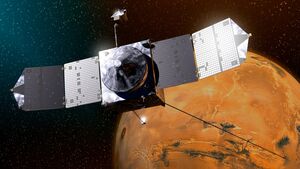
0 NASA officially ended the MAVEN mission to Mars after the spacecraft lost power during a mysterious rotational event in December 2025.
 0
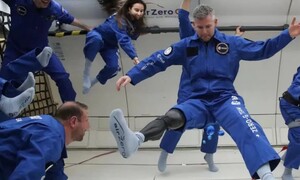
0 John McFall, a former British Paralympic athlete, is on track to become the first disabled astronaut to work in space.
 0
0 Lying prone, with the body pressed against a cool surface, is a natural mechanism that helps organisms regulate their body temperature effectively through the principle of physical heat conduction.
 0
0 Blue Origin's New Glenn rocket exploded on the launch pad during engine testing, highlighting the major challenges in the race to return humans to the Moon.
 0
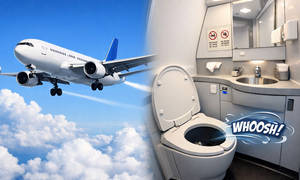
0 Behind the distinctive "whoosh" sound of an airplane toilet lies a complex air-pressure operating system that saves hundreds of liters of water and fuel.
 0
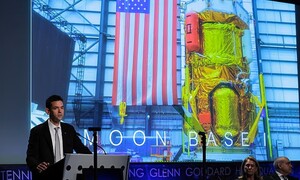
0 NASA hopes to build a permanent base the size of a city on the Moon.
 0
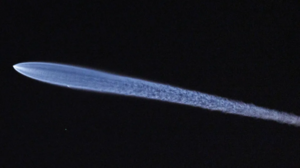
0 The upper stage of the Falcon 9 rocket is predicted to crash onto the surface of the Moon this August, raising alarm bells about the reality of space debris.
 0
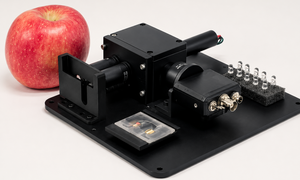
0 Chinese scientists have miniaturized a cancer detector from the size of a refrigerator to fit in the palm of your hand, opening up the possibility of future home cancer testing.
 0
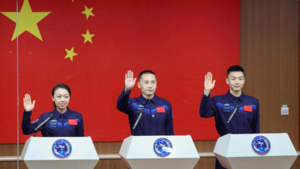
0 On May 24, China launched the Shenzhou-23 spacecraft carrying three astronauts to the Tiangong space station, including the first one from Hong Kong.
 0
0 The Shenzhou-23 spacecraft is preparing to carry a crew on a record-breaking one-year mission to study human physiology in support of the ambitious lunar landing.
 0
0 The Hotan River is famous for its large reserves of natural jade, which sparked a craze for hunting and mining in China for many years.
 0
0 New research reveals that bipedal locomotion and asymmetrical brain development are key reasons why most humans are right-handed.
 0
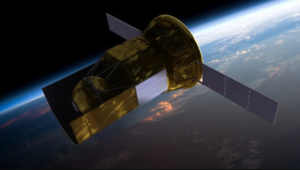
0 NASA is preparing to test space refueling technology, paving the way for missions to the Moon and Mars.
 0
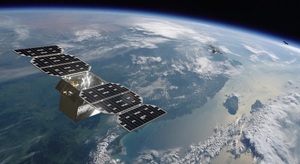
0 The idea of sending AI data centers into space, once considered far-fetched, is now becoming a new technological race between the US and China.
 0
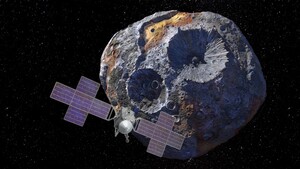
0 The Psyche spacecraft recently approached Mars at a distance of 4.500 km, using gravity to accelerate towards the asteroid belt.
 0
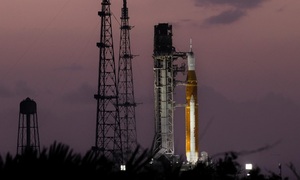
0 Artemis III was a crucial stepping stone to landing humans on the Moon in the Artemis IV mission.
 0
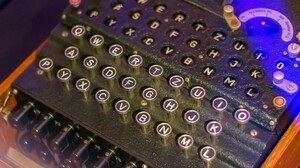
0 Many technologies, such as AI, virtual reality, and cloud computing, were actually laid the groundwork decades before they exploded in the current digital age.
 0
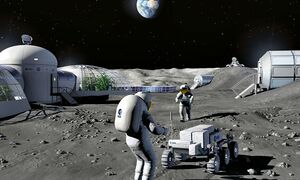
0 NASA and SpaceX aim to build a base on the Moon within the next 10 years, but scientists believe humanity is not yet truly ready.
 0
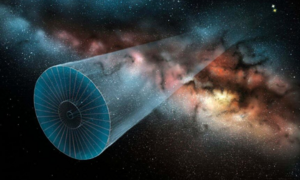
0 Scientists have successfully developed a microscopic device capable of flight and navigation entirely using laser light, opening up the prospect of interstellar travel.
 0
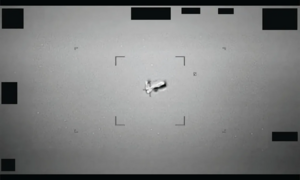
0 The U.S. government has begun releasing a series of declassified documents on UFOs, opening up opportunities to use real-world data to decipher anomalous phenomena that have been occurring for decades.
 0
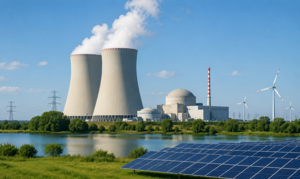
0 Nuclear power is considered a stable, low-emission energy source that can support AI operations, data centers, and high-tech industries.
 0
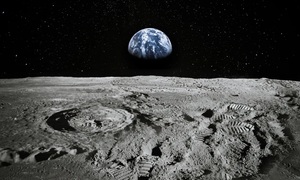
0 NASA is developing a new testing system that can simulate the frigid environment of -233°C on the Moon to test materials for future space missions.