


 Hotline: 0855.911.911
  RSS
RSS 





On June 1st, Bach Mai Hospital (Hanoi) announced that it was treating two malaria patients who had returned from Angola. Following this, on May 4th, the Ho Chi Minh City Hospital for Tropical Diseases confirmed that it was treating two dengue fever patients who had recently returned from Africa. One patient is a 63-year-old male who returned from Ivory Coast (West Africa), and the second is a 24-year-old female student who returned from Cameroon (Central Africa).
The recent surge in malaria cases has caused widespread anxiety among the public. However, Dr. Truong Huu Khanh, advisor to the Infectious Diseases Department at Children's Hospital 1 (Ho Chi Minh City), stated: "Malaria can be transmitted from person to person through the Anopheles mosquito. However, people don't need to worry too much because this type of mosquito is usually only found in mountainous and forested areas. And to date, very few people in Vietnam have contracted malaria. So people don't need to panic or worry too much about these rare cases."
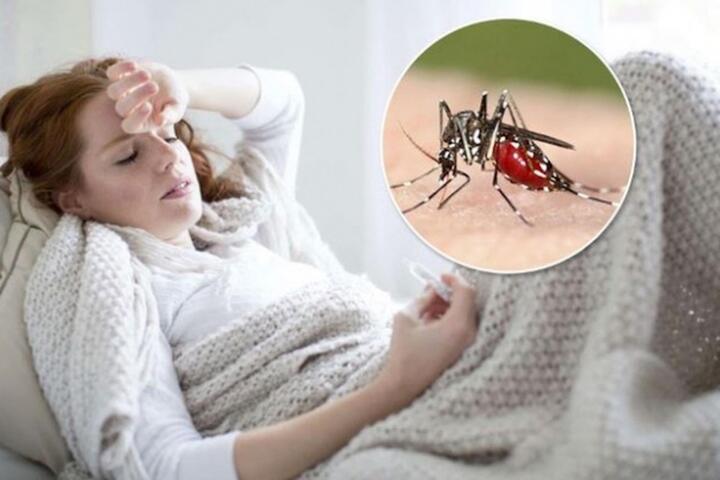
People don't need to be overly concerned about the recent malaria cases; the real cause for concern now is dengue fever.
Over the years, malaria in Vietnam has been fairly successfully controlled thanks to effective prevention programs at the local level. Malaria medication has also been adequately supplied for treatment, resulting in a significant reduction in malaria incidence and mortality rates, now only occurring in some provinces in the Central Highlands and the South.
If a patient lives in or has traveled from a country with an outbreak, such as Laos, Cambodia, Africa, mountainous or mangrove areas, or areas where malaria is endemic like Binh Phuoc or the Central Highlands, and exhibits symptoms such as fever, the risk of malaria infection should be considered first. Doctors need to carefully investigate the epidemiological factors of suspected malaria cases to avoid misdiagnosis or overlooking the disease.
According to Dr. Ho Dang Trung Nghia, Head of the Infectious Diseases Department at the Vietnam-UK Hospital for Tropical Diseases in Ho Chi Minh City, malaria is a rare disease, so cases are often detected late. Furthermore, the symptoms are easily confused with other diseases such as dengue fever and other increasingly common infections.
It is important to distinguish between the symptoms of dengue fever and malaria. Dengue fever is caused by four types of viruses. Patients will experience a sudden onset of fever, fever lasting for several days, fever that persists even after taking fever-reducing medication, fatigue, headache, eye pain, nausea, diarrhea, etc.
Malaria, on the other hand, is caused by the Plasmodium parasite. A typical malaria attack will have symptoms such as chills, high fever, and sweating. Patients will experience fever 1-2 times a day, depending on the type of parasite. Patients will feel fatigued after each fever episode, and if not detected and treated promptly, the disease can be fatal.
Currently, the disease can be diagnosed by detecting Plasmodium parasites in peripheral blood and through rapid diagnostic tests.
According to the Ho Chi Minh City Center for Disease Control (HCDC), malaria is an acute febrile disease caused by the Plasmodium parasite, transmitted to humans through the bite of Anopheles mosquitoes. Malaria is a preventable and treatable disease. However, it continues to impact the health and livelihoods of people worldwide. According to the World Health Organization (WHO), an estimated 241 million new cases of malaria and 627.000 deaths from malaria occurred in 85 countries in 2020. More than two-thirds of these deaths were among children under 5 years old living in Africa.
 Comment