


 Hotline: 0855.911.911
  RSS
RSS 


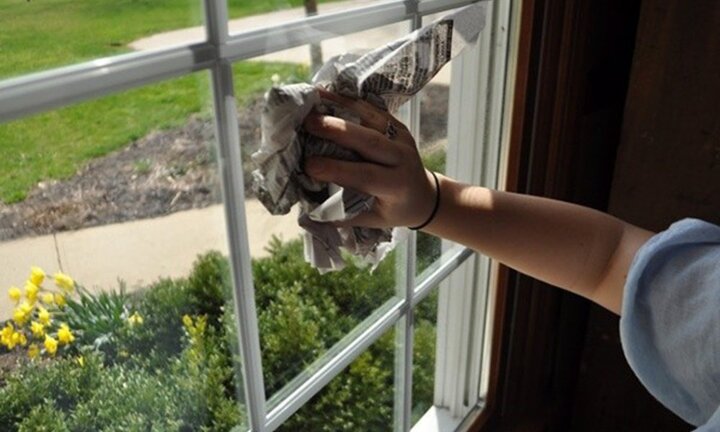
Quick and effective post-Tet house cleaning tips for housewives.
After the long Lunar New Year holiday, cleaning and reorganizing the house is always a "nightmare" for housewives.





After the long Lunar New Year holiday, cleaning and reorganizing the house is always a "nightmare" for housewives.

Trong “Vu quy đại náo”, Trang (Ngọc Trinh) và Hiền (Diệu Nhi) từng thề sẽ không để bạn ế một mình, nhưng cả hai lại khốn khổ trước sức ép lấy chồng từ gia đình.
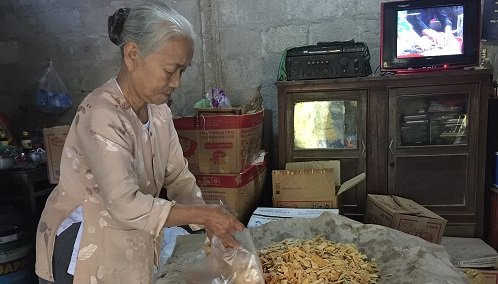
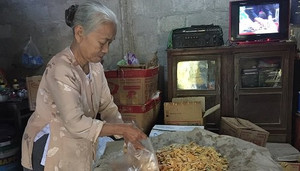
Một cụ bà suốt 50 năm qua luôn giữ bí quyết làm món mứt sắn vốn được mệnh danh là mứt Tết của nhà nghèo.
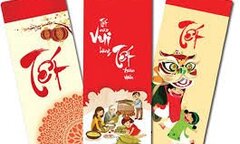
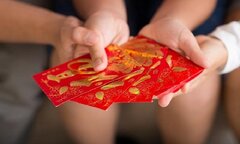
The tradition of giving lucky money during the Lunar New Year has always been a beautiful aspect of Vietnamese culture.
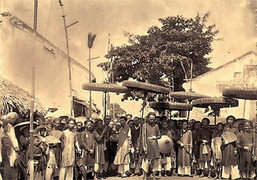
According to Western accounts, the Vietnamese Lunar New Year in the 17th century was a lively celebration with many unique pleasures after a busy year.
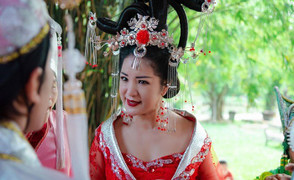
One day, like any other day at the 3D boarding house, Mrs. Lam (Minh Nhi) told her children about a strange dream that contained insidious power struggles in the royal court, and bloody conspiracies to control power.
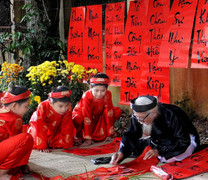
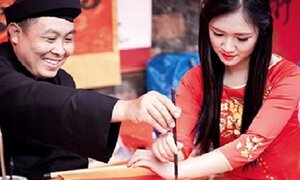
Couplets are one of the six most representative items of Tet (Lunar New Year) according to the traditional customs of the nation, expressing the homeowner's wishes for a peaceful, prosperous, and successful new year.
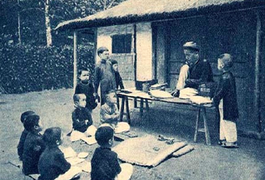
There's a Vietnamese folk saying, "On the first day of Tet, visit your father; on the second day, visit your mother; on the third day, visit your teacher," however, few people understand the origin of this special occasion.

 0
0 After the long Lunar New Year holiday, cleaning and reorganizing the house is always a "nightmare" for housewives.
 0
0 Trong “Vu quy đại náo”, Trang (Ngọc Trinh) và Hiền (Diệu Nhi) từng thề sẽ không để bạn ế một mình, nhưng cả hai lại khốn khổ trước sức ép lấy chồng từ gia đình.
 0
0 Một cụ bà suốt 50 năm qua luôn giữ bí quyết làm món mứt sắn vốn được mệnh danh là mứt Tết của nhà nghèo.
0 The tradition of giving lucky money during the Lunar New Year has always been a beautiful aspect of Vietnamese culture.
0 According to Western accounts, the Vietnamese Lunar New Year in the 17th century was a lively celebration with many unique pleasures after a busy year.
0 One day, like any other day at the 3D boarding house, Mrs. Lam (Minh Nhi) told her children about a strange dream that contained insidious power struggles in the royal court, and bloody conspiracies to control power.
0 Couplets are one of the six most representative items of Tet (Lunar New Year) according to the traditional customs of the nation, expressing the homeowner's wishes for a peaceful, prosperous, and successful new year.
0 There's a Vietnamese folk saying, "On the first day of Tet, visit your father; on the second day, visit your mother; on the third day, visit your teacher," however, few people understand the origin of this special occasion.
 0
0 Whether it's the Lunar New Year today or the Lunar New Year of the past, the custom of giving lucky money, or wishing someone a happy new year, has always been preserved and has become an indispensable cultural tradition during the Tet holiday.
 0
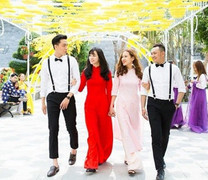
0 At the beginning of the new year, Vietnamese people have the custom of "xuat hanh" - that is, leaving the house on the first day of the year to seek good fortune for themselves and their families.
 0
0 The tradition of writing the first words of the new year has long been a beautiful cultural custom of the Vietnamese people, expressing wishes for a lucky new year, success in exams, academic progress, and a prosperous career.
 0
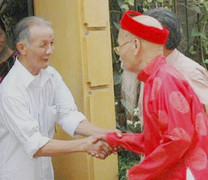
0 First-footing is one of the ancient traditions passed down through generations by our ancestors. Vietnamese people believe that this custom influences the homeowner's fortune for the entire year.
 0
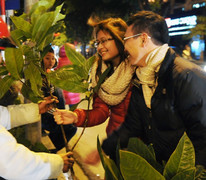
0 During New Year's Eve and Tet (Vietnamese New Year), Vietnamese people have the custom of picking lucky branches to bring good fortune in the spring and visiting temples and pagodas to ask for blessings, good fortune, and prosperity.
 0
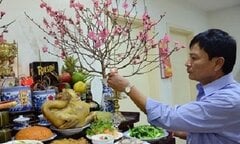
0 The New Year's Eve ceremony, or the ritual of offering sacrifices at midnight, is the most important ceremony during the Lunar New Year because people believe that any good or bad omens occurring at this moment are related to the good or bad fortune of all family members in the new year.
 0
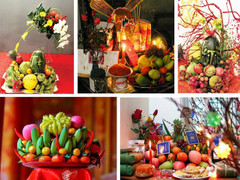
0 The five-fruit tray is an indispensable part of every Vietnamese family's altar during Tet (Lunar New Year), symbolizing the principle of remembering one's roots and showing respect to ancestors.
 0
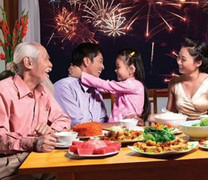
0 The year-end offering ceremony is one of the oldest customs of the Vietnamese people, marking the end of the old year and welcoming the new year.
 0
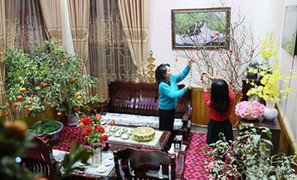
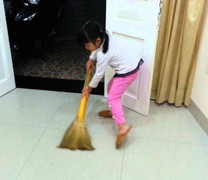
0 Cleaning the house before the Lunar New Year has long been a beautiful tradition in Vietnamese culture, signifying the closing of the old year, discarding the old to welcome a new year filled with prosperity.
 0
0 Vietnamese people believe that if they encounter many good things in the first days of the new year, they will have good luck all year, and vice versa. Therefore, there are many taboos in folklore surrounding the Lunar New Year.
 0
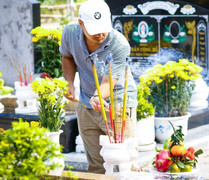
0 From the 23rd to the 30th of the twelfth lunar month, many Vietnamese families often gather together to visit and clean the graves of their ancestors, bringing incense, candles, flowers, and fruits to offer as sacrifices, inviting the spirits of their ancestors to celebrate Tet (Lunar New Year) with their descendants.
 0
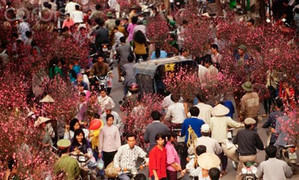
0 Going to the Tet market is a tradition that has been passed down through generations of Vietnamese people, and the Tet market always holds significant meaning in the consciousness of every Vietnamese person.
 0
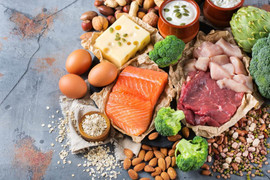
0 Invented in 1909, MSG (monosodium glutamate) is a familiar seasoning in home cooking as well as in the food processing industry, with its main function being to bring out the umami flavor (a savory taste similar to that of meat) to make dishes more delicious.
 0
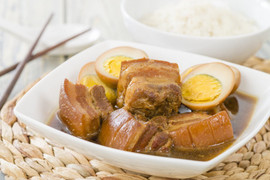
0 Tet holiday cuisine has always been a highly diverse, rich, and distinctly Vietnamese cultural feature.
 0
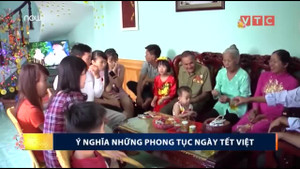
0 Tet, the Lunar New Year, is the biggest holiday of the year for Vietnamese people, with many traditional customs carrying sacred meanings that have been preserved and promoted by generations.
 0
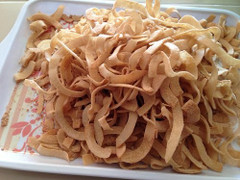
0 Coffee is one of the most popular flavors today, which is why it's often combined with other foods, such as coconut, to add variety to the Tet holiday.
 0
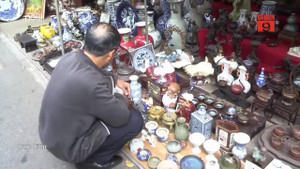
0 From the 20th day of the 12th lunar month until the afternoon of the 30th day of the 12th lunar month, a unique market, held only once a year, takes place in the heart of Hanoi's Old Quarter.
 0
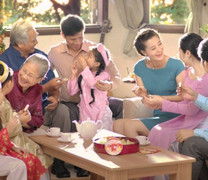
0 "Sending off the old and welcoming the new" essentially means letting go of the old and welcoming the new, bidding farewell to the difficulties and hardships of the past year and making room for good fortune and blessings to come in the new year.
 0
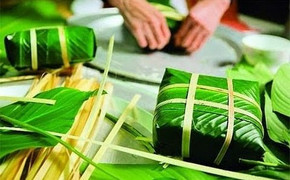
0 Making banh chung and banh day (traditional Vietnamese rice cakes) for Tet (Lunar New Year) is a beautiful and long-standing custom, reflecting many aspects of life and expressing the Vietnamese people's worldview and philosophy of life.
 0
0 These days, in Cau Bang village (Thai Binh province), known for its sticky rice cakes, every household is busy preparing to meet the demand for Tet sticky rice cakes from other families.
 0
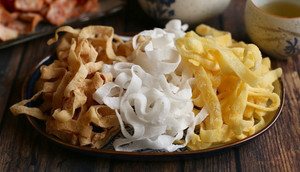
0 Instructions on how to make chewy, rich, and sweet coconut jam to add a delicious and beautiful touch to your Lunar New Year candy platter.
 0
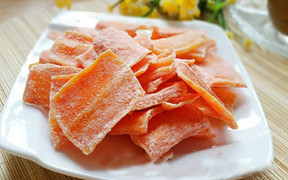
0 Mứt cà rốt là một trong những món ngon không thể thiếu trong ngày Tết cổ truyền với màu cam hấp dẫn biểu tượng cho sự giàu sang và phú quý.