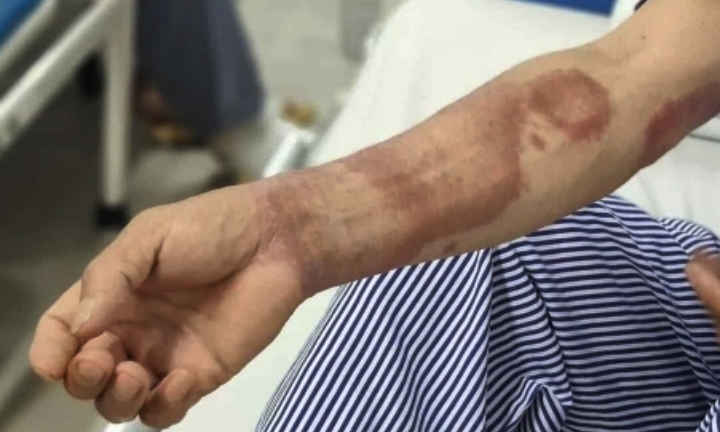
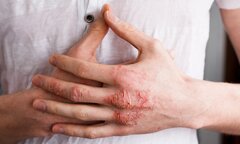
The father and son had discolored skin patches for three years without knowing the cause, until a mobile medical team came to conduct examinations and discovered they both had multi-bacteriological leprosy.
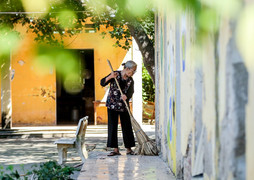
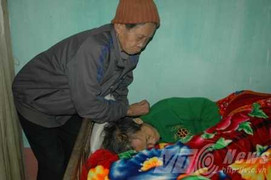
Bà Nguyễn Thị Sợi (78 tuổi, quê Vĩnh Phúc) là một trong số những người đầu tiên đến ở và điều trị tại trại phong Đá Bạc và cũng là người cuối cùng ở lại đây.
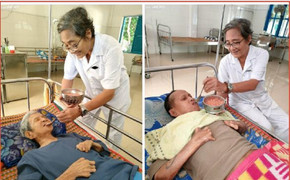
Over 100 patients who died at the leprosy village, including those who went fishing, were swept away by waves, and whose bodies were later found, were all washed and prepared for burial by nurse Tâm herself.
Mrs. Muoi entered the Quy Hoa leprosy village (Binh Dinh province) at the age of 13, then got married and had children. To this day, four generations live together in her small house.
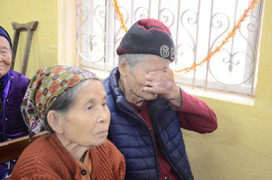
Every time Tet (Lunar New Year) comes around, people suffering from leprosy rely on each other, showing love and support for one another in their "common home" in Ba Sao, Kim Bang district, Ha Nam province.
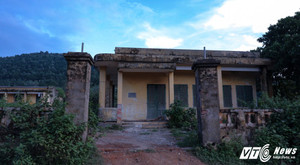
Từng là nơi ăn, ở, chữa bệnh của hơn 100 bệnh nhân bệnh phong, vậy mà giờ đây trại phong Đá Bạc (Sóc Sơn, Hà Nội) chỉ còn là những căn nhà bỏ hoang và thấp thoáng trong đó là những số phận cô đơn, lẻ bóng, sống để chờ chết.





 Hotline: 0855.911.911
  RSS
RSS