Experts say that as people's education levels rise, amulets and charms become less "effective," and that making and using amulets for traditional cultural practices, without ulterior motives, is "acceptable."
Despite being shrouded in mystery, stories about "love spells" are still circulating in some mountainous areas of northern Vietnam, and many people still believe in them.
Defendant Vu Thi Tam was sentenced to 13 years in prison by the Ho Chi Minh City People's Court for defrauding her cousin of 24,5 billion VND to hire a traditional healer in Thailand to "remove a love spell".
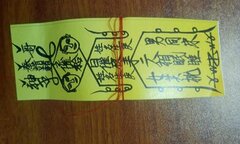
Truong and his accomplices searched online for images related to "love spells," then printed them in color to deceive many people, swindling 2,7 billion VND.
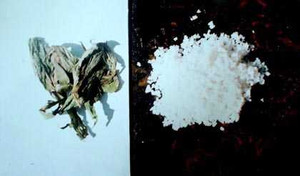
After receiving over 1 billion VND, "Master" Hoa gave Ms. K. three bottles of liquid taken from the bottom of a grave, mixed with the ashes of a black dog and used coffin, and instructed her to give it to her husband to drink.
Casting spells online may sound unbelievable, but it's actually happening in Romania, one of the few countries that recognizes witchcraft as a legal profession.
Looking back at the products released in Vietnamese showbiz since the beginning of May, some things that seemed like they were going to be popular turned out to be less than expected.
The amulets and charms are so mysterious that science finds it difficult to explain their truth or falsehood, but it is known that in the Muong region of Hoa Binh province, they are so prevalent that almost every hamlet and commune has them.
Khoa's family found his lifeless body beside Yen's grave, located high up on a remote mountainside, when they went up to offer incense on the hundredth day after their marriage. They were lovers who had sworn an oath of love with a magic spell.
Many ugly girls, those with squints, even those with deformed hands and feet, or who walk with a limp, still manage to marry handsome, wealthy husbands.





 Hotline: 0855.911.911
  RSS
RSS