



 Hotline: 0855.911.911
  RSS
RSS 

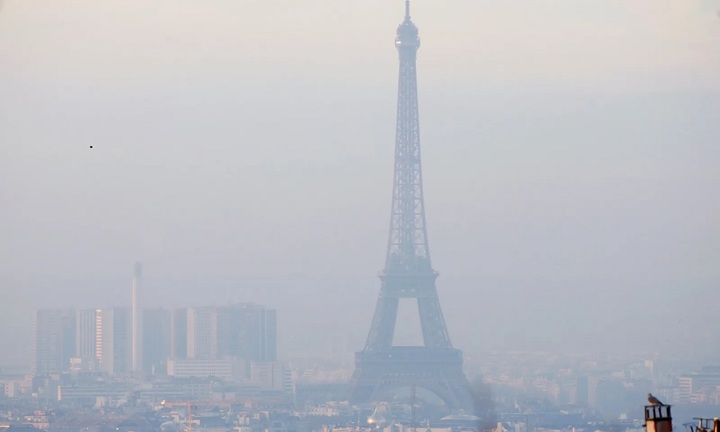
Only 13 countries have clean air.
According to the latest World Air Quality Report published by IQAir, only 13 countries globally will meet safe air quality standards by 2025.





According to the latest World Air Quality Report published by IQAir, only 13 countries globally will meet safe air quality standards by 2025.
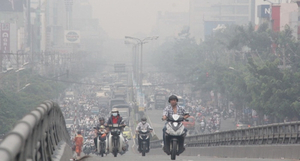
The National Remote Sensing Agency has identified approximately 110 high-risk dust-related areas (open burning, construction site dust) causing air pollution in Hanoi.
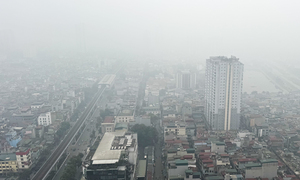
On the morning of February 5th, Hanoi ranked second in the world for air pollution, with a hazy sky and fine dust, and many areas recording very poor AQI levels.
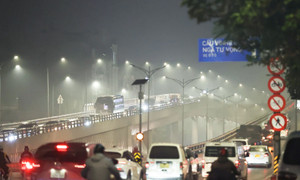
Air pollution has returned, leaving Hanoi's skies hazy from morning till night, with many major roads shrouded in a thick layer of fine dust.
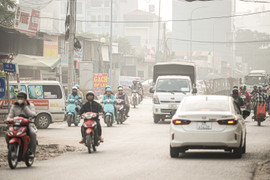
After two days of improvement, air quality in Hanoi has deteriorated again, with many areas recording AQI levels rising to poor, posing a potential health risk.
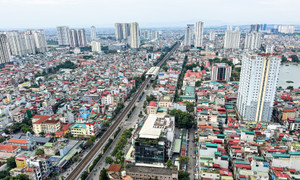
Under the influence of cold rain and northeasterly winds, Hanoi's air quality improved significantly, with the AQI index dropping to a good level and the sky unusually clear after many days of pollution.
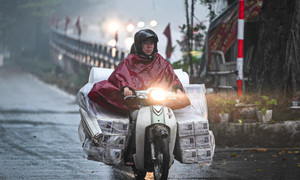
On the morning of December 13th, Hanoi was covered in thick fog accompanied by fine dust, limiting visibility and resulting in poor air quality. People venturing outside had to endure both the cold and the pollution.
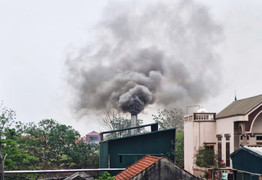
Hanoi is experiencing severe pollution these days, as the smoke from factories hasn't even dissipated before the smoke from burning straw blankets the city, making the air even more suffocating.
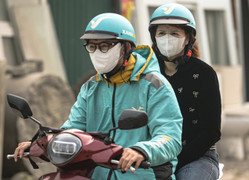
Hanoi is experiencing severe air pollution, with PM2.5 levels reaching 174 µg/m³. Experts warn that breathing in the air outdoors these days is as harmful as smoking 2-8 cigarettes.
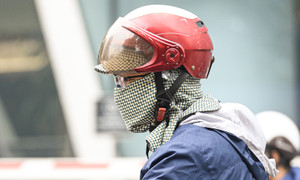
This morning, the air quality index (AQI) in Hanoi reached 281, classified as very bad and the third most polluted in the world, requiring people to wear face masks when going outside.
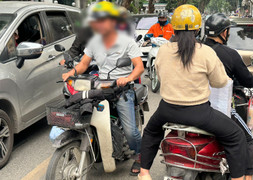
For several consecutive days at the end of the year, Hanoi was shrouded in a hazy atmosphere, with traffic contributing a significant portion of the pollution.
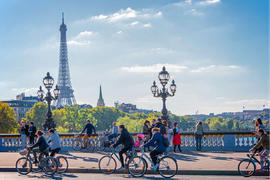
Alongside cities struggling to cope with air pollution, there are also many cities that have successfully reclaimed their blue skies.
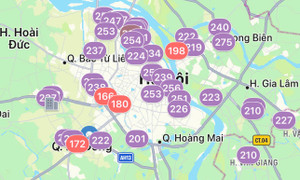
On the morning of December 11th, Hanoi's air quality deteriorated to very poor levels, with many areas simultaneously reaching the purple threshold (201-300), posing a health risk to residents.
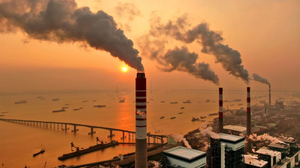
China and Europe are leading the carbon emissions reduction revolution through a variety of innovative and decisive strategies.

Although joggers in Hanoi thought running at night would help them avoid pollution, they still inhaled thick layers of fine dust, leading to chest pain, persistent coughing, and forcing them to stop exercising.

Worsening air pollution is causing millions of people to inhale fine particulate matter that penetrates their lungs and enters their bloodstream, silently increasing their risk of stroke and cardiovascular disease.
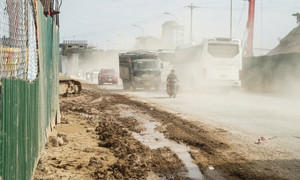
Despite being required to use protective coverings during construction, many projects are still carried out carelessly, allowing dust and materials to spread into the environment, exacerbating air pollution.

Air pollution is warned by experts as a dangerous carcinogen, as ultrafine dust particles can penetrate deep into the lungs and disrupt the immune system.
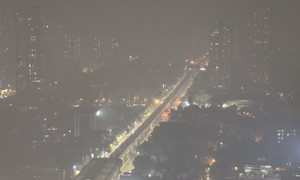
Tonight (December 7th), Hanoi experienced severe pollution, with PM2.5 levels exceeding WHO's recommended standard by 35 times, and an AQI of 231, ranking it the worst air pollution city in the world.

Severe pollution in Hanoi caused a young woman's entire face to become red and irritated, forcing her to seek medical attention as her skin continuously "burned up" even after she stopped wearing makeup and using all cosmetics.
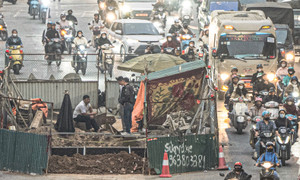
Numerous construction barriers have appeared densely on the streets, narrowing the road surface, forcing vehicles to move slowly, and constantly facing the risk of traffic congestion during rush hour.
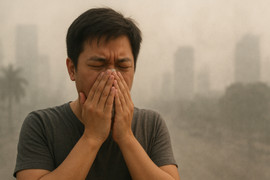
Air pollution is silently attacking people of all ages as PM2.5 fine particulate matter infiltrates the lungs, bloodstream, and organs.

PM2.5 fine dust pollution has caused Hanoi to exceed safe levels at many times, affecting the health and quality of life of its residents.
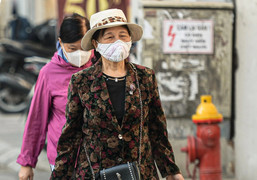
Residents face an increased risk of respiratory illnesses as Hanoi's air quality has remained poor to hazardous for several consecutive days.

Many people are experiencing coughing, insomnia, and bronchitis, showing that air pollution is silently attacking their lives.
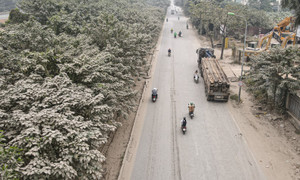
For several days now, the service road along Thang Long Boulevard (Hanoi) has been continuously covered in thick dust, with trees along the roadside blanketed in a white haze as if covered in frost, making it difficult for passersby to breathe.
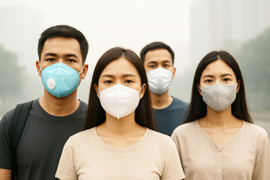
With air pollution becoming increasingly severe, many people believe that simply covering their faces with masks is enough, but according to experts, this is only a temporary solution.
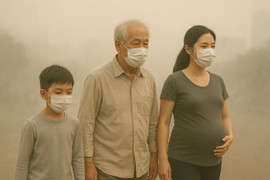
Hanoi is entering a period of severe pollution, putting many groups of people at serious risk of lung and cardiovascular problems.
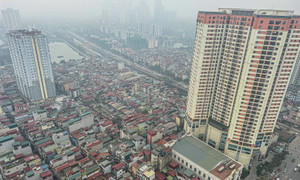
On the morning of December 3rd, the smog in Hanoi thinned thanks to the northeast monsoon, but the air quality remained at a red level, with dense fine dust, placing the city among the most polluted in the world.

When invisible fine dust particles enter the nose and throat, settling deep into the lungs, the body begins to change silently, from the respiratory tract and blood vessels to the brain.