



 Hotline: 0855.911.911
  RSS
RSS 

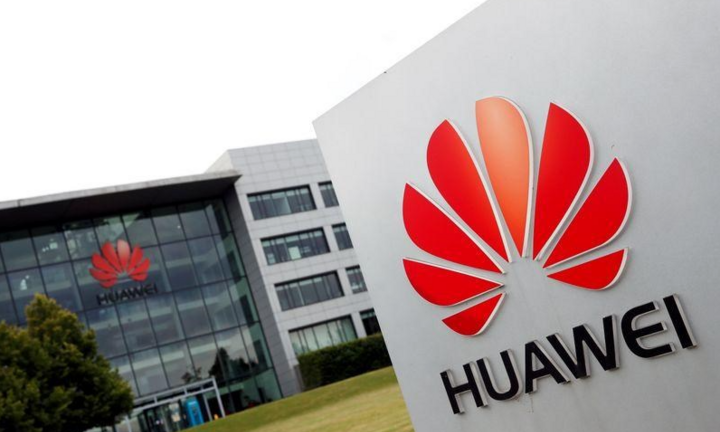
Huawei has found a way to produce 5nm chips despite US efforts to stop it.
Huawei has found a simple but potentially effective way to help China produce advanced chips despite US efforts to block it.





Huawei has found a simple but potentially effective way to help China produce advanced chips despite US efforts to block it.
Chips are essential components for understanding and processing massive amounts of data, their importance comparable to oil, and they have become the lifeblood of the economy.
The U.S. is urging allies including the Netherlands, Germany, South Korea, and Japan to further tighten restrictions on China's access to semiconductor technology.

Recently, US Commerce Secretary Gina Raimondo stated that the country needs another Science and Chip Act if it wants to lead the world in the semiconductor industry.

US Deputy Secretary of State Jose W. Fernandez believes that, with its existing advantages, Vietnam can seize opportunities to compete in the supply chain and develop the semiconductor industry.
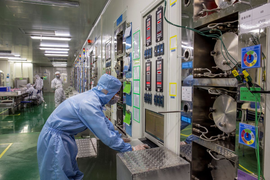
China is ramping up its production of 28-nanometer chips to reduce its reliance on imported chips amid US export controls.
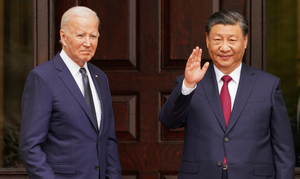
In 2024, the relationship between the US and China will continue to be turbulent, despite signs of de-escalation between the two sides at the end of 2023.

According to Reuters sources, an increasing number of Chinese semiconductor design companies are tapping into Malaysian companies to assemble a portion of their high-end chips.
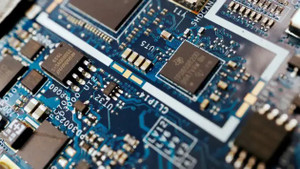
Samsung and ASML announced they will collaborate on a project to build a semiconductor processing technology development plant in South Korea worth one trillion won, equivalent to $760 million.
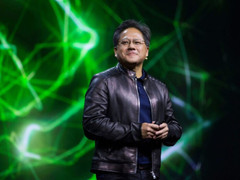
Before coming to Vietnam, CEO Jensen Huang had affirmed that Nvidia would invest in many other countries and regions.

After arriving in Vietnam, Nvidia CEO Jensen Huang went out for street food, drank coffee at Giang Cafe, and ate pho with his friends.

Early next week, the American chip giant Nvidia will hold discussions to implement a semiconductor cooperation agreement with Vietnamese technology companies and the government.
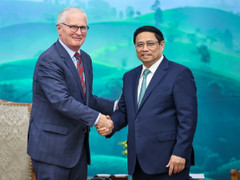
On the afternoon of December 7th, Prime Minister Pham Minh Chinh received the Chairman of the Semiconductor Industry Association of the United States and leaders of leading semiconductor companies who were visiting and working in Vietnam.

Efforts by the U.S. to impose sanctions on China's technology and semiconductor sectors are slowing down due to opposition from many major chip manufacturers.
With the launch of Huawei's new product line, Chinese media are hailing it as the "revival" of the telecommunications giant in the US-China technology race.

US Treasury Secretary Janet Yellen stated that the United States has become overly dependent on China for critical supply chains.
There are reports that the US has restricted chip exports to the Middle East due to some countries in the region having ties to China.

The European Union (EU) is planning to invest more than 100 billion euros in semiconductor development to reduce its reliance on imports.
The Biden administration plans to expand the scope of semiconductor export controls on China.
The US government is considering options to tightly control exports of sensitive technology to China.
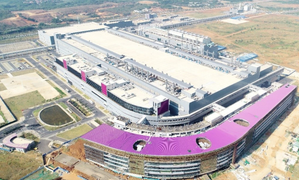
YMTC's "top secret" chip manufacturing project, aimed at using domestically produced equipment, has placed large orders with local suppliers, according to SCMP.
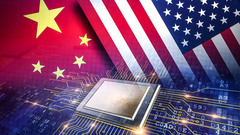
The US is assembling a coalition to ban the export of chips and semiconductors to China, but this is creating difficulties for American businesses themselves.
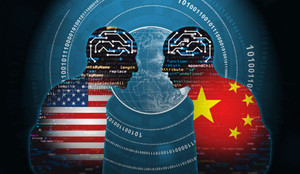
Tham vọng vượt Mỹ về kinh tế của Trung Quốc đối mặt với thách thức khi nước này thiếu chip trầm trọng trong cuộc chiến công nghệ.

China's increased imports of goods from Russia more than offset the decline in trade between Moscow and its Western trading partners.
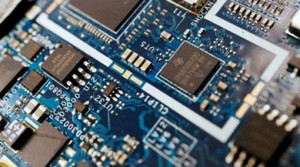
Reuters, citing sources, reported that China is planning to spend more than $143 billion to boost its domestic chip production, in order to compete with the United States.

Morris Chang, the founder of Taiwan's leading chip company TSMC, believes that globalization is nearing its end and will not return.
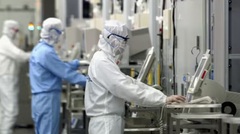
Nhật Bản đang hợp tác với Mỹ để phát triển lĩnh vực bán dẫn đầy cạnh tranh.

Supply chain disruptions in recent years have led U.S. governments to harbor ambitions of bringing manufacturing back to the country, but will this be easy?
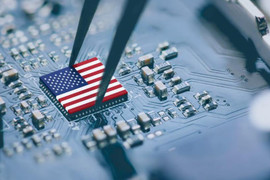
The China Semiconductor Industry Association criticized the US Science and Chip Act, saying it violates principles of fairness in the field.

Chinese professor Gang Chen is the discoverer of what is believed to be the best semiconductor material ever found.