



 Hotline: 0855.911.911
  RSS
RSS 

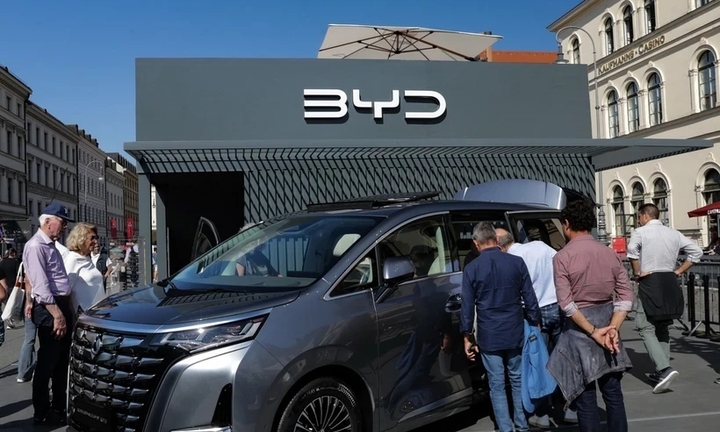
The EU imposes additional tariffs on electric cars imported from China.
The European Commission has confirmed that the EU will apply new tariffs of up to 35,3%, higher than the current 10%, on electric cars imported from China.





The European Commission has confirmed that the EU will apply new tariffs of up to 35,3%, higher than the current 10%, on electric cars imported from China.
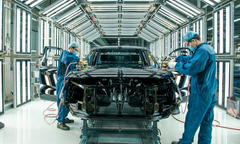
Both Toyota and Ford's proposals were rejected by the Ministry of Finance because "there are already many policies in place to support the domestic automobile manufacturing and assembly industry."
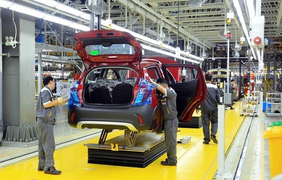
That's the assessment of Mr. Phan Dang Tuat, Chairman of the Vietnam Association of Supporting Industries (VASI), regarding the Vietnamese automotive industry.
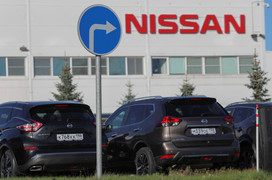
The Japanese automaker suffered a loss of $687 million in this transaction but still agreed to withdraw from the Russian market, Reuters reported on October 12.
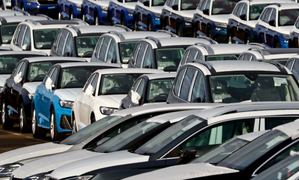
The automotive industry is already suffering negative impacts from the COVID-19 pandemic, and if this situation continues, global car sales will plummet.

Unlike the rest of the world reeling from Covid-19, China's automotive industry is recovering.
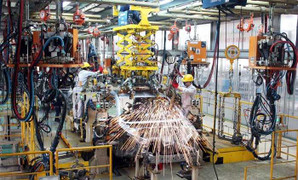
The Deputy Minister of Industry and Trade stated that the domestic automotive industry faces many difficulties in the area of supporting production and price competition.
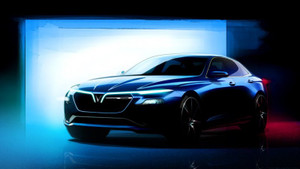
Vinfast sẽ ra mắt thị trường bằng một mẫu SUV và một mẫu sedan tại Triển lãm Paris Auto Show vào tháng 10/2018, thông tin về 2 mẫu xe này đang nhận được nhiều sự chú ý từ thế giới.
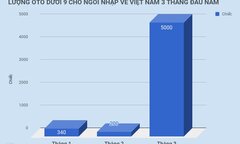
In March, the number of cars with fewer than nine seats imported into Vietnam surged; however, VAMA believes that car manufacturers are still facing difficulties and is requesting further simplification of procedures.
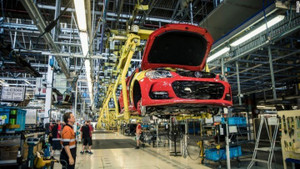
Thailand's protectionist policies for its domestic automotive industry helped the country quickly rise to the top of Southeast Asia in terms of market size and production capacity, while the Australian automotive industry has just come to an end, nearing its 70th anniversary.
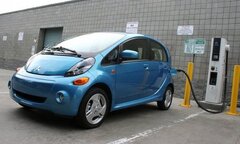
The two sides will collaborate on research into electric vehicles suitable for the current road conditions, traffic, and charging systems in our country.
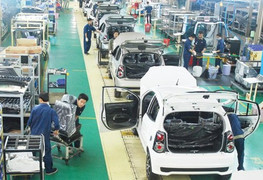
Là 1 trong 13 nước có công nghiệp ô tô hoàn thiện hàng đầu thế giới nhưng không sở hữu thương hiệu ô tô nội địa nào - nước Úc đã hoàn toàn bị động khi các hãng xe nước ngoài đóng cửa theo chính sách công ty.
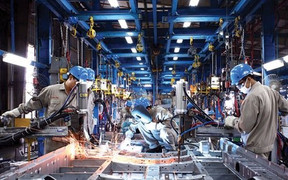
Năm 2016, kim ngạch nhập khẩu linh kiện, phụ tùng phục vụ cho lắp ráp và sửa chữa xe lên tới 3,54 tỷ USD.
Thương hiệu ô tô của Vingroup không chỉ hứa hẹn xây dựng một ngành công nghiệp cho Việt Nam mà còn mở ra cơ hội sở hữu ô tô cho người dân với giá phù hợp, đây cũng là mơ ước của nhà quản lý và người dân từ hàng chục năm nay.
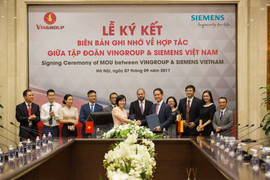
Hôm nay, tại Hà Nội, Tập đoàn Vingroup và Tập đoàn công nghệ hàng đầu của Đức - Siemens đã tiến hành lễ ký kết Biên bản ghi nhớ nhằm đẩy mạnh hợp tác công nghệ trong nhiều lĩnh vực.

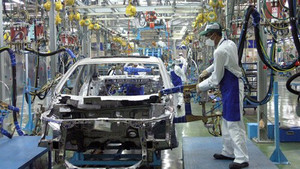
After nearly a quarter of a century under protection, Vietnam's automotive industry remains stagnant, with low localization rates, small-scale production, and product quality that does not match the price.
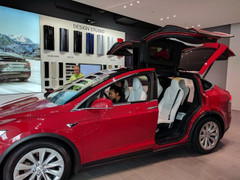
A company has proposed manufacturing Tesla electric cars in Vietnam, so could this be a new direction for Vietnam's automotive industry, which has previously faced much criticism?
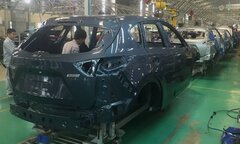
Domestic automobile manufacturers are committed to taking the lead in lowering prices to compete with imported vehicles. By 2018, the prices of domestically produced and assembled cars will be highly competitive.
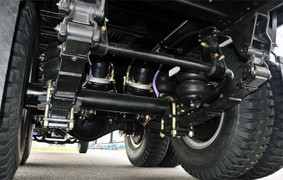
Doanh nghiệp sản xuất linh kiện ô tô trong nước đang chật vật để tồn tại khi thị trường bị hàng Trung Quốc chất lượng thấp độc chiếm.

“Chi phí sản xuất ô tô, linh kiện ô tô tại Việt Nam cao hơn 20% so với các nước trong khu vực như Thái Lan, Indonesia...
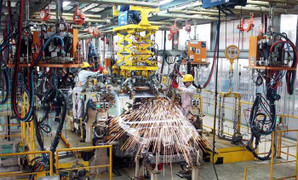
Trong khi Thái Lan và Indonesia đã thành công khi đưa ôtô giá rẻ đến với đông đảo người dân và xuất khẩu, thì tại Việt Nam ô tô vẫn là mặt hàng xa xỉ.
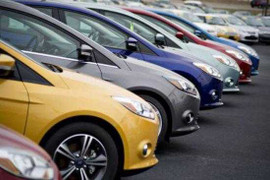
Making the production, assembly, and import of automobiles a conditional business sector, with the aim of protecting the domestic automotive industry, would make it difficult for cheap imported cars to flood into Vietnam, even if import tax rates are significantly reduced.
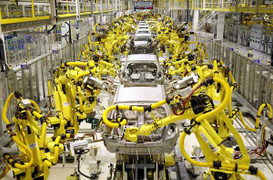
Regarding the failures of Vietnam's industry, Mr. Bui Danh Lien (Chairman of the Vietnam Transport Association) bitterly remarked: "Vietnam wants to be the best at everything, but always does the opposite..."

Although Russia is no longer the center of the global automotive market today, the cars of the Soviet era remain an indelible mark.
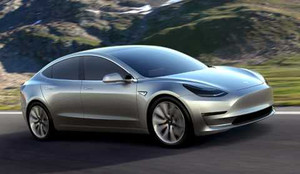
If Vietnam wants to build its automotive industry and participate in the global value chain, it must start with electric vehicles.
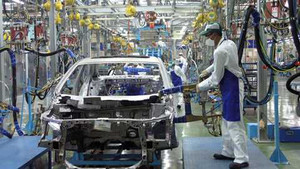
After a 17-month wait, the Government has finally issued specific mechanisms and policies for developing Vietnam's automotive industry from 2020 to 2035.
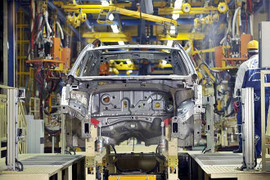
Vietnamese people will soon be able to buy cheap imported cars, but this also means that Vietnam will struggle to develop a truly domestic automotive industry.

Just as farmers have to "look at many sides" to get a good harvest of rice or potatoes, the automotive industry also has to rely on many other resources to have any hope.
Considered a pillar of industrialization, the mechanical engineering industry has failed in most of its strategic goals, its most notable achievement being leading the trade deficit.
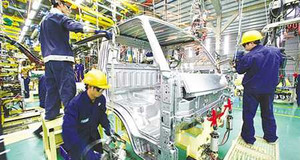
Các loại thuế đang đánh rất cao lên ô tô có thể sẽ đồng loạt giảm mạnh để thúc đẩy tiêu dùng, thu hút đầu tư phát triển ngành chế tạo ô tô ở Việt Nam.