


 Hotline: 0855.911.911
  RSS
RSS 

How to properly use the hazard warning lights on a vehicle?
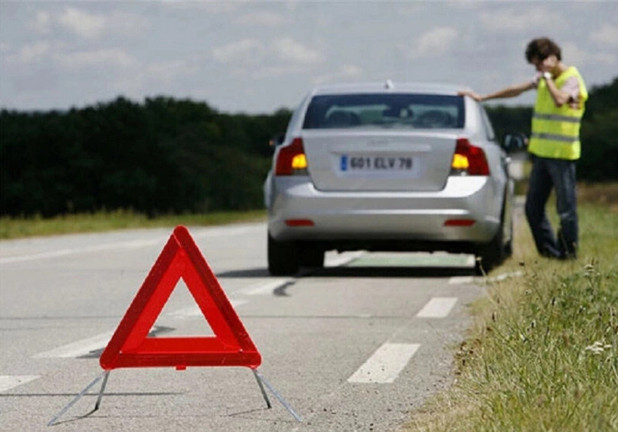
Emergency lights, also known as hazard warning lights, are only used in situations where it is necessary to warn other vehicles of danger.





Emergency lights, also known as hazard warning lights, are only used in situations where it is necessary to warn other vehicles of danger.
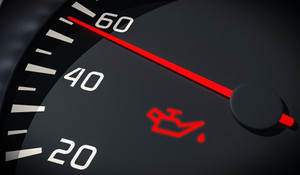
The illuminated warning lights indicate that the vehicle is experiencing a problem with a particular component, so drivers need to pay close attention.
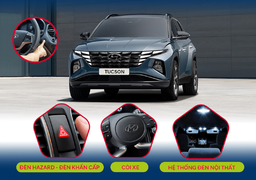
When a car is turned off, the main electrical systems typically shut down, but some functions remain on, ready to operate.
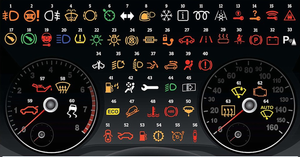
Experienced drivers can understand the vehicle's condition by looking at just three basic color indicator lights, instead of having to memorize numerous warning light symbols on the dashboard.
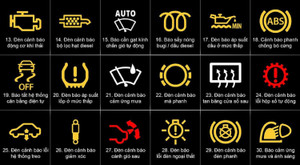
Warning signals on a car are very important for drivers to ensure the safety of both the vehicle and its occupants.
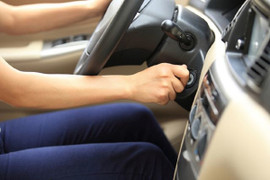
Detecting early signs of abnormalities in your car allows for timely maintenance, ensuring it always operates at its best.
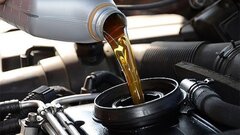
The car's oil level indicator light (Check Oil) is used to warn the user about the engine's lubrication status.
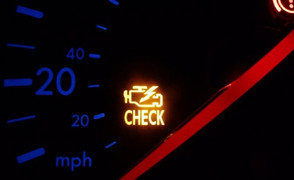
The check engine light illuminating indicates that the engine system or related components are experiencing a malfunction and require prompt attention.
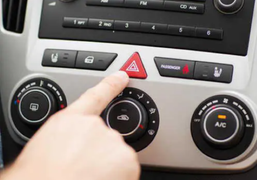
Many drivers often misuse hazard lights when driving through intersections and roundabouts, so how should hazard lights be used correctly?
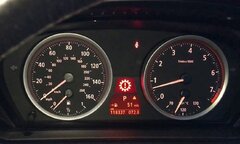
The transmission warning light unexpectedly illuminating indicates that something is wrong with the vehicle's transmission.
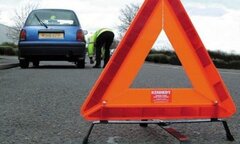
Having to stop your car on the side of the road due to a breakdown is a situation any driver can encounter. So, what should you do to ensure safety in this situation?
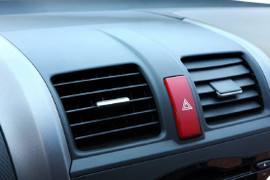
Many drivers often misuse hazard lights when driving through intersections, roundabouts, etc. So, how should hazard lights be used correctly?
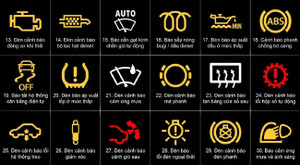
The dashboard of a car has many different warning light symbols, but not all drivers know them all, so it's important to understand these key symbols.
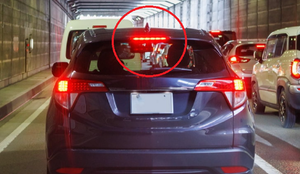
The centrally located brake lights, positioned high at the rear of the vehicle, are a mandatory safety feature that helps minimize rear-end collisions.

Japanese drivers are known for their courteous manners; when another vehicle allows them to merge into their lane, they will flash their hazard lights twice as a way of saying thank you.
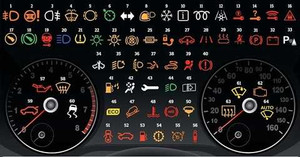
Commonly manufactured cars in Vietnam currently have around 9-12 symbols belonging to the common groups on the dashboard, while the most complete statistics show 64 types of symbols.