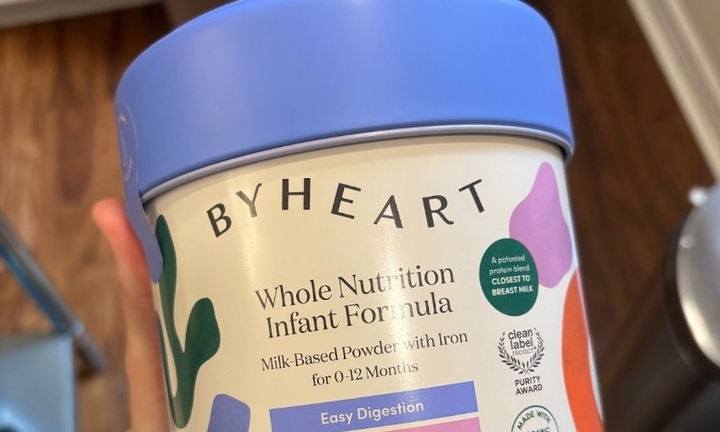
The Food Safety Administration has ordered a review and discontinuation of the use of ByHeart infant formula following botulism poisoning warnings in the US.
The Ho Chi Minh City Food Safety Management Board has just released a report on the results of nearly three months of investigation into suspected botulinum poisoning cases in Thu Duc City.
Due to a prolonged shortage of rare medications caused by a lack of suppliers, the hospital resorted to using alternative treatment protocols to meet treatment needs.
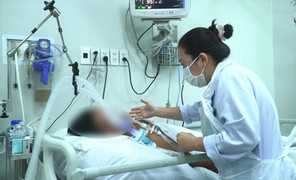
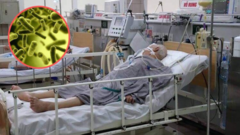
After more than a week of treatment, the 45-year-old man who suffered botulinum poisoning passed away, before he could receive the $8.000 antidote provided by the WHO as emergency aid to Vietnam.
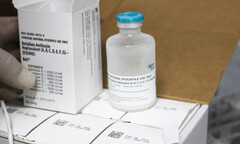
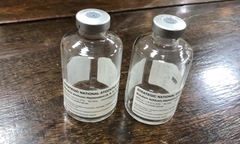
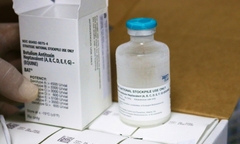
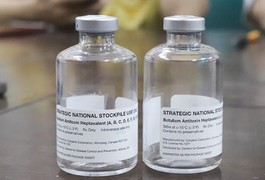
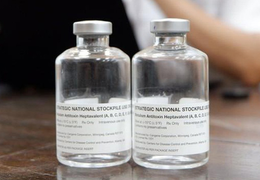
On the evening of May 24th, the Ministry of Health announced that six vials of botulinum antitoxin, sent from the WHO warehouse in Switzerland, had arrived in Ho Chi Minh City to provide timely treatment for critically ill patients.
On the morning of May 23rd, the Drug Administration of the Ministry of Health announced that the World Health Organization (WHO) is contacting sources of rare drugs to treat botulinum poisoning to support Vietnam.
Hospitals in Ho Chi Minh City received two vials of botulinum antitoxin from Quang Nam province overnight to administer to three child patients who were poisoned after eating street-sold pork sausage.
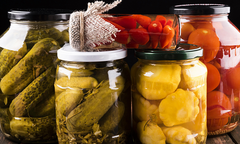
Following the poisoning incident involving pickled carp in Quang Nam, many people are worried that botulinum toxin will appear in pickled cucumbers and tomatoes.
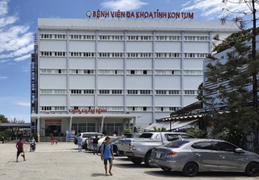
The General Hospital in the mountainous region of Northern Quang Nam is currently lacking antibiotics to treat multidrug-resistant infections in patients suffering from food poisoning due to fermented salted fish.
After eating rat meat, AG, AK, and YK had to be hospitalized for emergency treatment with symptoms including abdominal pain, vomiting, headache, dizziness, shortness of breath, poor lung ventilation, and respiratory failure.
Regarding the food poisoning incident in Binh Duong where 5 people are in critical condition and 1 person died after eating vegetarian rice noodle soup, doctors at Children's Hospital 2 have shared information about Botulinum poisoning.
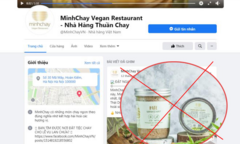
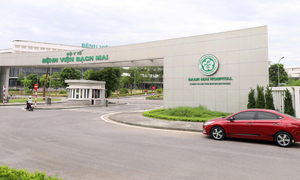
Six vials of botulinum antidote have just been transferred from Bach Mai Hospital to the South to save six critically ill patients who require ventilators due to Minh Chay pate poisoning.
After being hospitalized for over a month with symptoms of muscle paralysis and general weakness that showed no improvement, the patient learned that they had been poisoned by botulinum toxin found in Minh Chay pate.
The patient's health has improved; she can sit up, take care of herself, speak clearly, and most importantly, she can go to visit her husband who is being treated in the next room.
Botulinum poisoning cases are on the rise due to the trend of using airtight bags to store and preserve food improperly, using refrigerators incorrectly, and reheating food insufficiently before eating.
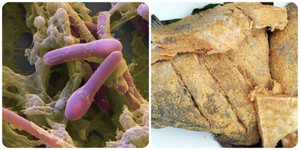
Clostridium botulinum bacterial spores can be present in honey, but they do not pose a threat to human health except for infants and people with compromised immune systems.
On September 8th, Dr. Nguyen Trung Nguyen, Director of the Poison Control Center at Bach Mai Hospital, announced that an additional 35 people had sought medical attention after consuming Minh Chay pate.
According to lawyer Dang Van Cuong, individuals and organizations that supply food causing food poisoning to consumers may face administrative penalties or criminal prosecution.





 Hotline: 0855.911.911
  RSS
RSS