



 Hotline: 0855.911.911
  RSS
RSS 

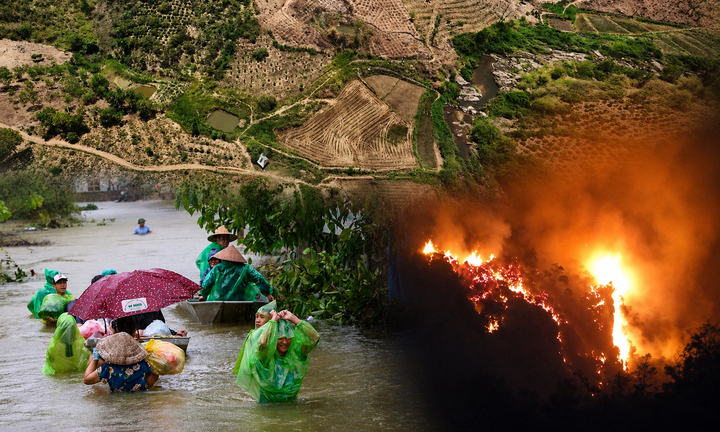
A very strong El Nino is forming; how will it affect Vietnam?
El Nino has formed and could be among the strongest since 1950, experts warn of various extreme weather patterns that Vietnam could face if this scenario occurs.





El Nino has formed and could be among the strongest since 1950, experts warn of various extreme weather patterns that Vietnam could face if this scenario occurs.

Super El Niño is predicted to potentially occur this year, bringing with it a range of impacts on climate, food, and energy.
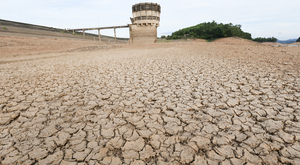
Once officially formed, El Niño is predicted to develop into a very strong phenomenon with a 60-65% probability, potentially among the strongest since 1950.
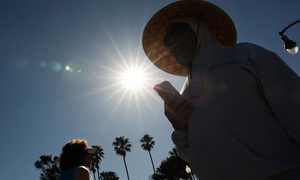
El Niño has returned amid rising global temperatures, raising concerns about extreme weather events.

Extreme heatwaves, floods, droughts, and wildfires are occurring in many areas, demonstrating the increasing unpredictability of global weather.

Northern and central Vietnam are experiencing the most intense heatwave since the beginning of May, and forecasts indicate that the heat could be even more severe in June, with temperatures reaching 41-42°C in some areas.

The strongest El Niño since the 1870s could occur later this year, increasing the risk of extreme weather globally.
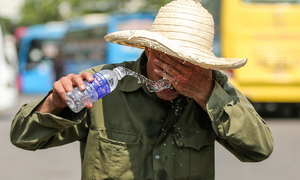
There is a 95% probability that El Nino will return from June, bringing with it the risk of increased heatwaves, rising temperatures, and unpredictable extreme weather events in the summer of 2026.
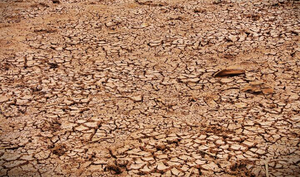
El Nino has a 20-25% chance of reaching very strong levels in the final months of the year, extending into 2027, posing a risk of water shortages right from the start of the season.
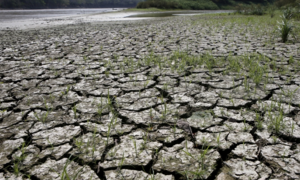
Following a prolonged La Niña period, meteorological forecasting models have unanimously confirmed the formation of a Super El Niño event starting in the summer of 2026 and potentially extending into 2027.

Liệu siêu El Nino có xuất hiện strong name 2026, và nếu xảy ra, hiện tượng thời tiết cực đoạn sẽ tác động ra sao đến thời tiết Việt Nam?

The effects of climate change have had a serious impact on several European countries that depend on tourism revenue.

Record-breaking heat, reaching 50 degrees Celsius, has not only disrupted production in the Philippines but also forced thousands of schools to temporarily close.
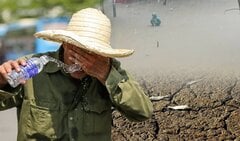
Vietnam is being severely impacted by climate change, experiencing record-breaking heatwaves in many areas, and heavy rains causing devastating floods, resulting in heavy losses of life and property.

NASA's leading climatologist, Gavin Schmidt, predicts that July 2023 could be the world's hottest month "in hundreds, even thousands of years."

Global average temperatures rose above 17 degrees Celsius on July 3rd, with the hottest areas experiencing temperatures above 51 degrees Celsius.

Initial data suggests that June temperatures reached record highs just before the warmer El Niño phenomenon began.
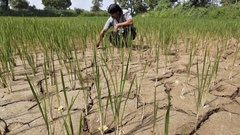
Countries are rushing to prepare for extreme weather that will occur later this year when El Nino emerges.
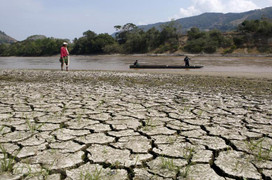
Countries are scrambling to prepare for extreme weather events this year as the world grapples with the El Niño phenomenon.

Smart urban planning and smart buildings in terms of environmental behavior are considered top priority solutions to respond to El Nino.

According to the United Nations (UN), the period from 2023 to 2027 is likely to be the hottest five-year period ever recorded.
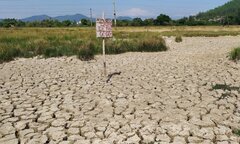
Under El Nino conditions, Vietnam is likely to experience record-breaking high temperatures, and faces the risk of droughts and unusual floods.
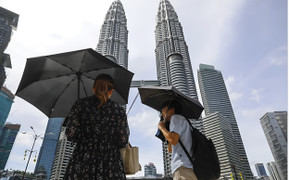
The heatwave has threatened agriculture and heightened concerns about water shortages in the Philippines, while Indonesia fears a return of the haze disaster.

India forecasts intense heatwaves across the country in May, potentially overloading power grids and threatening people's lives.
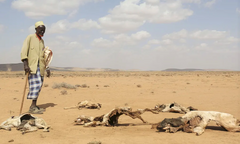
With a cycle of 2 to 7 years, the equatorial Pacific Ocean will warm by 3°C above normal, triggering a range of effects on the global climate.

Theo chuyên gia, nguyên nhân sâu xa của đợt nắng nóng vừa qua ở nhiều nước châu Âu cũng như khu vực Bắc và Trung Bộ nước ta là do hiện tượng biến đổi khí hậu.

The 2019 typhoon season will arrive later, but the heatwave will appear earlier and be more intense than the multi-year average.
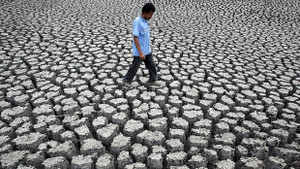
2017 is likely to be among the three hottest years on record, warned the World Meteorological Organization (WMO) at the opening of the 23rd UN Climate Change Conference.

Despite being only the first heatwave of the season, temperatures in some areas have already reached 40°C, foreshadowing a harsh summer.

Tornadoes, hailstorms, thunderstorms, and strong gusts of wind will occur frequently in April and May nationwide, especially in the Northern, Central Highlands, and Southern regions.