


 Hotline: 0855.911.911
  RSS
RSS 

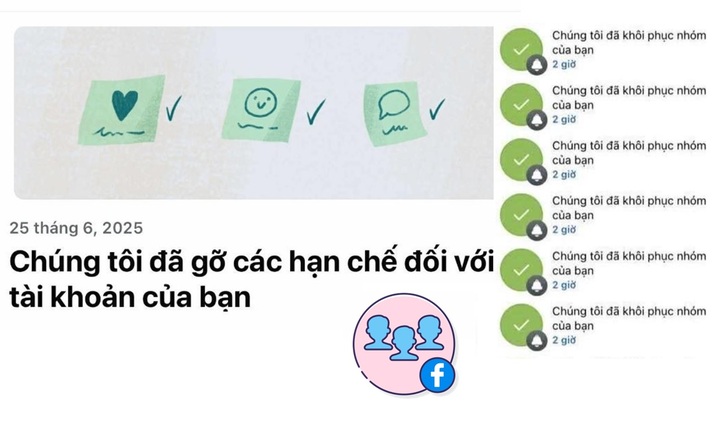
Facebook fixes the bug, many groups 'revive'.
Many Facebook groups are back online after a tumultuous night when administrators inexplicably lost control.





Many Facebook groups are back online after a tumultuous night when administrators inexplicably lost control.
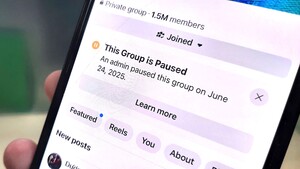
On the evening of June 24th, numerous Facebook groups unexpectedly ceased operation because their administrators were stripped of control.
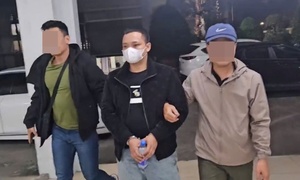
Duc took over the victim's Facebook account and impersonated the account owner to message her mother-in-law in Da Nang, tricking her into transferring 490 million VND.

A group of five young men and women specialized in hacking Facebook accounts, seizing control of them, and then sending messages to borrow money, ultimately defrauding victims of over 1,2 billion VND.

Seven young men in Quang Binh province independently learned how to hijack other people's Facebook accounts and then used those accounts to scam 8 billion VND through fraudulent messages.

Suspecting that C. had hacked his Facebook account, N. and his group of friends arranged to meet C. at the embankment to settle the matter. During the altercation, a murder occurred.

After receiving a message from her daughter on Facebook asking her to transfer money, Ms. H. immediately transferred over 400 million VND in three installments, but when she called her daughter, all she heard was a ringing phone.
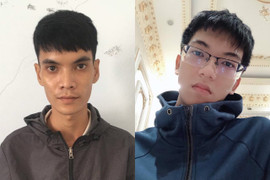
This group uses multiple fake Facebook and Zalo accounts to contact fanpage owners, then sends files containing malware to hijack accounts and sell them for profit.
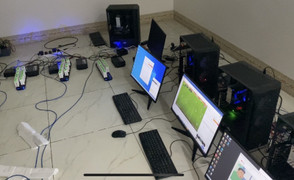
For each fanpage or group illegally hijacked from users, hackers can resell them for prices ranging from 3-5 million VND per fanpage; and 30-50 million VND per group.
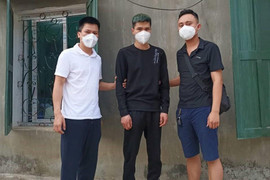
After stealing Facebook (FB) accounts, Diep would message their relatives to trick them into giving him the OTP code and then steal their money.
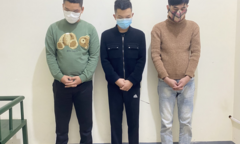
After hijacking the victim's Facebook account, the group of perpetrators messaged Ms. Tran Thi Do Uyen to scam her out of 430 million VND.

The verified Facebook account of South Korean singer Zion.T has had all its old content deleted and replaced with livestream videos selling clothes.
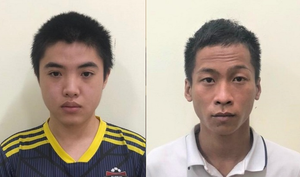
Police have initiated legal proceedings against two individuals who hacked a Facebook account, impersonated the account owner, and sent messages to a woman in Hanoi, defrauding her of 400 million VND.
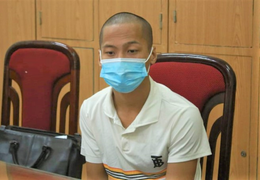
After hacking a Facebook account, the scam group impersonated the account owner, messaged a woman in Hanoi asking to borrow money, and swindled her out of nearly 400 million VND.
Le Viet Anh and Le Kim Hoang Anh hacked a woman's Facebook account and used sensitive images to blackmail the victim.
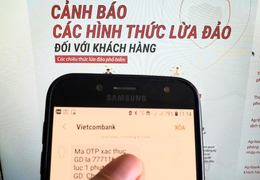
The police investigation revealed that the scammers lured victims into linking their bank accounts to "hacked" links in order to steal their accounts and money.
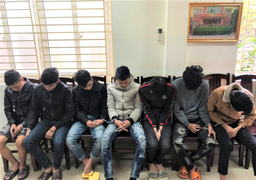
Police have identified seven young men in Quang Tri province who hijacked approximately 4.000 Facebook and bank accounts to commit fraud, stealing over 2 billion VND.

Overcoming the emotional crisis following her Facebook hacking incident, Huynh Anh and her mother traveled to a poor village recently devastated by floods to support the people in overcoming their difficulties.

Duong Van Tuan hacked into someone else's personal Facebook account and used it to message the victim's acquaintances, asking them to transfer money.
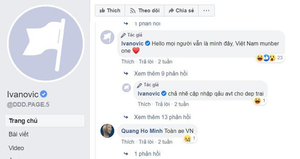
Branislav Ivanovic's Facebook account was hacked, and videos of Vietnamese people selling products online were posted.

The Bac Ninh Provincial Police have decided to initiate criminal proceedings and indict seven individuals involved in a fraud ring that swindled over ten billion VND, led by a high-achieving 12th-grade student.

After hacking the Facebook account of Mr. S., the Deputy Secretary of a district in Dak Nong, Tu and Giai used the account to message three people, requesting them to transfer 90 million VND.

The hacker who threatened to take down CEO Mark Zuckerberg's personal Facebook account is Chang Chi-yuan (24 years old) - a well-known hacker from Taiwan.

Through a vulnerability related to the "View as" feature, hackers can hijack accounts by using a token string – a code used to log into Facebook each time a user enters their account and password – without requiring two-factor authentication or login alerts.
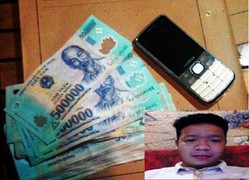
After hacking and gaining access to Ms. H.'s Facebook account, Luan found three "explicit" videos and hatched a plan to extort money from her.

To "extract" money from victims by scratching off phone cards, Nguyen Hung Duong sent links containing malware and then hijacked the Facebook accounts of many people.

Scams on Facebook are becoming increasingly common in Vietnam, prompting a Canadian non-profit organization specializing in cybersecurity to call for a campaign to enable two-factor authentication.