Many handwritten letters, certificates of merit, and battlefield records preserved by the American expert team could help identify information and support the search for the graves of fallen soldiers in Vietnam.
During a field survey at Da Sap Cave (Da Nang), authorities discovered numerous artifacts such as rubber sandals, plastic sandals, parachute fabric, raincoats, large batteries, communication wires, AK rifle ammunition, etc.
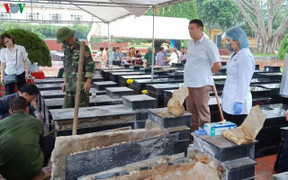
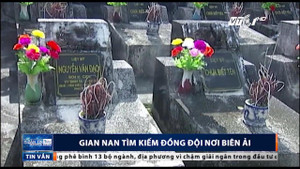
The Ho Chi Minh City Command established 12 teams with more than 400 officers, soldiers, and specialists to collect samples and digitize the remains of fallen soldiers at 18 cemeteries in the city.
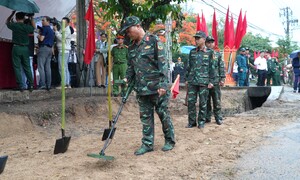
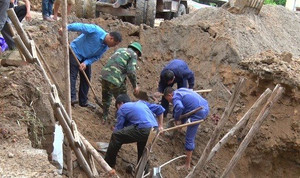
Authorities have begun digging exploratory trenches along Truong Chinh Street (Dak Cam Ward, Quang Ngai Province) to aid in the search and recovery of the remains of fallen soldiers.
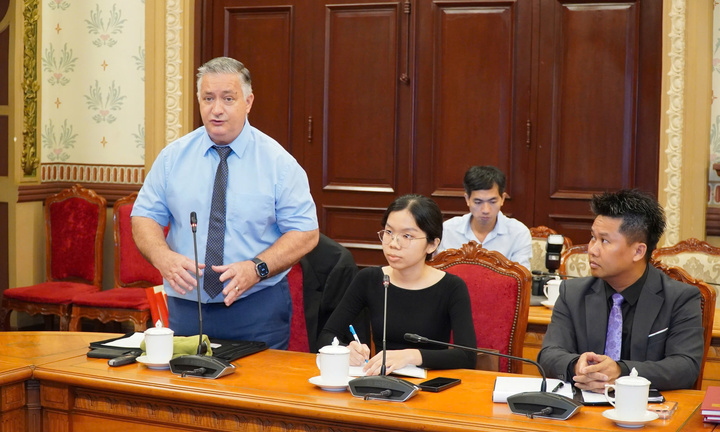
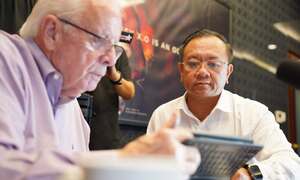
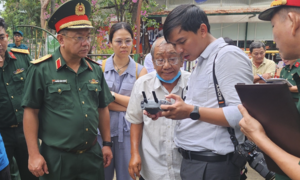
The Ho Chi Minh City Command requested that former US soldier Bob Connor connect with witnesses and provide additional documents to assist in the search and verification of the burial place of fallen soldiers in 1968.
In the memories of witnesses, the Chi Hoa cemetery in 1968 is depicted with mass graves where the bodies of fallen soldiers were laid, a haunting image that persists to this day.
According to the National Steering Committee Office, the "500-Day Campaign" has searched for and collected 1.109 remains of martyrs and discovered two mass graves in Tuyen Quang.
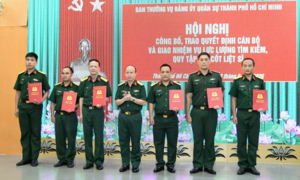
The Ho Chi Minh City Command has announced the decisions of Military Region 7 and the Ho Chi Minh City Command regarding the appointment and deployment of officers and soldiers to participate in the search and collection of the remains of fallen soldiers.
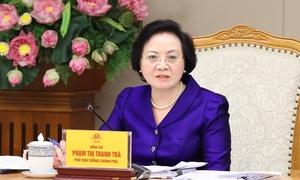
Deputy Prime Minister Pham Thi Thanh Tra instructed officers and soldiers to uphold a high sense of responsibility and not overlook any small sign during the search for the graves of fallen soldiers.
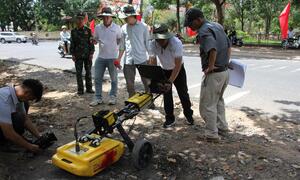
Ho Chi Minh City is conducting a field survey at Le Thi Rieng Park to identify the suspected mass burial site of martyrs who died during the Tet Offensive of 1968.
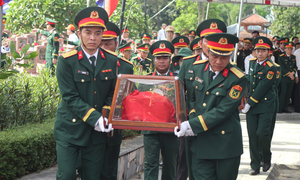
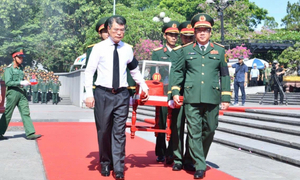
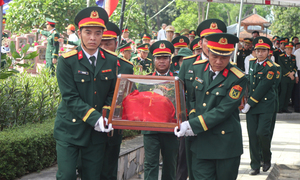
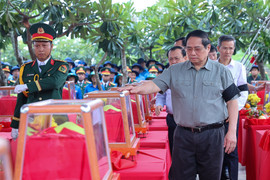
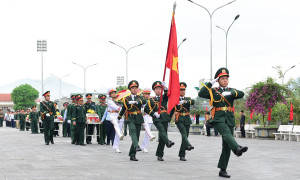
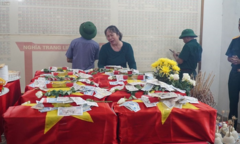
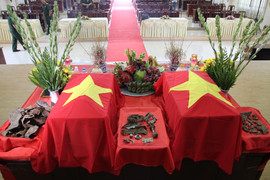
Prime Minister Le Minh Hung attended the memorial and burial ceremony for 28 martyrs, including Vietnamese volunteer soldiers and experts who died in Laos, whose remains were returned to their homeland.
Deputy Prime Minister Pham Thi Thanh Tra emphasized that the goal of the 500-day campaign is to find and collect at least 500 remains of fallen soldiers by July 27th.
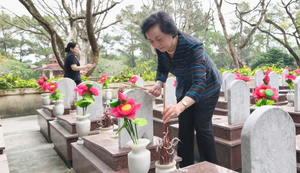
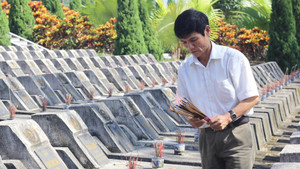
Although the war ended more than half a century ago, the pain and the yearning for reunion remain intact in millions of families; each fallen soldier represents an irreplaceable loss.
Deputy Prime Minister Pham Thi Thanh Tra proposed launching a "500-day and night campaign" to search for, collect, and identify the remains of fallen soldiers.
The Ministry of Defense has proposed increasing health allowances, allowances, and additional meals to help military officers search for the remains of fallen soldiers recover their energy.
Prime Minister Pham Minh Chinh attended the memorial service and burial of 81 remains of Vietnamese volunteer soldiers and experts who died in the Kingdom of Cambodia and in Vietnam.
The Prime Minister instructed the Ministry of National Defence to coordinate with other ministries, agencies, and localities to expedite the search for and collection of the remains of fallen soldiers and to identify the remains of those whose information is incomplete.
The battle to defend the northern border is now 46 years old, but in the hearts of comrades, beside the monuments and landmarks, stories of gratitude and camaraderie still remain.
Nghe An province held a memorial and burial ceremony for 96 remains of Vietnamese martyrs who died in Laos, bringing them back to rest in their homeland.
According to Mr. Nguyen Duy Kien, Deputy Director of the Department of War Invalids and Martyrs, Ministry of Labor, War Invalids and Social Affairs, more than 40.000 biological samples from the remains of martyrs have been examined.
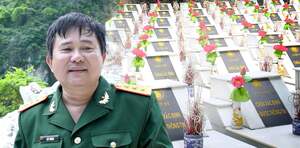
The funeral ceremony for the remains of 10 martyrs who bravely sacrificed their lives defending the northern border of the Fatherland was held with great emotion at the Vi Xuyen National Martyrs Cemetery (Ha Giang).
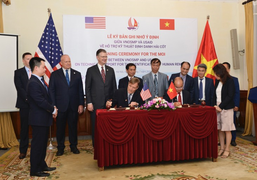
Two agencies from Vietnam and the United States have just signed a Memorandum of Intent for the US to support Vietnam in enhancing its capacity to identify remains from the war.
Bac Kan has established two teams to search for information on 13 martyrs' graves, including finding information and witnesses for the first repatriation of remains to Phu Thong Cemetery.
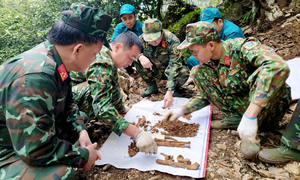
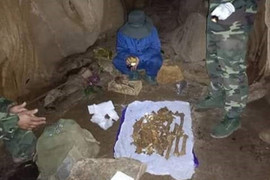
Three sets of human remains, mixed together with artifacts such as an AK rifle, ammunition magazines, gas masks, and dried food rations, were found in a cave in Quang Tri province.
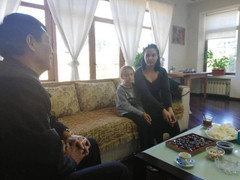
Anna Poyarkova, granddaughter of Soviet pilot Yuri Poyarkov, who died in a Vietnam War crash in 1971, has submitted hair and fingernail samples for DNA testing.
A portion of the remains, believed to be those of two pilots, one Vietnamese and one from the former Soviet Union, has been brought to the Military Command of Thai Nguyen province.
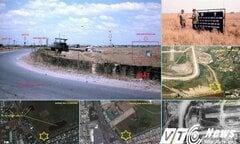
After nearly three months of searching, authorities have yet to discover a second mass grave within Tan Son Nhat airport, contrary to initial suspicions.
Authorities in Quang Tri province have recently discovered and exhumed numerous remains of fallen soldiers from a mass grave located within the grounds of Trieu Hai Regional General Hospital in Ward 2, Quang Tri town.
The war to defend the northern border is long over, but the lingering anguish of the soldiers remains, knowing that their comrades still lie buried somewhere on the front lines of the Fatherland.





 Hotline: 0855.911.911
  RSS
RSS