The Lebanese President's office announced that military delegations from the US, Lebanon, and Israel are discussing in Washington the geographical boundaries of the "experimental zone."
After President Trump threatened to attack Iran for its support of Hezbollah, the Iranian delegation left the venue where negotiations with the US were taking place.
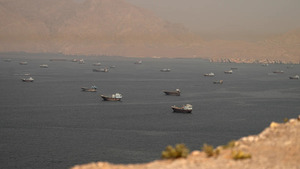
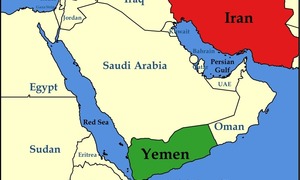
Iran announced on June 20 that it would close the Strait of Hormuz, citing allegations that the United States and Israel violated the ceasefire agreement.
Israel and Hezbollah have reached a ceasefire agreement that is expected to take effect at 4 p.m. (local time) on June 19, a senior U.S. official told Reuters.
The Israeli army confirmed on June 19 that four soldiers were killed and five others wounded in a series of fierce clashes that recently erupted in Lebanon.
There are no signs of progress in ceasefire negotiations between the US and Iran after Hezbollah rejected a US-brokered ceasefire agreement in Lebanon.
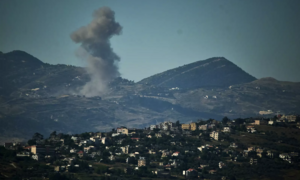
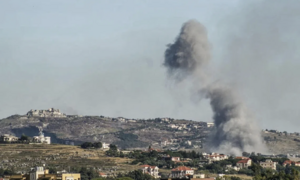
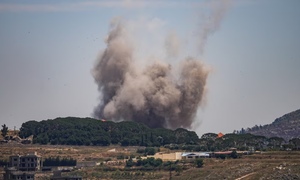
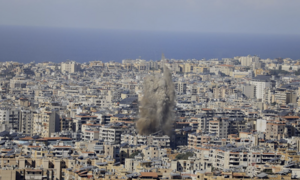
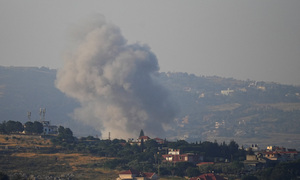
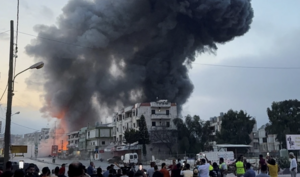
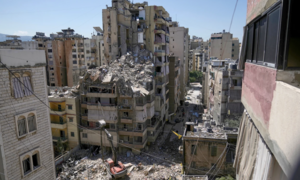
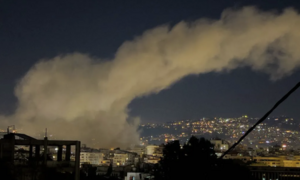
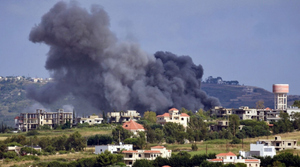
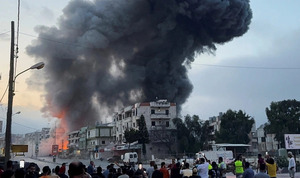
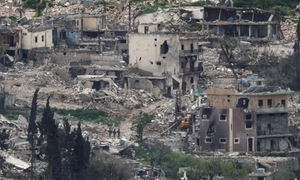
Hezbollah rejected a ceasefire proposal brokered by the US between Lebanon and Israel, while the Israeli military continued its airstrikes in southern Lebanon.
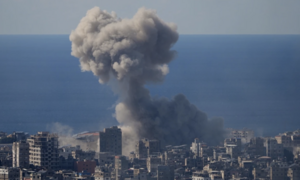
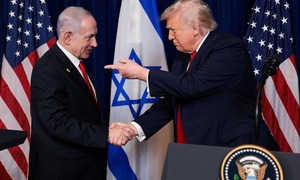
Trump declared that the US would maintain forces around Iran until Tehran complied with the agreement, amid escalating regional tensions following Israeli airstrikes on Lebanon.
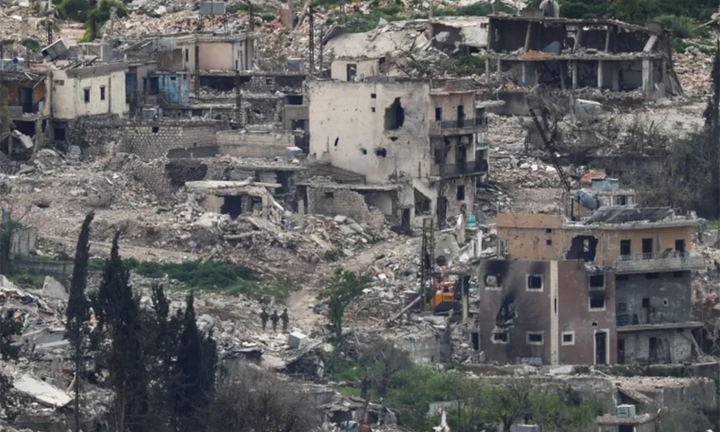
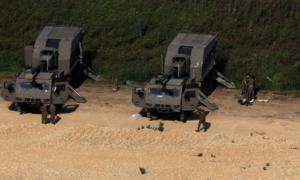
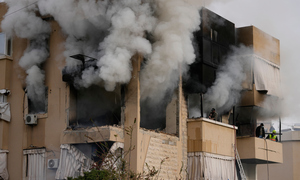
The Israeli military said it had launched a “targeted” ground offensive in southern Lebanon aimed at destroying Hezbollah infrastructure and expanding a security buffer zone along the border.
The Lebanese government on March 2 issued a ban on Hezbollah's military activities, following the group's attack on Israel in retaliation for the death of Iran's Supreme Leader.
Hezbollah launched a massive attack on a military base near the city of Haifa in retaliation for the assassination of Iran's Supreme Leader Ali Khamenei.





 Hotline: 0855.911.911
  RSS
RSS