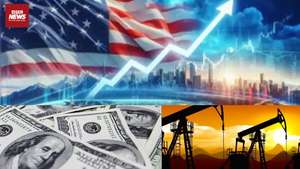
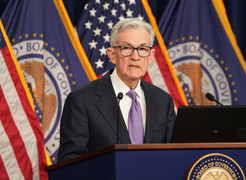
The latest data from the Fed shows that the US economy is experiencing increasingly deep wealth stratification, with the majority of wealth concentrated in the hands of the richest.
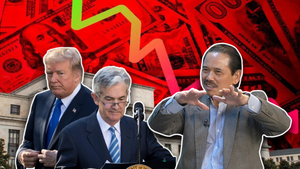
According to Dr. Bui Ngoc Son, the politicization of the FED is pushing the US economy into a recession and causing the USD's position as the "world's reserve currency" to completely collapse.
For the past century, despite crises and the rise of major rivals, the United States has steadfastly maintained its position as the number one economy.
The US dollar index – a measure of the dollar's strength against six other major currencies such as the British pound, the euro, and the Japanese yen – fell 10,8% in the first half of 2025.
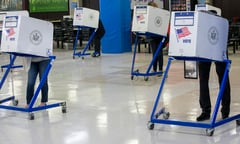
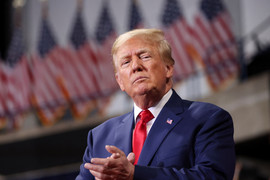
Many American voters who previously voted for President Joe Biden have indicated they will switch their support to Republican candidate Donald Trump in the hope that the economy will improve.
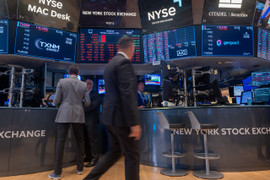
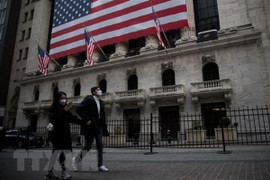
According to Reuters, major Wall Street indices fell sharply as the market opened on Monday morning, August 5 (local time), amid concerns that the US economy was heading for a recession.
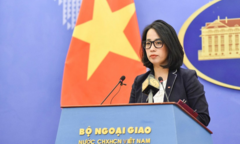
The Vietnamese Ministry of Foreign Affairs expressed disappointment that the United States has yet to recognize Vietnam as a market economy, despite the positive developments in the Vietnamese economy.
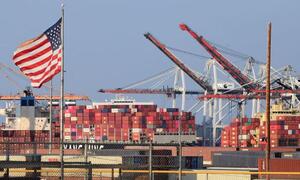
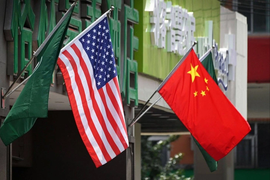
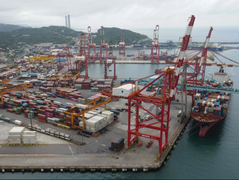
Senior Chinese economic officials, during meetings with their US counterparts, expressed concerns about tariffs, investment restrictions, and sanctions against mainland companies.
Experts suggest that China needs to promote domestic innovation and open up more widely as a way to counter the restrictive and containment policies of the United States.
The Ministry of Foreign Affairs affirmed that "Vietnam does not manipulate its currency," and the US report also offered positive comments on Vietnam's monetary policy management.
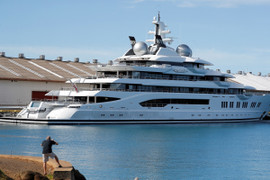
The US has to spend a considerable amount of money each month to cover the operating and maintenance costs of the superyachts seized from Russian billionaires.
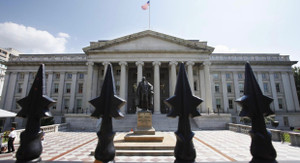
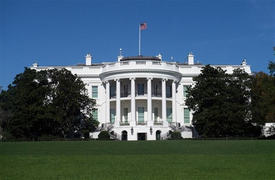
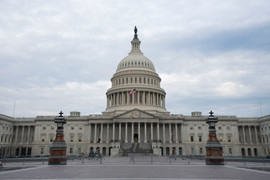
A US government shutdown after September 30 seems inevitable, unless the Speaker of the House can persuade the right wing to allow the passage of temporary funding measures.
On June 21, the U.S. House of Representatives voted to ratify the first trade agreement signed under the “U.S.-Taiwan Initiative for 21st Century Trade.”
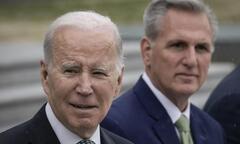
American leaders compromised after deep disagreements over government spending and support for low-income earners as part of an agreement to raise the debt ceiling.





 Hotline: 0855.911.911
  RSS
RSS