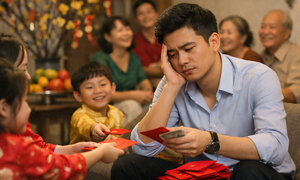
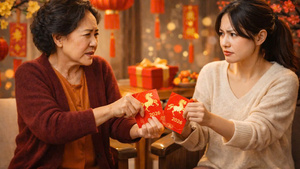
I'm in 8th grade now, and I'm fed up with Mom asking how much money someone gave me every time I open a red envelope, just to judge them. I understand that better than Mom thinks.
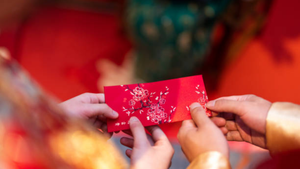
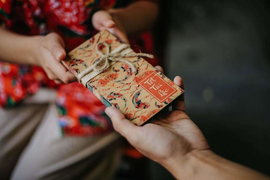
Originally, red envelopes were only given to convey good luck and New Year's wishes, but in many families, giving these envelopes is gradually becoming a measure of wealth, generosity, and even prestige.
Amidst the bustling atmosphere of Tet greetings, a red envelope containing 20.000 dong, accompanied by the words "for good luck," and the mother's awkwardness, made me feel a pang of sadness.
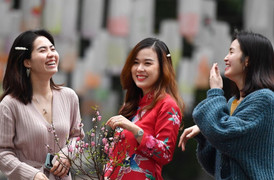
Every time I return to my hometown from Ho Chi Minh City for Tet (Lunar New Year), I carry with me a very real worry: whether the red envelopes are thin or thick can become a measure of my worth.
By the end of the first day of the Lunar New Year, I had spent over 15 million VND on lucky money, receiving only 200,000 VND back; at 30 years old and still unmarried, I'm automatically considered "the rich kid," so I have to constantly reach for my wallet.
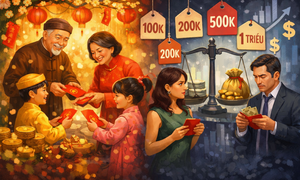
What started as a custom of wishing good health to the elderly and peace to children, giving lucky money has gradually transformed into a financial "race" and a psychological burden.
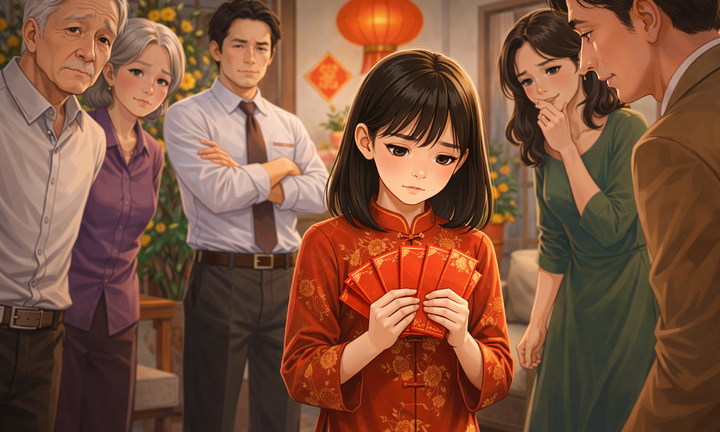
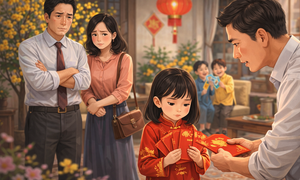
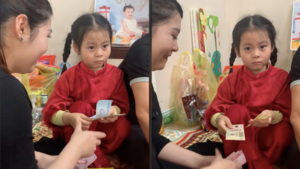
A video of a little girl dutifully returning her Lunar New Year lucky money to her mother, with a distraught and sad expression as if she's about to cry, is going viral on social media, and many adults are also feeling sympathetic.
During the inspection, Prime Minister Pham Minh Chinh visited and presented lucky money to the team of officials, engineers, and workers who worked throughout the Tet holiday at the Long Thanh airport construction site.
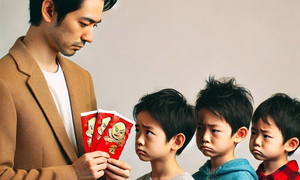
My first meeting with my girlfriend's family would have been perfect if it weren't for the mishap during the red envelope exchange. The children opened the envelopes and made faces, and her child pouted, "There's only 50 dong in it..."
Although many people look forward to receiving lucky money during the Lunar New Year, they still don't know what the term "lucky money" means or why it's called lucky money.
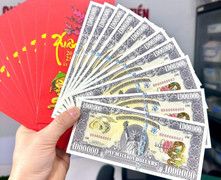
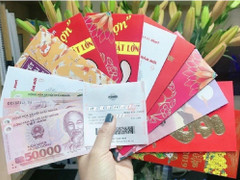
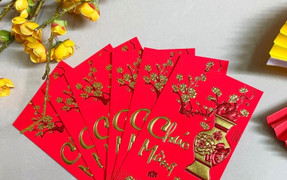
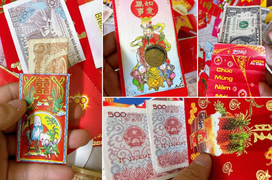
On social media, many posts are advertising the sale of unique and rare banknotes, including new ones with attractive serial numbers and gold-plated banknotes featuring the snake zodiac animal, to be given as gifts during the upcoming Lunar New Year 2025.
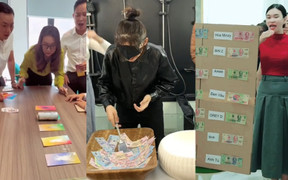
Many unique and humorous ways of giving lucky money to employees have been shared by netizens in the first few days back at work after the Lunar New Year of the Year of the Dragon.
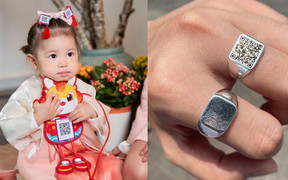
During the Lunar New Year of the Year of the Dragon 2024, netizens competed to share humorous photos of people attaching QR codes all over their bodies to receive lucky money.
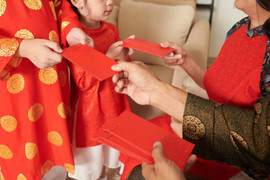
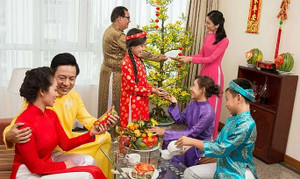
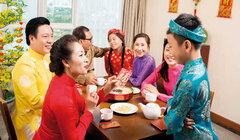
Giving lucky money is an indispensable custom during the first days of the new year and has been maintained by Vietnamese people from ancient times to the present day.
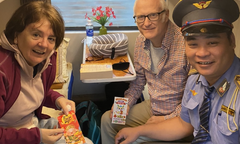
Sáng 1/1/2024 , hành khách trên các chuyến tàu bất ngờ khi nhận được bao lì xì và những lời chúc mừng năm mới từ những cán bộ, nhân viên ngành đường sắt.
The envelope contained only six 1.000 dong bills and a small piece of paper with a Buddha's teaching; the disciple thought that since his master was poor and the temple was in a rural area, that was all the capital he could provide.
According to educational psychology experts, giving New Year's gifts is an opportunity for adults to teach children about gratitude, financial management skills, and more.
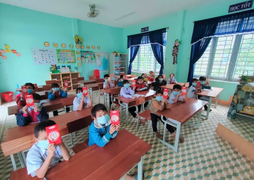
9.500 students in the remote Ngoc Linh area of Nam Tra My district, Quang Nam province, were delighted to receive lucky money envelopes thanks to the efforts of teacher Nguyen Tran Vy.
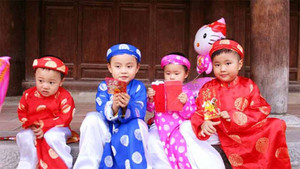
During Tet (Vietnamese New Year), people often give children small amounts of money as a token of good luck, called "li xi," but do you know what the words "li xi" mean?
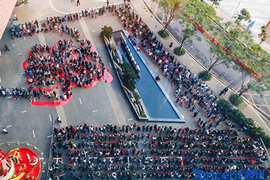
To show appreciation to their employees after a year of hard work, many wealthy Chinese individuals personally hand out red envelopes at the beginning of the year, with the intention of sending good luck wishes.
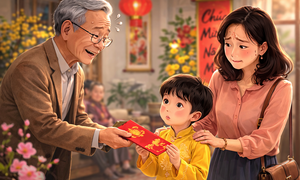
Many children, after opening their lucky money envelopes and finding a 10 or 20 dong note, immediately pout and complain that it's too little, causing both guests and their parents to blush and feel awkward.





 Hotline: 0855.911.911
  RSS
RSS