



 Hotline: 0855.911.911
  RSS
RSS 

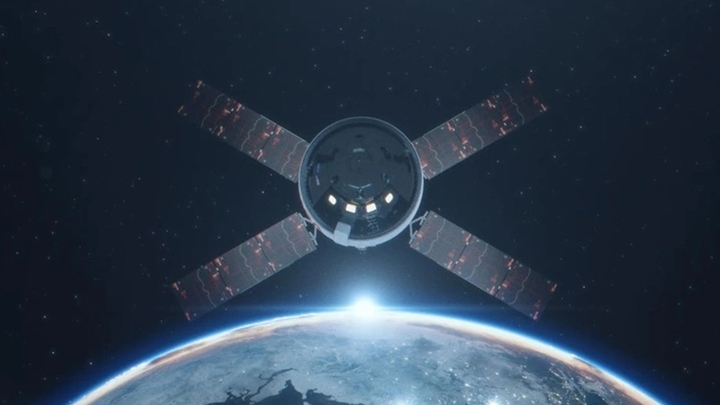
Artemis 3 revealed: NASA races to return humans to the Moon.
NASA aims to return a crewed spacecraft to the Moon by the end of 2027 via the Artemis 3 mission.





NASA aims to return a crewed spacecraft to the Moon by the end of 2027 via the Artemis 3 mission.
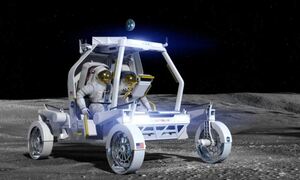
NASA has just selected two electric all-terrain vehicles for the final round of the Artemis program, aimed at returning astronauts to the Moon starting in 2028.

NASA hopes to build a permanent base the size of a city on the Moon.
NASA is preparing to test space refueling technology, paving the way for missions to the Moon and Mars.
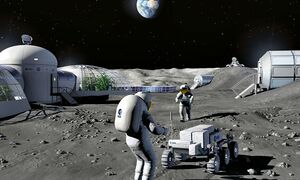
NASA and SpaceX aim to build a base on the Moon within the next 10 years, but scientists believe humanity is not yet truly ready.

The latest leaks reveal the iPhone 20 will feature a unibody glass design with curved edges, a seamless look, and no physical buttons.

NASA is developing a new testing system that can simulate the frigid environment of -233°C on the Moon to test materials for future space missions.

NASA is undertaking a project to build a 100 kW nuclear power plant on the Moon, aimed at providing electricity, heating, and support for space missions.
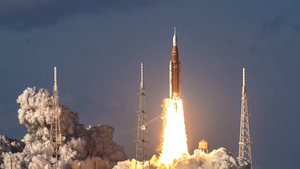
73 landings, over 80 spacecraft launches, and a permanent base on the Moon – this is the new plan recently announced by NASA.
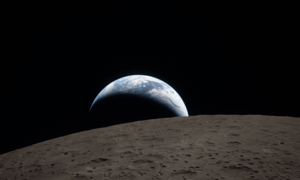
These images reveal the far reaches of the Moon with their incredible geological history and the moment of a solar eclipse in space.

Christina Koch, the first woman to orbit the Moon on the Artemis II mission, shared her feelings about the crew after returning to Earth.

A formal welcoming ceremony was held in Houston to celebrate the team's successful completion of their 10-day journey into deep space and their safe return to Earth.

Christina Koch, the only female astronaut on Artemis II, made headlines with her 328 consecutive days on the ISS, a record that made her a key asset to NASA.
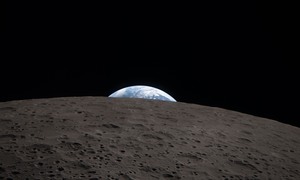
The Artemis II mission team shared about the extreme tension in the control room and the moments that challenged their limits.

After overcoming six tense minutes of lost signal, the Orion spacecraft performed a miraculous feat, "threading a needle's eye" from space, bringing the four astronauts of the Artemis II mission back to Earth safely.

Following the successful landing of the Artemis II crew, a rigorous rescue procedure was implemented to ensure the absolute safety of the crew.
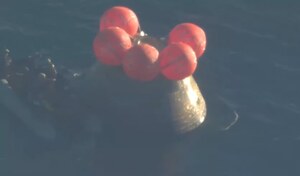
The Orion spacecraft landed safely in the Pacific Ocean, concluding the historic Artemis II mission and opening a new chapter in humanity's quest to conquer the Moon.
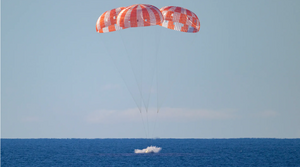
The Orion spacecraft of the Artemis II mission landed safely in the Pacific Ocean, concluding a 10-day journey to return humans to the Moon after more than half a century.
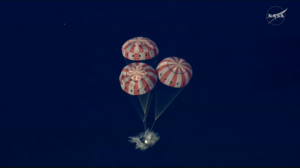
The Orion spacecraft, carrying the Artemis II mission crew, is preparing to re-enter the atmosphere and land in the Pacific Ocean, concluding its 10-day journey around the Moon.

Artemis II astronaut Christina Koch shares that her experience of flying far from Earth has given her profound insights and made her appreciate our shared home even more.

Before landing in the Pacific Ocean, the Artemis II crew faced temperatures of 2.760°C upon re-entering Earth's atmosphere with an untested heat shield.
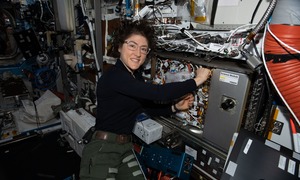
Female astronaut Christina Koch set a record of 328 days on the ISS before becoming the first woman to orbit the Moon.
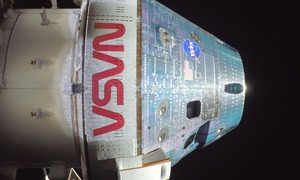
The Artemis II crew has accomplished the main objectives of the mission and is on its way back to Earth.
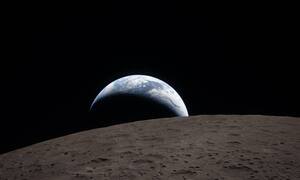
These rare images capture the moment Earth was hidden behind the Moon and a solar eclipse in space, captured by the Artemis II mission.
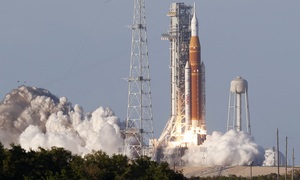
The Orion spacecraft was designed by NASA to withstand the most extreme thermal environments and was the centerpiece of the Artemis II mission.
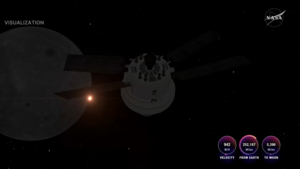
The Artemis II crew witnessed a total solar eclipse from the Orion spacecraft as it flew past the far side of the Moon, a view never before seen in history.
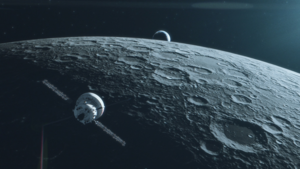
The Artemis II crew lost contact for about 40 minutes while flying behind the Moon, a phase considered the most tense of the journey.
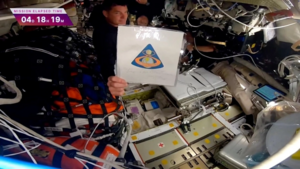
The Artemis II crew set a record for the furthest flight from Earth in over 50 years, as the Orion spacecraft surpassed Apollo 13's milestone during its journey around the Moon.
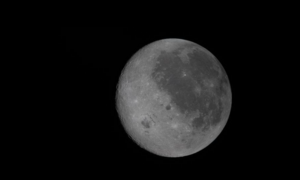
The Artemis II crew captured images that simultaneously showed both the bright and dark sides of the Moon, a perspective never before seen directly by humans.
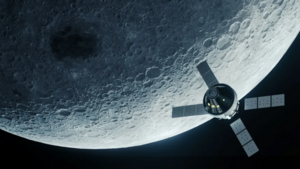
Entering the farthest point on the far side of the Moon in history, the Artemis II crew officially broke the record set by Apollo 13.