



 Hotline: 0855.911.911
  RSS
RSS 


June 24th, 43 years ago: The woman who broke NASA's barrier.
On this day in 1983, aboard the Space Shuttle Challenger, which landed in the American desert, was Sally Ride – the first American woman to fly into space, breaking NASA's barrier.





On this day in 1983, aboard the Space Shuttle Challenger, which landed in the American desert, was Sally Ride – the first American woman to fly into space, breaking NASA's barrier.
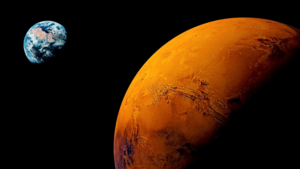
The rapid development of artificial intelligence is sparking a competition for who will be the first to set foot on the Red Planet.
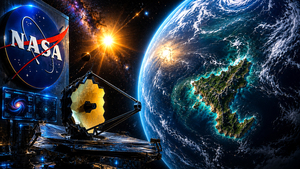
NASA's James Webb Space Telescope has just discovered a rare gas giant planet with temperatures close to those on Earth.
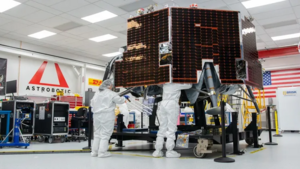
The Griffin lunar lander was chosen as the vehicle to pave the way for NASA's plan to build a permanent base on the Moon.
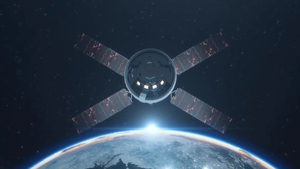
NASA aims to return a crewed spacecraft to the Moon by the end of 2027 via the Artemis 3 mission.
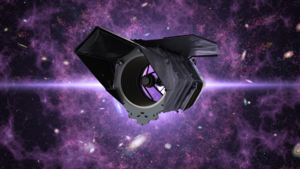
NASA has launched a program allowing users to send their names to the Nancy Grace Roman telescope, scheduled for launch on August 30th, to explore the mysteries of the universe.
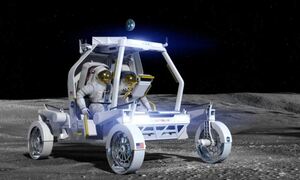
NASA has just selected two electric all-terrain vehicles for the final round of the Artemis program, aimed at returning astronauts to the Moon starting in 2028.
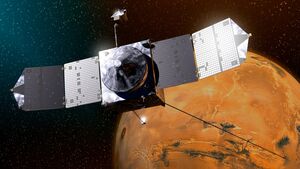
NASA officially ended the MAVEN mission to Mars after the spacecraft lost power during a mysterious rotational event in December 2025.

Blue Origin's New Glenn rocket exploded on the launch pad during engine testing, highlighting the major challenges in the race to return humans to the Moon.
NASA hopes to build a permanent base the size of a city on the Moon.
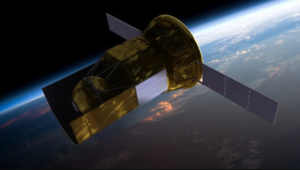
NASA is preparing to test space refueling technology, paving the way for missions to the Moon and Mars.

NASA's "Black Marble" project, using a system of highly sensitive sensors on three satellites, has been continuously capturing realistic images of Earth at night for nearly a decade.
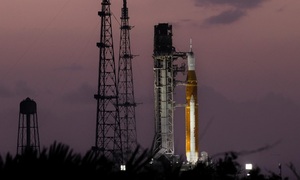
Artemis III was a crucial stepping stone to landing humans on the Moon in the Artemis IV mission.
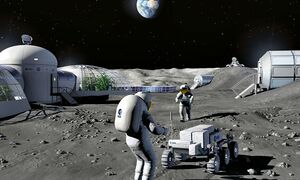
NASA and SpaceX aim to build a base on the Moon within the next 10 years, but scientists believe humanity is not yet truly ready.

The latest leaks reveal the iPhone 20 will feature a unibody glass design with curved edges, a seamless look, and no physical buttons.
The Pentagon released 162 UFO files, including videos, images, and witness testimonies, at the direction of President Trump, revealing many mysterious incidents spanning decades.
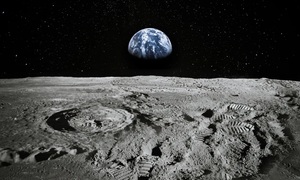
NASA is developing a new testing system that can simulate the frigid environment of -233°C on the Moon to test materials for future space missions.
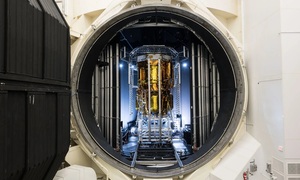
Blue Origin's lunar lander has just completed testing in NASA's vacuum chamber, a crucial step in preparing for upcoming Artemis missions.
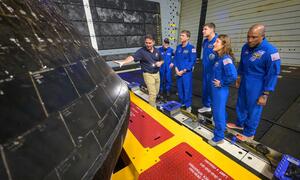
Discover the details of the Artemis II mission's success and the challenges overcome that solidified belief in the conquest of the Moon.
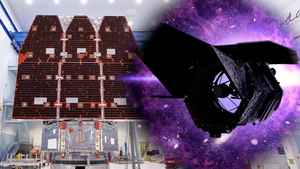
NASA has completed the assembly of the Nancy Grace Roman telescope, which is approximately 2,4 meters wide and capable of surveying objects 1.000 times faster than Hubble.
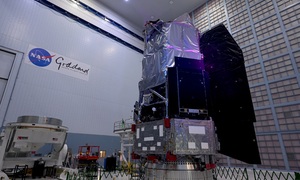
NASA aims to launch the Roman telescope ahead of schedule to study dark energy, exoplanets, and cosmic structures.
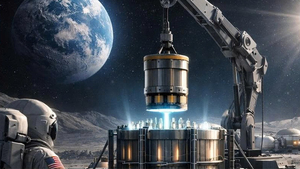
NASA is undertaking a project to build a 100 kW nuclear power plant on the Moon, aimed at providing electricity, heating, and support for space missions.
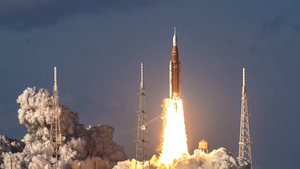
73 landings, over 80 spacecraft launches, and a permanent base on the Moon – this is the new plan recently announced by NASA.
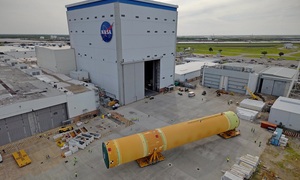
NASA has moved the core of the SLS rocket from the assembly plant to the launch center, marking a crucial preparatory step for the Artemis III mission scheduled for 2027.
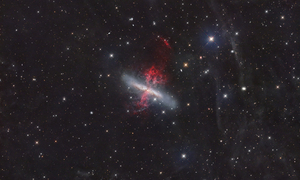
The M82 "cigar galaxy" is notable for its distinctive elongated shape and spreading streams of matter, reflecting the dynamic environment of deep space.
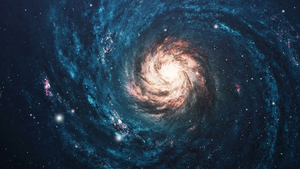
IC 486 is a stunning spiral galaxy located at the edge of the Gemini constellation, approximately 380 million light-years from Earth.
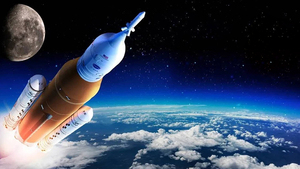
The Artemis I mission had no astronauts, no conversations from space, yet it quietly made a historical turning point.
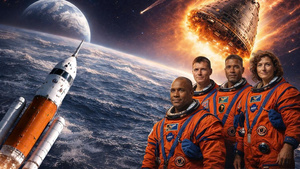
Following the safe landing of the Artemis II mission's Orion spacecraft in the Pacific Ocean, NASA quickly released a series of noteworthy technical data.
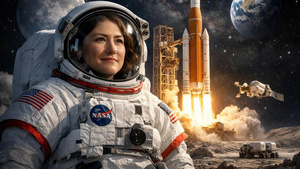
Christina Koch, the only female astronaut on Artemis II, made headlines with her 328 consecutive days on the ISS, a record that made her a key asset to NASA.
The crew, consisting of Reed Wiseman, Victor Glover, Christina Koch, and Jeremy Hansen, returned in excellent physical and mental condition.