



 Hotline: 0855.911.911
  RSS
RSS 

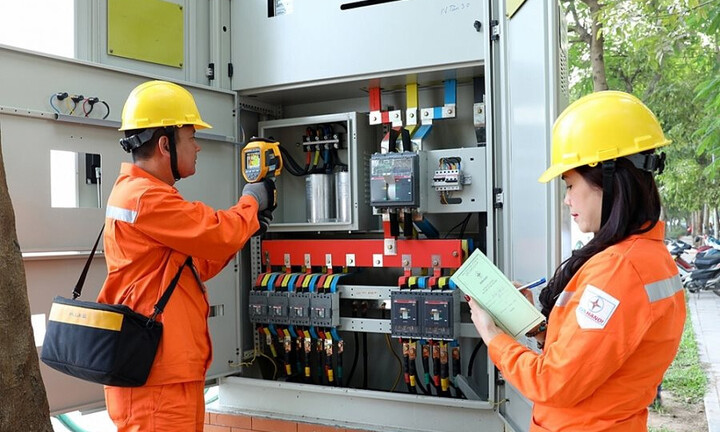
Northern Vietnam could consume 26.000 MW of electricity in June.
EVN has just issued a warning that electricity demand could continue to rise in June, reaching approximately 26.000 MW in the North alone.





EVN has just issued a warning that electricity demand could continue to rise in June, reaching approximately 26.000 MW in the North alone.

EVN Group affirms that the information "Vietnamese authorities are calling on some businesses in the North to voluntarily reduce their electricity consumption by 30%" is inaccurate.

The Prime Minister has instructed the Minister of Industry and Trade to submit to the competent authority a mechanism for direct electricity trading between power generation units and large electricity consumers before April 30th.
At the conference summarizing the year 2023 and outlining tasks for 2024, EVN Group announced an estimated loss of 17.000 billion VND, with the parent company alone incurring a loss of 24.595 billion VND.
Electricity demand in the North continues to increase at an average of 9% per year. EVN warns that in 2024, the North may face a shortage of 420 MW to 1.770 MW of electricity.
The average commercial electricity output per person in 2022 is estimated at 2.425 kWh/person, an increase of 1,55 times compared to 2015.
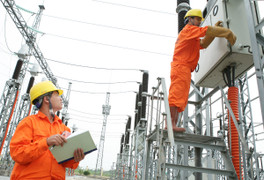
Last week, temperatures reached 37-380°C, leading to record-high electricity demand, but thanks to proactive supply management, the North has ended its chronic power shortages.

From July 7th to 13th, temperatures in the North were intensely hot (37-38°C), leading to record-high electricity consumption. However, thanks to proactive measures, EVN ensured sufficient supply.
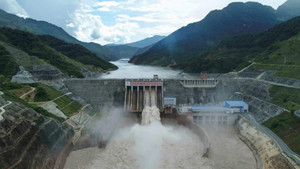
According to the National Power System Dispatch Center (A0), the North is currently experiencing heavy rains and floods, and the water levels in major hydropower reservoirs are sufficient for power generation.
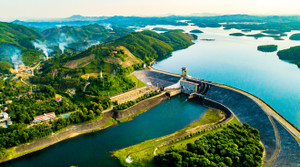
The Thac Ba hydroelectric plant (Yen Bai province) resumed power generation on July 3rd with a total output of 0,32 million kWh.
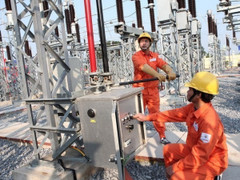
Deputy Minister of Industry and Trade Do Thang Hai affirmed this at the regular government press conference in June 2003 on the afternoon of July 4th.
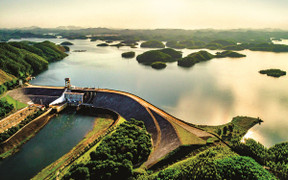
The Thac Ba hydroelectric plant (Yen Bai province) has a capacity of over 120MW and 3 generating units, but it is still unable to generate electricity due to a lack of water.
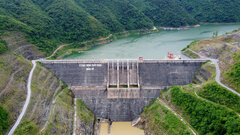
On the morning of July 3rd, the water inflow into the Ban Ve hydroelectric reservoir only reached 66 m3/second, the reservoir water level reached 157.95 m, and the Ban Ve hydroelectric plant was still operating at a reduced capacity.
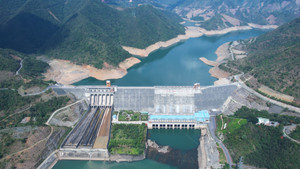
The increased water inflow has helped large hydropower reservoirs in the North surpass their dead water levels, and currently no hydropower plants have had to cease operations.
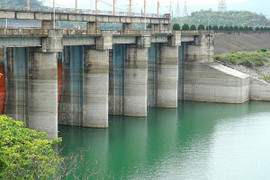
Water levels in the hydroelectric reservoir have been continuously increasing for several days due to moderate to heavy rainfall in the North.
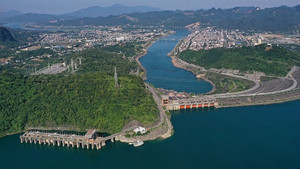
Water levels in hydropower reservoirs in the northern region are rising rapidly, exceeding the dead water level by 7-20 meters, but power plants are still limiting electricity generation to prepare for the upcoming heatwave.

According to a report by the Electricity Regulatory Authority under the Ministry of Industry and Trade, power generation capacity and electricity production have basically met demand in the North.

EVN recently announced that from June 23rd, the power system in the North has basically met demand, but according to experts, rolling power cuts may still be implemented.
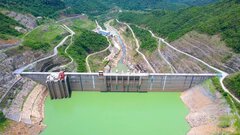
On June 23, hydroelectric reservoirs exceeded their dead water levels, improving the electricity supply situation in the North and basically meeting electricity demand.
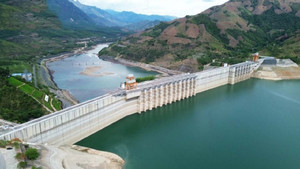
On June 21st, water inflow into reservoirs in Northern Vietnam, North Central Vietnam, and the Central Highlands increased slightly; however, many hydropower plants were still operating at a reduced capacity due to low water levels.
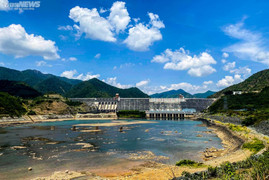
On June 18th, the water inflow into the reservoirs increased slightly and exceeded the dead water level by a few meters, but the Lai Chau, Son La, Thac Ba, Tuyen Quang, Ban Chat hydropower plants, among others, still stopped generating electricity to conserve water.
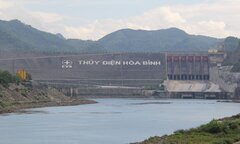
On the morning of June 18th, the water inflow into hydropower reservoirs in the North was low, fluctuating slightly compared to yesterday, and had exceeded the dead water level.
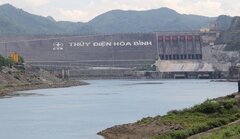
According to a report from the Ministry of Industry and Trade, as of late afternoon on June 16th, no hydropower reservoirs in the North were at dead water levels.
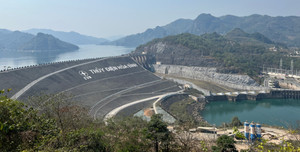
If operated at maximum capacity continuously, the Hoa Binh hydroelectric reservoir would reach its dead water level in just 13 days and would no longer be able to operate.
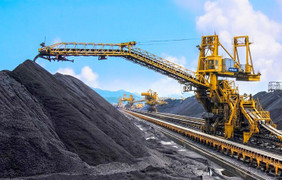
EVN has requested the Northeast Corporation to seek solutions to supplement the amount of coal supplied to power plants to meet the system's mobilization needs in the coming months.
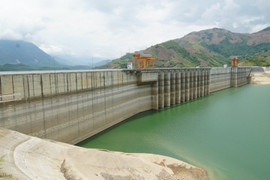
Due to low water levels, the Son La hydropower plant is unable to generate electricity, while the Hoa Binh hydropower plant is only generating electricity intermittently.
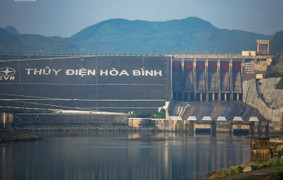
According to the Ministry of Industry and Trade, water levels in all multi-purpose hydropower reservoirs are above the dead water level, and some generating units that experienced short-term malfunctions have been reconnected to the national power grid.
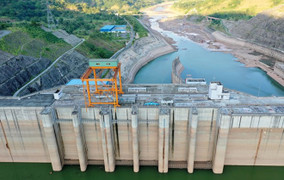
According to Center A0, on June 10th, the total electricity generated from hydropower was approximately 149 million kWh (59 million kWh in the North), while coal-fired thermal power generated 439 million kWh.

The Economic Committee had warned of electricity shortages even before the Covid-19 pandemic, and this situation could worsen with economic growth at 6-7%.

During the dry season, rising temperatures, increased demand for electricity in production, business, and consumption, and high load demand all contribute to the risk of electricity shortages.