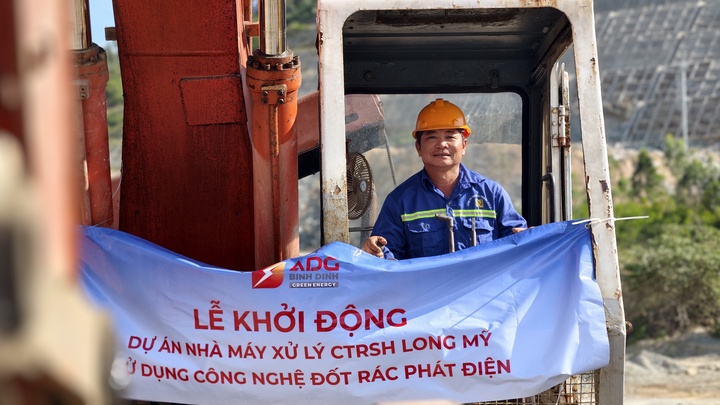
A waste-to-energy plant is being built in Quy Nhon, covering an area of approximately 10 hectares, with a processing capacity of 800 tons of waste per day and night and a power generation capacity of 15 MW.
During periods of high electricity demand, EVNNPC proactively implements a comprehensive set of solutions for operational management, investment in construction, business operations, and customer service.
After 10 years of implementation, the Vietnam Goods Week in Japan has become one of the proofs of AEON's efforts in jointly promoting the consumption of Vietnamese goods.
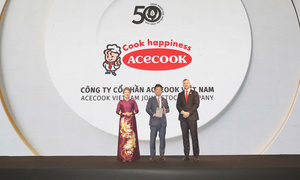
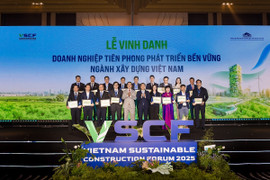
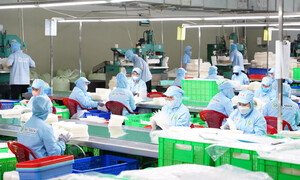
Acecook Vietnam continues to be honored in the Top 50 Outstanding Sustainable Businesses in Vietnam 2026 in category E – Pioneering in Waste Reduction.
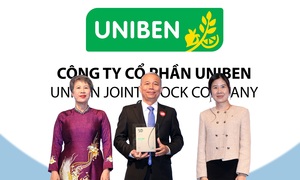
Uniben was honored in the "Excellent Corporate Governance" category, recognizing the company's efforts in its long-term sustainable development journey.
General Secretary and President To Lam outlined the development direction for the materials industry towards green, sustainable, self-reliant practices with international competitiveness.
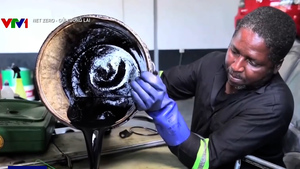
Numerous countries are recycling waste oil, creating a new life cycle for it. This is not only a multi-billion dollar strategy but also a sustainable development goal.
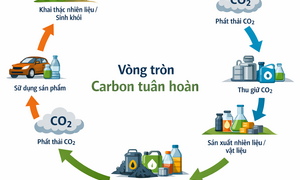
Cabot Group has successfully developed circular carbon production, accelerating the transition to a circular economy and reducing carbon emissions in Asia.
With an estimated urbanization rate of 44,3%, Vietnam faces the challenge of achieving sustainable development while ensuring environmental protection.
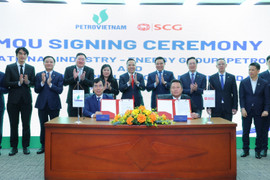
The signing of the Memorandum of Understanding (MOU) between the two parties aims to expand the framework of strategic cooperation, towards the sustainable development of the industrial-energy value chain.
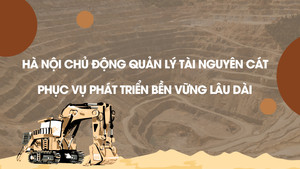
Faced with increasing demand for materials, Hanoi is proactively managing sand resources to ensure supply for key projects, protect the environment, and promote long-term sustainable development.
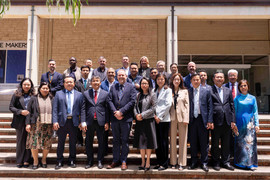
This is an opportunity for the two countries to promote substantive cooperation in the fields of green economy, renewable energy, sustainable agriculture, modern mining, and digital transformation.
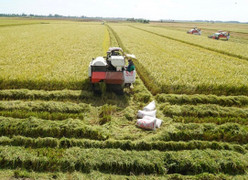
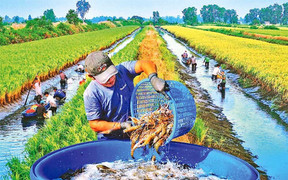
The project to cultivate 1 million hectares of high-quality, low-emission rice is creating a boost that is helping the Mekong Delta break through and enter the era of green production.
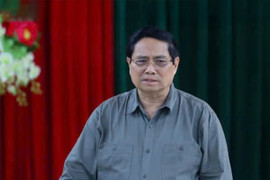
During his working visit to Thanh Hoa, this afternoon, November 9th, Prime Minister Pham Minh Chinh chaired a meeting with leaders of ministries and agencies, and key leaders of Thanh Hoa province.
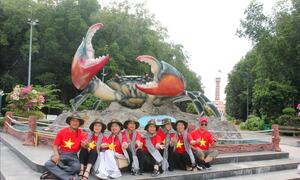
With its three sides bordered by the sea and a well-planned development strategy, Ca Mau is accelerating the completion of infrastructure, exploiting renewable energy, and elevating its fisheries sector in a sustainable direction.
Ca Mau aims to become a center for clean, high-tech agriculture in the Mekong Delta region, linked to digital transformation and sustainable development.
IFAD experts were impressed by the dynamism and resilience of Vietnamese farmers in adapting to and applying digital technology to agricultural development.
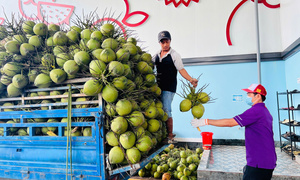
The price of fresh coconuts in the Mekong Delta has dropped by more than 50% compared to the same period last year, showing that without sustainable linkages, Vietnamese coconuts are easily subject to price drops even in their own market.
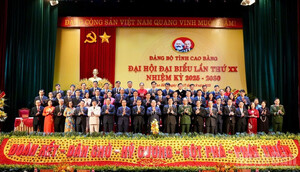
On the afternoon of September 17th, the 9th Congress of the Cao Bang Provincial Party Committee, for the 2025-2030 term, announced the results of the first session of the new Provincial Party Committee.
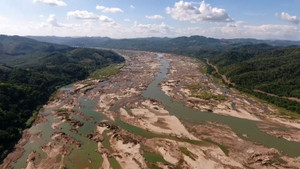
More than 60% of our surface water resources depend on sources outside our territory, leaving us vulnerable to climate change and its transboundary impacts.
The PCI "leverage" provides the foundation for Tay Ninh after the merger to break through, become a new growth pole, attract investment, and develop a sustainable economy.
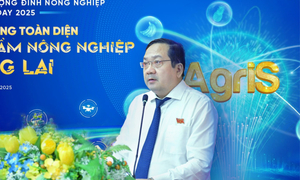
Tay Ninh organizes AgriS Agro Day 2025, connecting the "five stakeholders" to promote innovation and create a high-tech, green, and sustainable agricultural ecosystem.
According to Mr. Do Tien Sy, Member of the Central Committee of the Communist Party of Vietnam and Director General of the Voice of Vietnam, green science and technology are considered the "key" to helping businesses open the door to the "green era".





 Hotline: 0855.911.911
  RSS
RSS