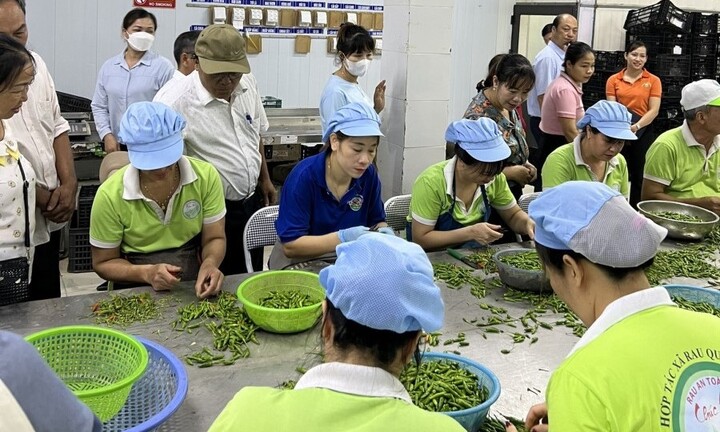
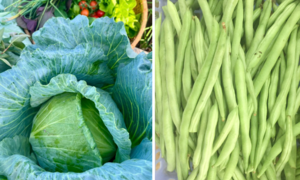
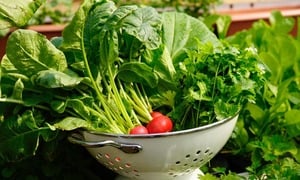
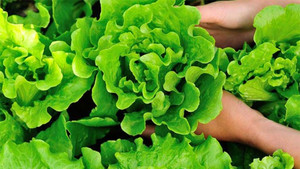
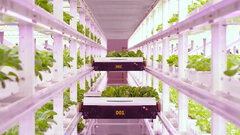
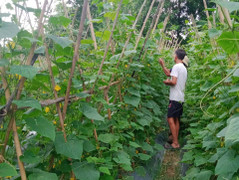
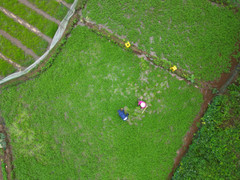
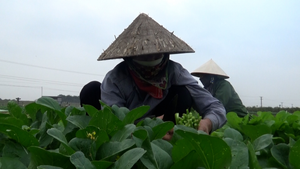
In the outskirts of Hanoi, where rural life is transforming day by day, the Chuc Son Clean Vegetable and Fruit Cooperative has quietly risen from humble green vegetable fields.
Residents are stunned by the inexplicable developments in Hanoi's vegetable market, as the price of a bag of cabbage unexpectedly increased from 160.000 to 270.000 VND in the vegetable-growing region.
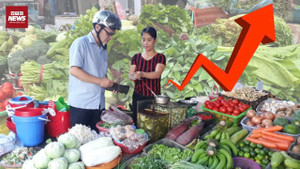
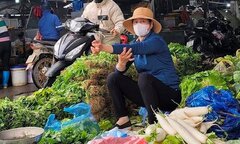
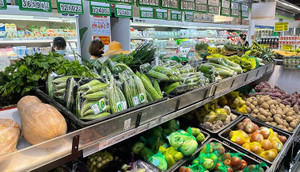
Following a prolonged period of heavy rain, on the morning of October 1st, vegetable prices at local markets across Hanoi surged sharply, surprising many consumers.
It's difficult to distinguish between clean and contaminated vegetables with the naked eye; however, you can reduce the risk by choosing vegetables with the lowest risk of chemical contamination.
Dr. Vu Thanh Hai asserted that identifying vegetables containing pesticides and growth stimulants through sensory perception is impossible; a vibrant green vegetable does not necessarily mean it is "toxic," and vice versa.
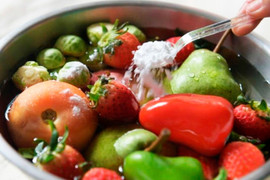
Dr. Vu Thanh Hai warns that believing advertisements for fruit and vegetable washes that claim to remove residual chemicals can lead to many dangerous consequences.
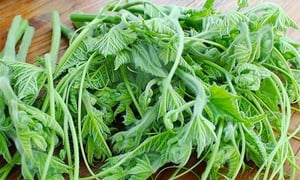
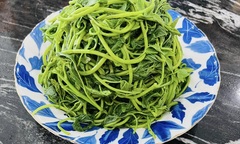
This vegetable is very popular and is used in both rice dishes and snacks. If prepared correctly and eaten regularly, it can improve eyesight and skin health.
Knowing which vegetables are commonly contaminated with parasites during the summer can help you be more careful in your selection and preparation, protecting your family's health.
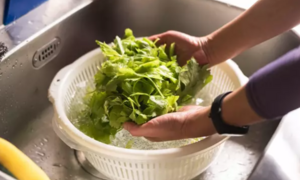
Washing vegetables before cooking soup is a common practice for many, and whether this action affects the quality of the dish is a question many people wonder about.
After doubling or tripling on the 2nd and 3rd days of Tet, this morning, February 13th (the 4th day of Tet), the prices of vegetables and food sold at some markets in Hanoi have decreased by 30-40%.
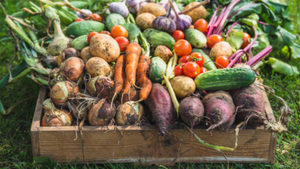
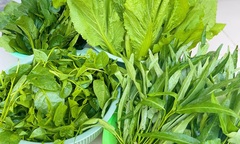
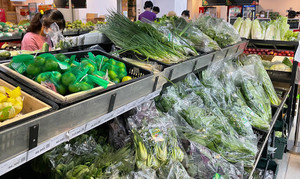
Knowing how to identify delicious, nutritious, and affordable vegetables that are less likely to be sprayed with pesticides will help you minimize the risk of buying unsafe produce when shopping at the market.
These cooperatives make the most of the unique characteristics of each locality, turning them into strengths to produce clean, high-quality vegetables.
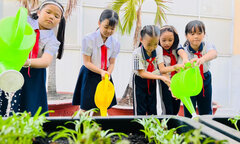
Besides serving the teaching and learning needs of students, the vegetables and fruits from the "Experiential Vegetable Garden" are also sold to raise funds for scholarships for underprivileged students.
Many housewives have a habit of chopping vegetables and fruits before washing them. Is this method right or wrong, and does it affect the quality of the food?
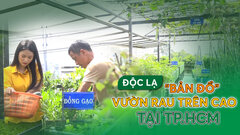
A stunning rooftop vegetable garden, complete with village and neighborhood name signs and characteristic Northern Vietnamese fields, sits right in the heart of Ho Chi Minh City.
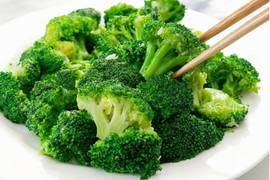
Boiling vegetables while preserving their green color not only enhances the visual appeal of the dish but also helps retain many of the nutrients present in the vegetables.
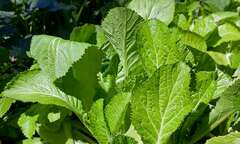
Locals call the vegetable grown in this thousand-year-old system of ancient wells "dead vegetable" because at the end of the harvest season, people usually cut it down to the root.
Regarding the information about substandard VietGAP vegetables entering supermarkets, Minister Le Minh Hoan said: "No one is innocent in this matter, and I am not innocent either."
Following reports of counterfeit VietGAP-certified vegetables being sold in numerous large supermarkets and stores, Nafiqad has requested relevant authorities to immediately investigate and verify this issue.
Farmers in Trang Viet commune (Me Linh district, Hanoi) are delighted as the prices of various vegetables and root crops range from 13.000 to 15.000 VND/kg, significantly higher than before.
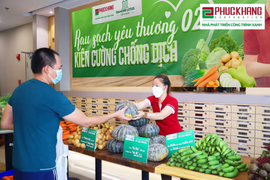
The leadership of Phuc Khang Corp is implementing the second phase of the "Clean Vegetables of Love - Resilient in the Fight Against the Pandemic" program, donating 20 tons of vegetables and fruits to residents and employees.
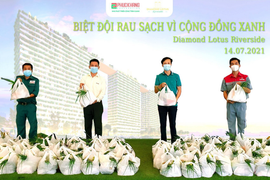
Phuc Khang Corporation launched the "Clean Vegetables of Love - Resilient in the Fight Against the Pandemic" program, donating over 10 tons of fresh vegetables to residents and employees of Diamond Lotus Riverside.
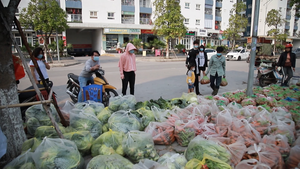
To help rescue agricultural products from farmers in Hai Duong, a group of volunteers set up a zero-price stall in Hanoi where people can buy whatever they want and pay whatever they feel is appropriate.
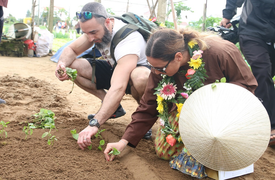
Besides immersing themselves in the ancient and tranquil atmosphere of hundreds of historical sites, visitors to Hoi An also enjoy transforming themselves into farmers in a 400-year-old organic vegetable village.





 Hotline: 0855.911.911
  RSS
RSS