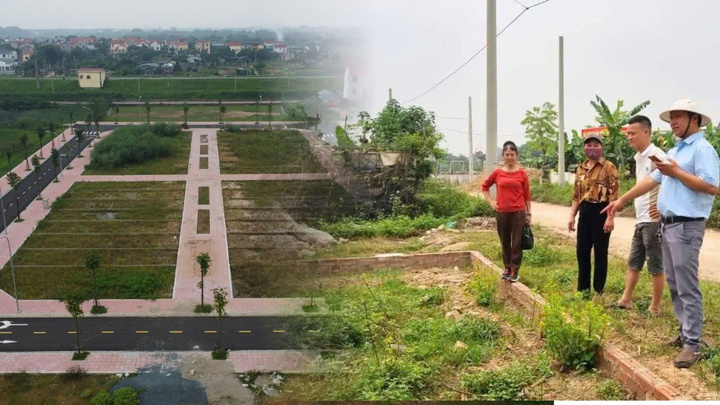
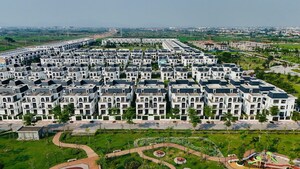
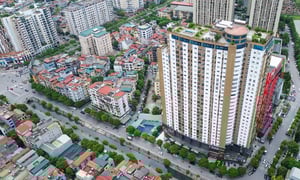
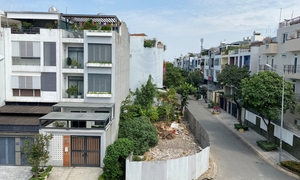
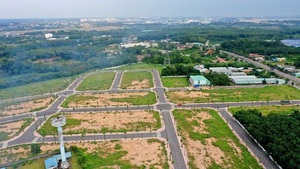
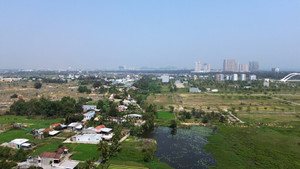
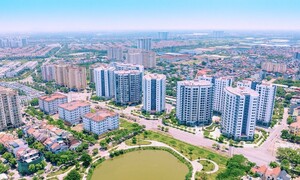
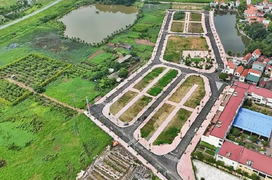
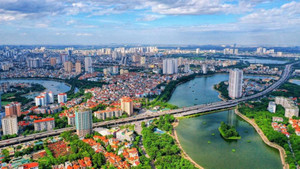
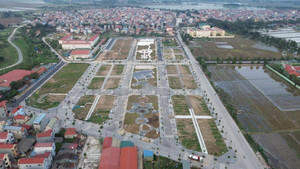
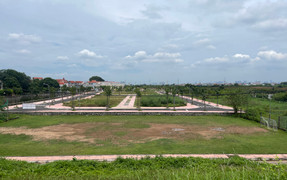
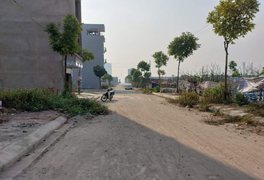
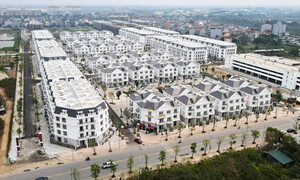
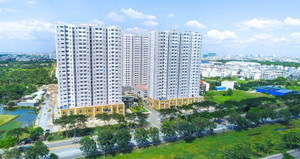
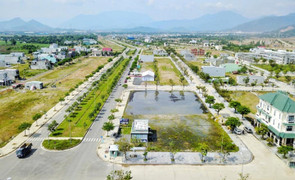
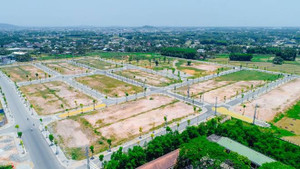
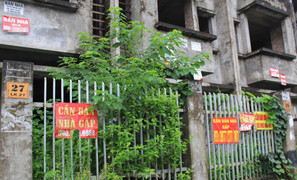
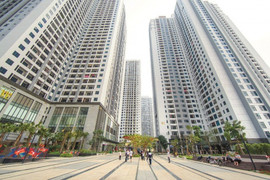
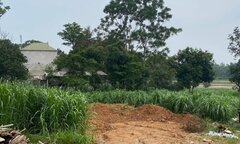
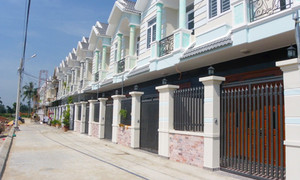
Supply and demand factors, infrastructure planning, and speculative sentiment are driving up land prices on the outskirts of Hanoi from late 2025, reaching 200 million VND/m² in some areas, surpassing the price of apartments in the inner city.
Following the news that VSIP Nghe An Company proposed surveying investment in an industrial park, hundreds of people have flocked to the countryside in recent days to search for and negotiate land purchases.
According to business representatives and experts, the rumored increase in real estate prices in the suburban areas of Ho Chi Minh City following the merger is just "empty talk".
The Trần Hưng Đạo bridge is scheduled to begin construction in May, a piece of information that has caused land prices in the surrounding area to skyrocket, and many investors have started accumulating properties.
According to VNDIRECT Securities' forecast, the merger of provinces may lead to short-term speculation in the real estate market due to FOMO (fear of missing out), but only in the short term.
Land prices in many areas of Hanoi range from 40-60 million VND/m2, with some locations near major urban areas exceeding 70 million VND/m2, and experts are offering investment suggestions.
Not only in provinces and cities where mergers have been announced, but also in many suburban areas of Hanoi, land prices have recently tended to rise, attracting many investors.
As soon as proposals for merging provinces and cities were put forward, land prices in many areas skyrocketed, and brokers took clients to view land throughout the night.
The allure of multi-billion dollar infrastructure projects, coupled with the effect of being upgraded to a district, is causing land prices in Dong Anh district (Hanoi) to surge, attracting a large influx of investors.
"To address the issue of forfeited deposits and profiteering in the real estate market, the deposit amount should be increased in each round, forcing bidders to think twice before forfeiting their deposit."
According to delegate Pham Van Hoa (Dong Thap delegation), the "skyrocketing" prices of land and houses are mainly due to speculation, renting, and reselling.
Many brokers say that in recent days, land plots have been experiencing a surge in both price and transaction activity, attracting significant investor interest.
Ho Chi Minh City's real estate market is notoriously expensive, but customers can still buy apartments for under 1 billion VND in Ho Chi Minh City if they are willing to search for suitable projects.
People buy agricultural land, rice paddies, ponds, and prime land near markets, hoping that one day soon, the bridge will be built and the industrial park will break ground.
Recently, plots of land and houses affected by zoning plans have suddenly become sought after by many people for various purposes, posing numerous risks to buyers.
From poverty to becoming a billionaire after selling land, a few years later Mr. Kien (Chong village, Yen Bai commune, Ba Vi district, Hanoi) had to leave home to seek work and pay off his debts.
The real estate market has slowed down, forcing many people who are "holding onto losing assets" to find ways to offload their properties quickly. However, is the "selling at a loss" tactic really reliable?
Upon hearing that a client had finalized the purchase of the lawn for 2,5 billion VND, Trung, the real estate agent, was astonished, considering it the most ridiculous deal during the land speculation boom.
Having invested nearly ten billion VND in three subdivided houses, Mr. Le Quoc Nam (Hoang Mai, Hanoi) is now facing disappointment because the houses are built but he can't sell them.





 Hotline: 0855.911.911
  RSS
RSS