



 Hotline: 0855.911.911
  RSS
RSS 


When did food stamps begin in the United States?
The U.S. food stamp program originated during the Great Depression and was designed to support American farmers and businesses.





The U.S. food stamp program originated during the Great Depression and was designed to support American farmers and businesses.

The economic downturn has forced young people in China to cut back on spending, abandon their habit of buying luxury brands, and opt for counterfeit goods.
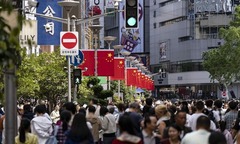
The latest policies may not be enough to boost investor confidence and put the Chinese economy back on the path to recovery.
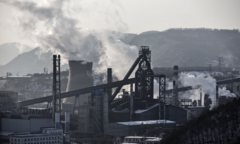
Northeast China was once the country's leading industrialized region, but it gradually lost its growth momentum after the 1990s.

The Ho Chi Minh City Statistics Department has just released a report on the socio-economic situation for the first eight months of 2024, with many noteworthy figures.

The Chinese economy grew much slower than expected in the second quarter, amid weak consumer spending and a prolonged real estate downturn.

According to the U.S. National Center for Health Statistics (NCHS), the number of births in the country decreased from 3.667.758 in 2022 to 3.591.328 in 2023.

Chinese investors who borrowed money from banks to buy real estate abroad are struggling to hold onto their assets as global interest rates rise and the domestic economy slows down.

Challenges continue to plague China's middle class as they look back on 2023 and into 2024 – the second year of anticipated economic recovery after the pandemic.

Conflict in the Red Sea has once again placed Europe at the forefront of geopolitical tensions.

To meet employment demands, young Chinese people tried to pursue master's degrees, but then the economic downturn turned everything upside down.

The incident of a man deliberately destroying his own seafood restaurant has left Chinese netizens feeling disheartened, highlighting the immense pressure businesses face due to the economic downturn.
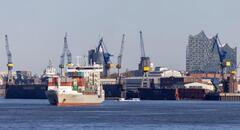
Germany, Europe's number one economy, has entered a technical recession as its gross domestic product recorded consecutive declines in the fourth quarter of 2022 and the first quarter of 2023.

According to newly released data, the US economy grew by only 1,1% in the first three months of the year, lower than the previously projected 2%.
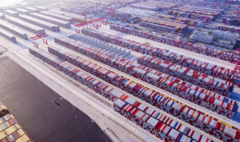
Empty containers are piling up at major ports around the world as global trade slows, leading to a drop in shipping demand.

The conflict in Ukraine, tensions between the West and China, economic recession, and climate change will be the issues with the greatest impact on the world in 2023.
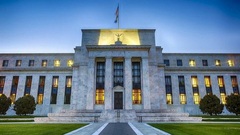
The US Federal Reserve (FED) raised its benchmark interest rate to its highest level in 15 years on December 14, indicating that the fight against inflation is far from over.

As the world faced a series of challenges in 2022, the global economic outlook remains highly uncertain in 2023.
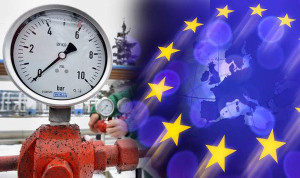
Europe is struggling to find a solution to its energy problem, and the question now is what the energy crisis on the continent will look like in 2023?

Speaking to the British people after becoming prime minister, Rishi Sunak pledged to address the “mistakes” made under his predecessor Liz Truss.

With mounting difficulties, Europeans in many countries are struggling to make ends meet.

The EU has sought to fill its gas storage facilities ahead of the deadline and above the set targets, although some members of the bloc argue that this is not enough.
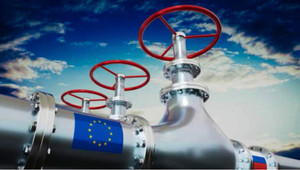
Conflicts and energy crises in Europe are causing EU countries to face the threat of an impending recession; however, the bloc's nightmare will only begin when winter arrives.
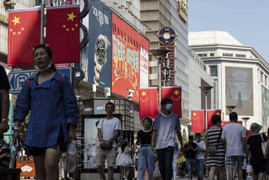
Numerous challenges facing the economy have forced China to announce a new 19-point plan and acknowledge that "the foundation for economic recovery is still not solid."

For the first time in 20 years, the exchange rate between the euro and the US dollar has reached parity.

Economists say Europe is facing the risk of recession due to rising oil and gas prices amid fears that Russia could completely cut off supplies.

Inflation coupled with recession – an economic phenomenon not seen since the 1970s – is what the West may face as a consequence of the wave of sanctions against Russia.
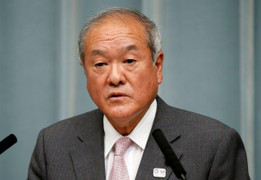
Japanese Finance Minister Shunichi Suzuki said that the depreciation of the yen could cause significant difficulties for the country's economy.
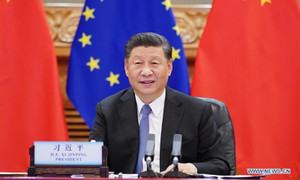
Chinese President Xi Jinping called on the EU to work with Beijing to help bring peace to Eastern Europe and prevent a prolonged economic downturn.

The wounds from the 2008 crisis are beginning to fade, but the turmoil of more than a decade ago has permanently altered the American economy and financial system.