



 Hotline: 0855.911.911
  RSS
RSS 


Jordan intercepted 20 missiles launched from Iran.
Jordan claims to have intercepted and destroyed 20 missiles launched from Iran, after Tehran claimed to be targeting US bases in the region.





Jordan claims to have intercepted and destroyed 20 missiles launched from Iran, after Tehran claimed to be targeting US bases in the region.
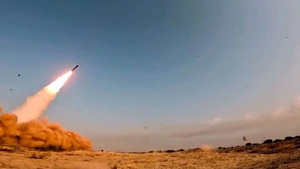
On the morning of June 11, the Iranian Aerospace Forces and Navy announced that they had struck 18 facilities at bases housing US troops in the Middle East.
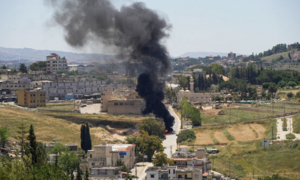
Bahrain announced that it successfully intercepted and destroyed three missiles and several drones launched from Iran.
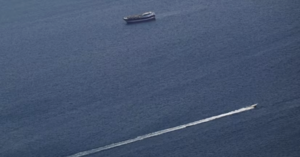
The US military conducted a "self-defense strike" targeting Iranian missile launch sites and vessels around the Strait of Hormuz.
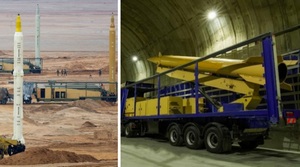
US intelligence acknowledges that Iran has rapidly restored much of its missile capability, despite months of intense airstrikes.
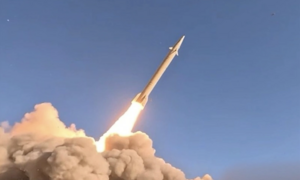
A classified assessment provided by U.S. intelligence indicates that Iran has regained access to most of its missile launch sites, launch pads, and underground facilities.
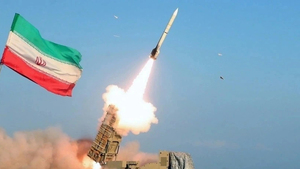
US intelligence believes Iran still retains about 70% of its missile stockpile despite numerous airstrikes from the US and Israel, contradicting tough statements from President Trump.
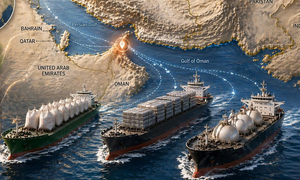
The US deployed 15.000 troops and a range of military equipment in Operation Freedom of Navigation in the Strait of Hormuz, but this move raised the risk of confrontation with Iran.
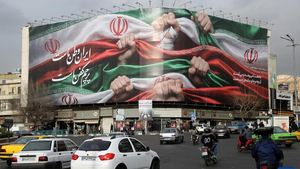
As sanctions and airstrikes rocked its energy infrastructure, Iran did not collapse, triggering a harsh mechanism.

Two core issues—the nuclear program and maritime security in the Strait of Hormuz—have stalled US-Iran negotiations.
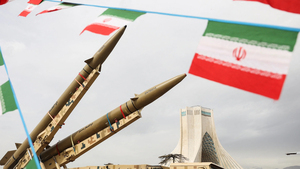
Iran is reportedly racing against time to restore missile launchers and missiles buried in "underground cities".
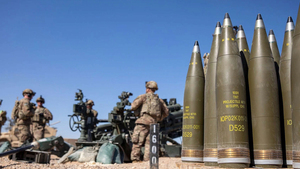
The Israeli Ministry of Defense stated that the US used two large transport ships and numerous cargo planes to deliver 6.500 tons of ammunition and equipment to Israel within just 24 hours.
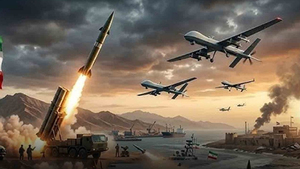
Iran's inexpensive yet powerful UAVs constitute a sophisticated tactic, enabling it to penetrate the modern air defenses of the US and Israel.

Leading energy expert Daniel Yergin warns that everything from aluminum production to fertilizer manufacturing is at risk of disruption due to the blockade in the Strait of Hormuz.
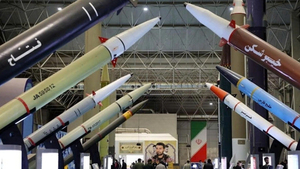
Iran's Ministry of Defense stated that the majority of its missile stockpile remains undeployed and that more than 1.000 types of weapons systems are being manufactured domestically.
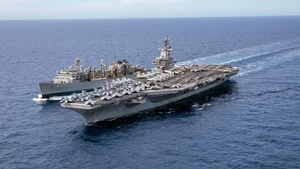
Three US carrier strike groups and dozens of destroyers have been assembling, preparing for a potential escalation scenario with Iran.
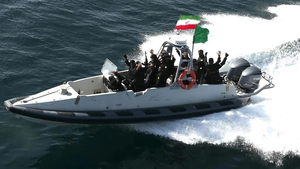
Iranian armed speedboats, dubbed the "mosquito fleet" due to their small size and high maneuverability, pose a threat to the US Navy and cargo ships in the Strait of Hormuz.
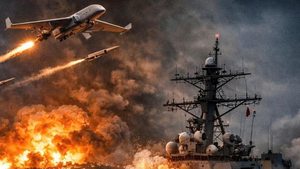
Iran deployed a series of drones to attack US warships following the seizure of the cargo ship Touska.
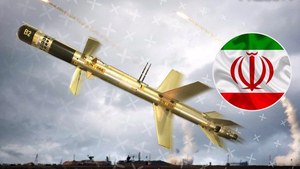
Since the conflict with the US and Israel broke out, Iran has remained effective with its "large scale, low cost" strategy, using inexpensive missiles to counter million-dollar drones.
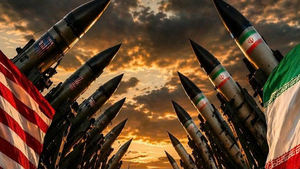
After more than five weeks of fighting between the US and Iran, many new weapons have emerged, including a series of missiles that have never been fired in combat before.
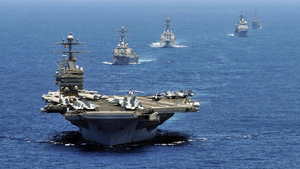
The U.S. Central Command (CENTCOM) deployed 5.000 troops to conduct a naval blockade of ships entering and leaving Iranian ports.
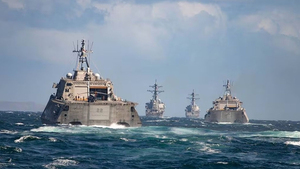
The US deployed 15 warships near the Strait of Hormuz to enforce the blockade, prompting Iran to activate a state of alert and warn of consequences.
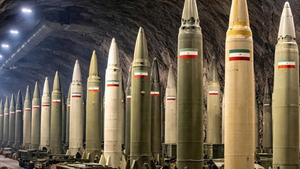
Despite enduring thousands of airstrikes from the US and Israel, Iran still possesses thousands of ballistic missiles in its arsenal and has the capability to restore launch platforms.
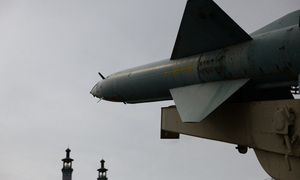
Not only were the numbers wrong, Washington also miscalculated the range by as much as 50%, and no one anticipated the emergence of underground cities.
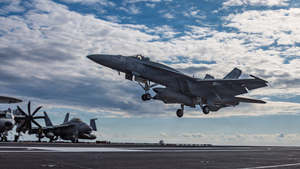
A former Pentagon official estimates that the U.S. spends an average of $500 million per day maintaining combat operations and countering Iranian drones.
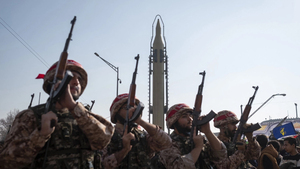
Amidst the relentless airstrikes lasting five weeks, Iran remained unwavering, confidently asserting its dominance and believing it would prevail against the US and Israel.
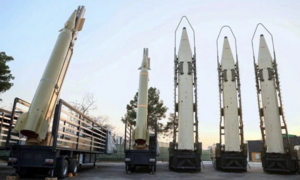
On the 37th day of the conflict, Iranian ballistic missiles penetrated Israel's advanced multi-layered defense system, the top tier of the Iron Dome, leaving four people missing.
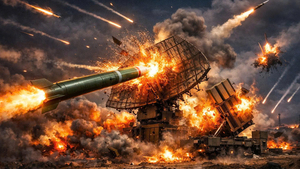
The Global Insight Journal published a video showing the moment an Iranian missile simultaneously bypassed 12 Israeli interceptor missiles, plunging straight towards its target.
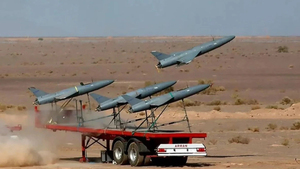
The AN/TPY-2 "all-seeing eye," E-3 Sentry aircraft, and a host of other billion-dollar US assets could not withstand the barrage of missiles and cheap UAVs from Iran.
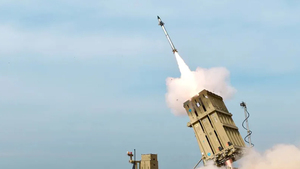
Israel's David's Sling medium-range missile defense system is dubbed a "magic wand" for countering medium-range ballistic missiles, cruise missiles, and large UAVs.