


 Hotline: 0855.911.911
  RSS
RSS 

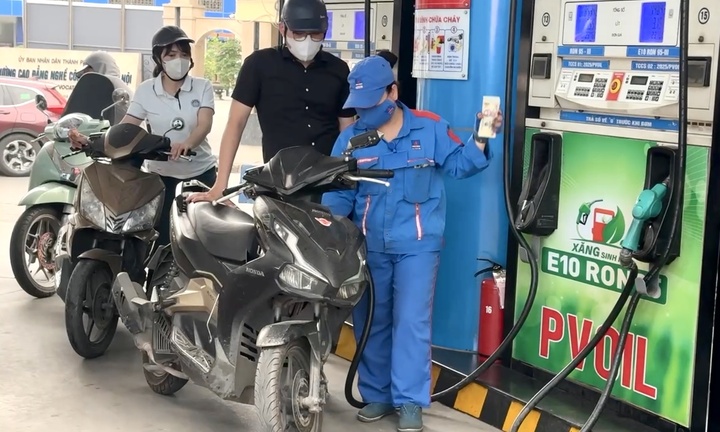
E10 gasoline is compatible with over 90% of vehicles, requiring no engine modifications.
While over 90% of vehicles today can use E10 gasoline, many users are still concerned about the compatibility of older car models.





While over 90% of vehicles today can use E10 gasoline, many users are still concerned about the compatibility of older car models.
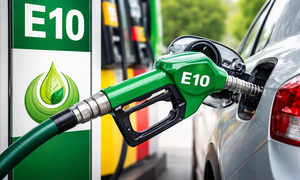
The proposal to introduce E10 gasoline early has raised concerns among many about potential damage to vehicle components due to Ethanol's hygroscopic and cleaning properties.

The Vietnamese automotive market experienced a sluggish August with a sharp drop in sales, partly due to superstitious beliefs against making purchases during the seventh lunar month (known as the "month of wandering spirits").
The Vietnamese automotive market in February 2024 witnessed a sharp decline in overall car sales. Below are the 10 least-selling models, with some models selling only a single unit.
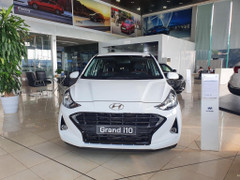
In January 2023, the budget car segment under 500 million VND saw low sales, with both Hyundai Grand i10 and KIA Morning experiencing a "shocking" drop compared to the same period last year.
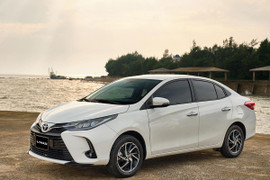
The Toyota Vios remains a highly influential name in Vietnam, having reclaimed its number one position at every level, from its segment to the entire market, in 2022.
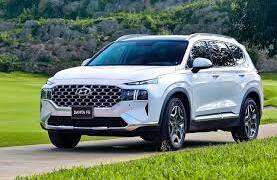
In the Top 10 best-selling car models in July, Hyundai contributed 3 products: Santa Fe, Hyundai Creta, and Hyundai Tucson, while Toyota and KIA each contributed 2 products.
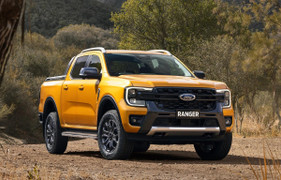
Contrary to expert predictions, the Vietnamese car market saw sales of 30.254 units in July, a 20% increase compared to the previous month.
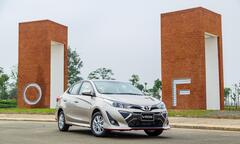
In May 2022, the top 10 best-selling car models saw significant changes. Notably, the Toyota Vios reclaimed the top spot with 3.887 units sold.
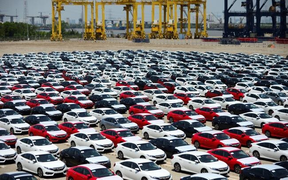
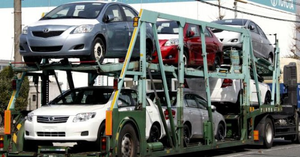
Despite the challenges posed by the pandemic, imported cars have continued to experience strong growth in both quantity and value since the beginning of the year.
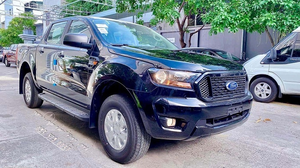
The sales rankings for the pickup truck segment in January 2020 still show Ford Ranger holding the absolute top spot.
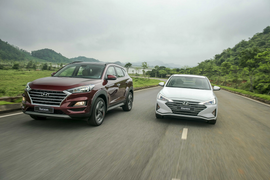
Demand for cars plummeted in January 2021, with total market sales reaching 26.432 vehicles, a 45% decrease compared to December 2020.
Tháng 11, doanh số bán hàng của toàn ngành ô tô tiếp tục tăng trưởng nhờ các chính sách khuyến mãi kích cầu thị trường.
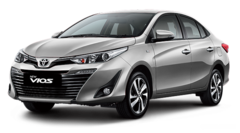
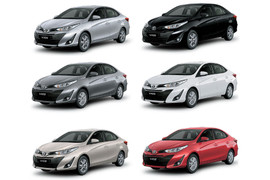
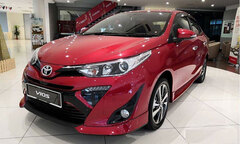
In April 2020, the Toyota Vios continued to be the best-selling car in the Vietnamese market with sales of 1.106 units.
Tính đến hết tháng 11 năm 2019, toàn thị trường Việt Nam bán được 359.930 ô tô các loại.
Trong tháng 10/2019, có 28.948 ô tô được bán ra ở thị trường Việt Nam, tăng 4,3% so với tháng trước.
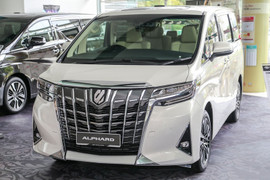
In September 2019, the Toyota Alphard, Ford Focus, Isuzu D-Max, Toyota Land Cruiser, and Nissan Sunny were the least popular car models in the Vietnamese market.
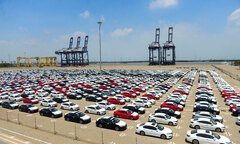
In September 2019, the entire Vietnamese market consumed 27.767 cars of all types, an increase of 29% compared to August.

Tháng 8/2019, doanh số ôtô toàn thị trường Việt Nam giảm tới 19% so với tháng trước.
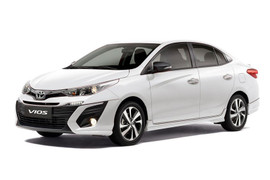
The Vietnam Automobile Manufacturers Association (VAMA) has just announced the sales figures for the entire market in July 2019.
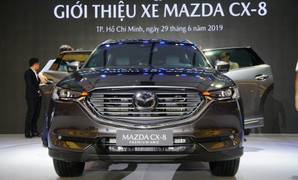
According to VAMA data, products from Thaco (Truong Hai Automobile Joint Stock Company) are the most popular in the Vietnamese market, and Thaco holds the highest market share (31,4%) in the first six months of 2019.
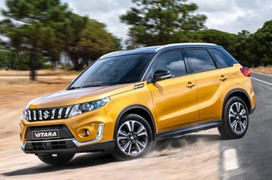
In February 2019, four car models – Suzuki Vitara, Ertiga, Honda Accord, and Toyota Land Cruiser – did not sell a single unit.

In September 2018, most car manufacturers experienced strong growth; however, two luxury car brands, Mercedes-Benz and Lexus, continued to see significant sales declines.

Triển lãm Ô tô Việt Nam 2018 sẽ chính thức diễn ra từ ngày 24/10/2018 đến hết ngày 28/10/2018 tại Trung tâm Hội chợ và Triển lãm Sài Gòn (SECC), Quận 7, TP. Hồ Chí Minh với sự góp mặt của 15 thương hiệu ô tô là các thành viên của VAMA và VIVA.
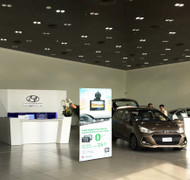
So với cùng kỳ năm ngoái, số lượng xe ô tô ở phân khúc hạng C được bán ra đã tăng khá mạnh trong năm nay, phần nào đó nhờ vào sự hỗ trợ từ các gói cho vay trả góp của các ngân hàng.
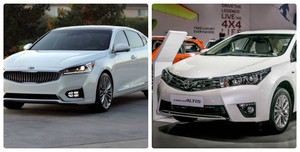
The rivalry between these two neighboring countries, Asia's two largest automotive industries, is far from over. The car brands from both countries have their own strengths and weaknesses and target distinct customer segments.
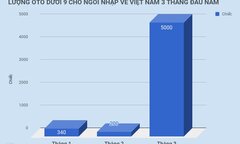
In March, the number of cars with fewer than nine seats imported into Vietnam surged; however, VAMA believes that car manufacturers are still facing difficulties and is requesting further simplification of procedures.
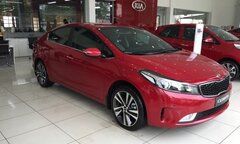
The Vietnamese automotive market continued its downward trend in November 2017, with sales of Honda, Nissan, and KIA vehicles experiencing sharp declines due to anticipation of price reductions.

The Vietnamese automotive market showed signs of decline in the last months of 2017. The anticipation of tax reductions at the beginning of 2018 still prevailed, however, some car models remained at the bottom of the sales charts due to low sales figures.

Overall, the Vietnamese market showed signs of decline in the last months of the year, with the prevailing sentiment of waiting for tax reductions at the beginning of 2018. However, some car models still achieved very impressive sales figures.