

 Hotline: 0855.911.911
  RSS
RSS 





Lawmakers are concerned that TikTok poses a security threat to American users because China requires its companies to share all data related to national security with the government.
Therefore, a bill requiring TikTok's parent company, the Chinese tech giant ByteDance, to divest from the popular US video service, or risk TikTok being completely shut down in the US, has been passed by the House of Representatives.
To move forward, the bill will have to pass the Senate next, where it faces a more difficult path. If passed, the bill will land on President Joe Biden's desk. He recently stated he would sign the draft into law.
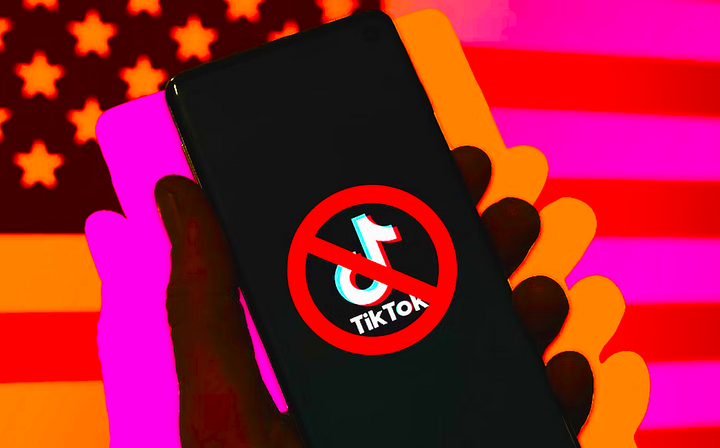
The future of TikTok in the US is no longer clear. (Photo: Caterina Cox)
If this happens, ByteDance will have six months to divest its ownership stake in TikTok's US business, or face a ban on the TikTok app in the country.
So what could happen next? And who would benefit from a divestment or a complete ban on TikTok? Here are some of the biggest questions surrounding the future of this popular short-form video app should the bill become law.
Did ByteDance really sell TikTok?
A demand for ByteDance to sell its extremely valuable (and thriving) TikTok business would face significant opposition. ByteDance does not want to sell TikTok and will do everything in its power to avoid such a scenario, including fighting this in US courts.
The Chinese government would also need to approve any divestment plan, and has publicly stated that it would oppose forced divestment. It's also possible that US lawmakers could be appeased with something other than a complete sale; perhaps TikTok would become a separate entity headquartered in the US, but ByteDance would remain the investor.
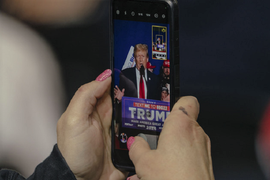
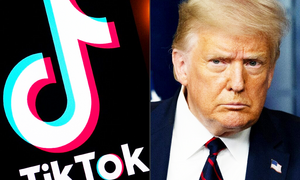
Adding to the complexity is the fact that former President Donald Trump, who has just secured the Republican nomination to face Biden in the upcoming November presidential election, has declared his opposition to the mergers, reversing a position he had taken while in office. Trump's opposition could be crucial if he wins the election before the mergers are completed.
Who will buy TikTok?
Anyone buying TikTok would need a very large sum of money. ByteDance, the company that owns TikTok, has an estimated valuation of around $268 billion, and the value of TikTok's US business operations would certainly be much smaller, but it could still fetch a price of around $40 billion to $50 billion. For comparison, Elon Musk paid $44 billion for X, the social media platform formerly known as Twitter, in 2022.
Meta and Alphabet might seem like logical acquisition companies, but they are mired in legal concerns about monopolies, which would essentially rule out the possibility of them pursuing such deals.
Oracle Corp is often considered a potential destination, as the enterprise software company has been a partner of TikTok in the US. Oracle Corp holds US user data for the TikTok app and there was reportedly a bid for Oracle Corp in 2020, when President Trump tried to force a sale.
However, Oracle's debt of over $87 billion, including debt from another major acquisition in 2022, makes it difficult for the company to acquire TikTok on its own.
Microsoft was another leading contender to acquire TikTok's US business in 2020, but that deal ultimately fell through.
Can TikTok survive without the US market?
It's possible. On its website, TikTok boasts that it's the number one downloaded app in over 40 different countries. While the US has a huge audience – over 170 million monthly users – that's still only a fraction of TikTok's total user base of over 1 billion. ByteDance operates a TikTok clone in China, called Douyin, with hundreds of millions of followers.
However, as other platforms have learned, the US is the most valuable market for social media, as there are many large advertisers willing to pay to reach American audiences. Therefore, leaving the US market would put the rest of TikTok's global market at serious risk.
The ban could also kill TikTok's ambitious plans to expand its TikTok Shop in the US, combining online entertainment with shopping.
Who benefits?
The most obvious answer here is Meta, the company that owns Instagram, an app that has become incredibly popular and has a product feature that competes with TikTok: Reels. If TikTok is banned, Reels would be the most obvious alternative for American users. Other video-focused services could also benefit, including YouTube, which is owned by Alphabet.
 Comment