


 Hotline: 0855.911.911
  RSS
RSS 





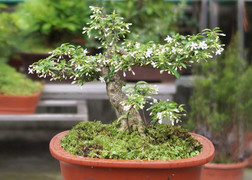
The lucky bamboo plant belongs to the Bignoniaceae family, with the scientific name Radermachera sinica. It originates from Southern Europe and Western Asia and was recently introduced to Vietnam. The lucky bamboo is a woody plant with lush foliage and clusters of flowers growing close together on the trunk.
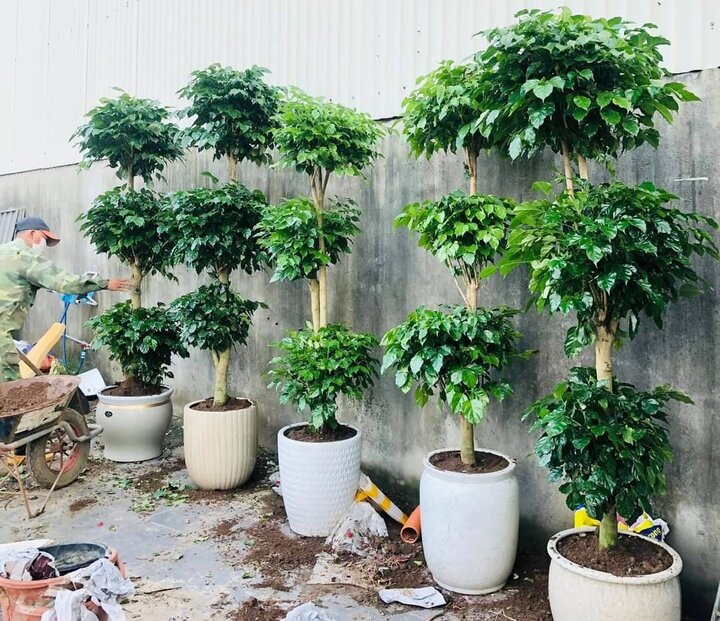
A three-tiered "happiness tree." (Photo: BL)
Lucky bamboo plants come in many different styles, each with its own beauty and strengths. These include styles such as: tabletop plants, aquatic plants, and bonsai placed on desks, reception counters, shelves, windowsills, etc.
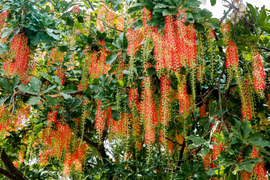
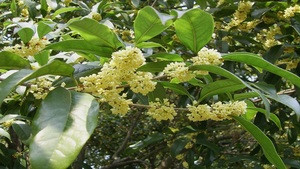
Lucky bamboo plants come in single-stemmed, two-tiered, and three-tiered varieties, often placed in living rooms, offices, etc. Larger plants are typically placed in grand halls or lobbies. Lucky bamboo flowers are white or pale yellow, and its fruit is red or pink.
As their name suggests, the "happiness tree" symbolizes connection in relationships, unity, harmony, and maintaining peace among family members. All the stories surrounding this tree reflect the meaning of understanding, empathy between people, and the strengthening of good relationships.
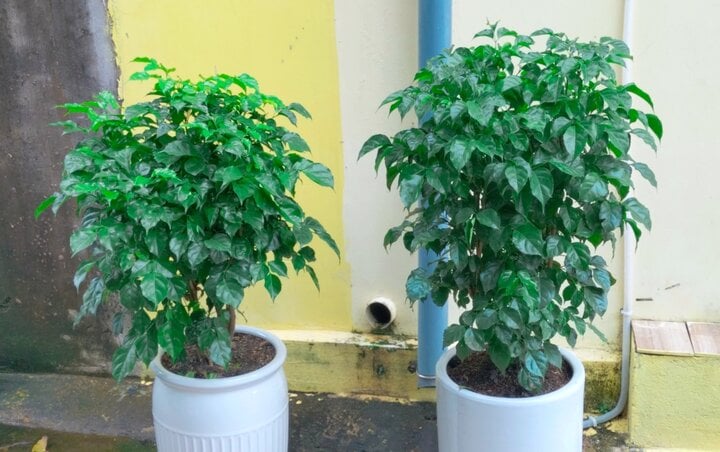
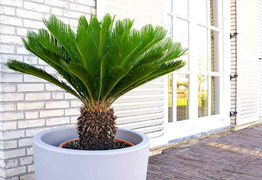
The lucky tree has very good feng shui significance. (Photo: TH)
According to feng shui, a lucky bamboo plant grown indoors brings prosperity, warmth, and abundance to the homeowner. The lucky bamboo plant has uniformity and perfection from root to tip.
The lush green foliage represents people's unwavering faith and hope in life, guiding them towards a brighter and better future.
The colors of the flowers and fruits of this plant also symbolize aspirations and represent passionate love.
Moreover, the lucky tree, with its large size and lush foliage, symbolizes unwavering willpower and determination to overcome life's hardships. In addition, its abundant branches and closely clustered flowers represent a happy, united, and harmonious family.
* This information is for reference only.
 Comment