


 Hotline: 0855.911.911
  RSS
RSS 





Mr. Starmer had faced increasing pressure over the past few weeks to resign. His decision to step down came after a political rival within his own Labour Party – former Manchester Mayor Andy Burnham – publicly stated he would challenge for the leadership position.
Previously, Mr. Starmer had stated that he would continue in his position. However, his position is becoming increasingly difficult to maintain as more and more MPs and Labour Party members believe that the time for a leadership transition has arrived.
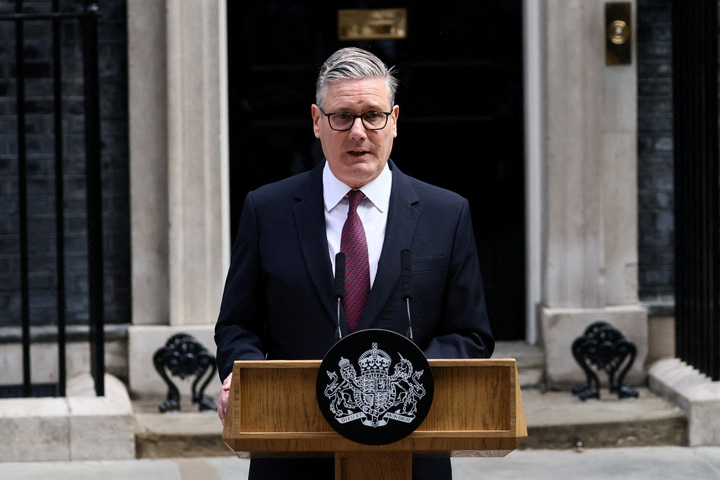
British Prime Minister Keir Starmer announced his resignation. (Photo: Reuters)
The process accelerated after Mr. Burnham left his mayoral position and won a parliamentary seat in his home constituency in last week's election – a necessary step given that British prime ministers have traditionally been chosen from among incumbent members of the House of Commons.
Starmer's departure marks the end of a tumultuous term, coming less than two years after the Labour Party won a landslide victory in the general election and returned to power. The move also comes less than two months after voters expressed dissatisfaction with his handling of the country in a series of local elections.
Speaking outside his official office and residence at 10 Downing Street, London, Mr. Starmer highlighted the achievements of his time in power before declaring: “The question my party is asking right now is whether I am still the right person to lead us into the next election. I have heard the answer… and accept it with respect. Every decision I make is aimed at putting the national interest first.”
He then declared: "I will resign as leader of the Labour Party." Towards the end of his speech, Mr. Starmer's voice choked up as he spoke of his children – whom he called the "greatest pride and joy" of his life.

 Comment