


 Hotline: 0855.911.911
  RSS
RSS 





In the era of e-commerce and booming marketing campaigns, owning a kitchen brimming with modern appliances is often seen as a symbol of a convenient lifestyle. From a behavioral psychology perspective, when deciding to buy a kitchen... household itemsWe often buy into the illusion of perfect meals and a healthier lifestyle rather than realistically assessing how often we use the device.
As a result, after a few exciting experiences, many expensive appliances are relegated to the back of the kitchen cupboard, becoming dusty burdens. Based on consumer surveys and physical function analysis, here are 7 kitchen appliances that are purchased most frequently but used least often.
Glass oven
Once a star in Vietnamese kitchens, glass ovens are now almost "extinct" in everyday cooking habits. In terms of design, this appliance has a fatal mechanical drawback: the lid, containing the halogen lamp and cooling fan, is very heavy and bulky. Each time food needs to be turned, users have to find a heat-resistant surface to place the scorching hot lid on, posing a very high risk of burns.
Furthermore, glass ovens are heavy and slippery when washed with soap. The advent of air fryers with convenient drawers, lightweight design, and easy cleaning has completely eliminated the functionality of glass ovens, turning them into a space-consuming obstacle.
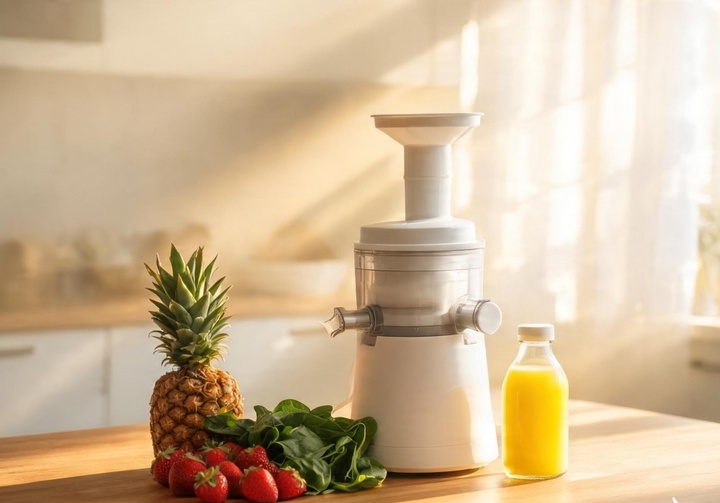
Many people buy slow juicers but rarely use them. (Photo: IG)
Slow juicer
Many people decide to invest millions of dong in a slow juicer hoping to pursue a detox diet. However, the harsh reality always lies in hygiene.
A slow juicer is made up of many complex parts: the juicing shaft, the micro-filter, the pulp chute, the lid... The disassembly process requires meticulous attention, and scrubbing the metal filter covered in fruit pulp is a real "nightmare".
When most users realize that it takes them 10 minutes to squeeze a glass of juice but 20 minutes to clean the machine, they give up. Instead, eating fresh fruit directly to fully absorb the fiber, or buying ready-made juice, becomes a more practical and scientifically sound choice.
Automatic bread maker
The prospect of waking up to the aroma of freshly baked bread in your home is a marketing ploy that perfectly captures consumer psychology. However, the operation of a bread maker reveals several drawbacks.
Firstly, a complete kneading, proofing, and baking cycle typically takes 3 to 4 hours. Secondly, bread made using an automatic machine often has a denser texture, and the crust lacks the perfect crispness of bread baked in a dedicated oven. The bulkiness of the equipment and the cost of ingredients can sometimes be more expensive than buying a fresh, hot loaf of bread from a local artisan bakery in just 5 minutes.
Fresh noodle/vermicelli making machine
Similar to bread makers, noodle/vermicelli makers tap into concerns about contaminated food. But from an efficiency standpoint, this is a failed investment for busy families.
To make a batch of noodles, you have to precisely measure the ratio of flour to water. If it's wrong, the flour will get stuck in the screw shaft. Cleaning this equipment requires extreme patience, as you have to use small toothpicks to carefully remove the sticky, gooey dough from the noodle-making molds. Most users only use the machine once or twice before quickly returning to commercially packaged dried noodles, which are cheaper and more convenient.
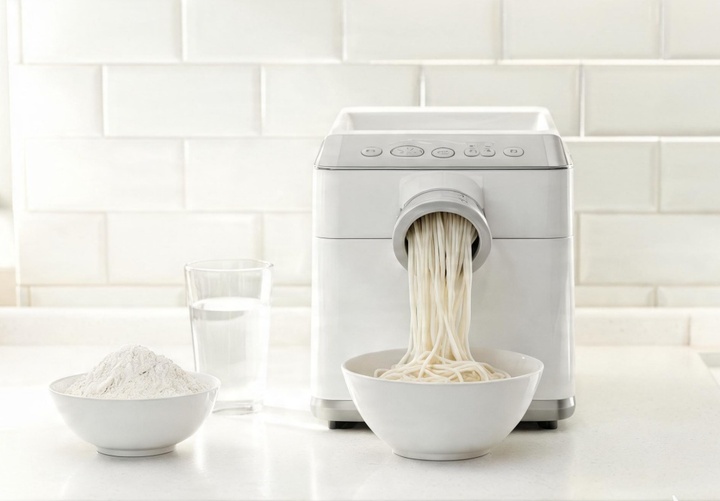
Noodle-making machines, which produced fresh rice noodles, also created a trend before falling into oblivion. (Photo: DMN)
Black garlic maker
Black garlic has been proven to be a superfood with many health benefits, leading to a craze for buying black garlic makers for home use. However, the operating principle of these machines has caused many inconveniences.
The process of fermenting black garlic requires the machine to be plugged in and running continuously for 12 to 15 days. This not only consumes a lot of electricity but also poses a risk of short circuits and fires if the household power supply is unstable. More seriously, throughout the fermentation process, the machine will continuously emit a strong, pungent smell of fermented garlic, clinging to clothes and furniture, seriously affecting the living space if your kitchen is not well-ventilated.
Soft serve ice cream machine
Ice cream makers are a popular summer purchase, much to the delight of children. However, they have limitations in terms of portability and time constraints.
With common home ice cream makers that don't have an automatic cooling system, you have to place the cooling element in the freezer 24 hours in advance. The ice cream mixture also needs to be prepared in a complex way. Furthermore, this is a highly seasonal appliance. Once summer is over, this bulky machine will sit idle in the kitchen cupboard for the remaining 9 months of the year.
Large tabletop stand mixer
Countertop stand mixers are a symbol of luxurious Western kitchens. However, unless you're a professional baker or bake at least twice a week, they represent a huge waste of space.
Weighing between 5 and 10 kg, you wouldn't want to move it in and out of the cupboard. Placing a huge appliance permanently on a countertop would take up valuable kitchen space. In reality, for basic needs like whisking eggs and mixing cookie dough, a compact handheld electric mixer costing a few hundred thousand dong is perfectly adequate.
To avoid falling into shopping traps, financial and interior design experts advise consumers to apply the cost-per-use formula. An appliance costing 2 million VND but used daily, like a rice cooker, is incredibly cheap, but an appliance costing 1 million VND that is only used a few times in a lifetime, like a noodle maker, is far too expensive.
Before spending any money kitchen utensils Now, ask yourself these three questions: "Will I use it weekly? Is it easy to wash? Where will I store it?". Establishing this mental filter will help you protect your wallet and keep your kitchen tidy and organized.




 Comment