


 Hotline: 0855.911.911
  RSS
RSS 





Ginger is a healthy and familiar food for many people. Many people have a habit of drinking ginger tea, but not everyone can drink this type of tea. So, who shouldn't drink ginger tea?
Who shouldn't drink ginger tea?
Gastric and duodenal ulcers
Ginger has a high heat content and can strongly affect the stomach lining. If you have an irritated or inflamed stomach lining or ulcers, ginger will further irritate it and cause serious damage.
Liver disease
People with liver diseases such as acute, chronic, cirrhosis, and hepatitis should absolutely not eat ginger. Ginger stimulates the secretory activities of liver cells and, over time, can cause necrosis.
Gallstone disease
The spicy and warming properties of ginger can cause gallstones to become lodged in the gallbladder. Medications to dissolve or expel the stones will no longer be effective if you regularly eat or drink ginger tea.
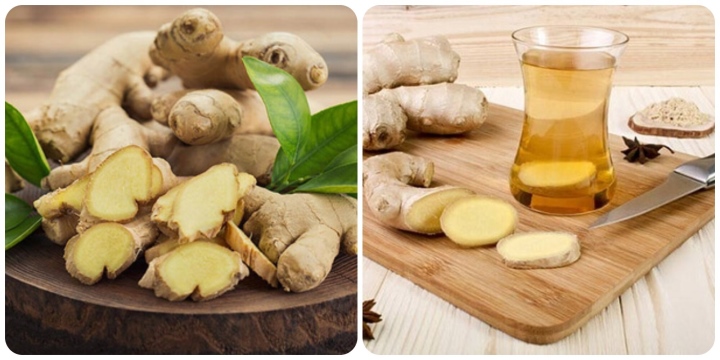
Who shouldn't drink ginger tea?
People who are prone to bleeding
In many cases, the warming properties of ginger can rupture weakened blood vessels in the human body. People with a history of nosebleeds or internal bleeding are advised to avoid eating ginger, as it can cause bleeding that is difficult to control.
History of high blood pressure, heart disease
For people with low blood pressure, ginger water is a good drink to improve hypoglycemia. However, people with high blood pressure should absolutely not drink ginger water for any reason, especially when their blood pressure is high. Ginger water can cause arteries to rupture, leading to stroke.
Similarly, for people with high body temperature, especially when experiencing a fever, ginger water should not be consumed immediately but only after the fever has subsided. It's important to note that when suffering from heatstroke, patients should absolutely not drink ginger water because the warming properties of ginger can cause a sudden increase in body temperature, potentially leading to death.
Second half of pregnancy
Ginger is an ingredient many pregnant women use to treat morning sickness, but eating too much can easily cause birth defects and other problems for the fetus.
Many studies show that consuming large amounts of ginger during pregnancy can significantly affect the baby's sex hormones, potentially leading to miscarriage.
In the latter half of pregnancy, pregnant women should consider carefully before using ginger because its warming properties can increase blood pressure, which is not good for the baby. During breastfeeding, mothers should be cautious with ginger because it can be excreted into breast milk and cause insomnia in infants.
Furthermore, ginger should absolutely not be used in cases of colds with fever or sunstroke. People with a hot and dry constitution, those with yin deficiency and excessive heat, internal heat, or those suffering from boils, gastritis, hepatitis, high blood pressure, or advanced cardiovascular disease should also use it cautiously and only under a doctor's supervision. The doctor will determine the dosage and whether it is necessary before use. Additionally, pregnant women, those experiencing vomiting blood, or those with bloody stools should avoid excessive use. Some studies confirm that consuming large amounts of ginger can cause uterine contractions, potentially leading to uterine bleeding during pregnancy.
On cold days, soaking your feet in ginger water or drinking a glass of ginger water can help relieve the cold. However, people should avoid overconsumption of ginger water. Those with diabetes, heart disease, stomach ulcers, inflammatory bowel disease, or who are pregnant should consult a doctor before drinking ginger water and use only the amount recommended by their doctor. Many studies indicate that drinking more than 5 glasses a day can lead to headaches, vomiting, diarrhea, heartburn, rapid heartbeat, and insomnia.
People undergoing surgery and requiring anesthesia should especially avoid ginger tea, as it can interact with anesthetics and lead to unfortunate consequences. Similarly, if you are taking other medications such as blood thinners, anti-inflammatory drugs, or immunosuppressants, drinking ginger tea may be harmful.
You shouldn't eat ginger in the evening.
Experts advise against peeling ginger because its peel also has many medicinal uses. Although spoiled or sprouted ginger may still be spicy, processing it can produce sulfur compounds, toxins that damage the liver. When consumed, this type of ginger is absorbed very little by the stomach and intestines.
Furthermore, one should not consume too much ginger in the evening because the yin energy is stronger at night, and consuming ginger will go against the physiological balance of yin and yang in the body, which is not good for health.
The above information answers the question "Who shouldn't drink ginger tea?". If you belong to any of the groups mentioned, please avoid ginger tea.

 Comment